
Blackheads
Blackheads can be stubborn and tend to return, however carefully you look after your skin. Here is what they are, why they form and how the clinic approaches them.
Quick answer
Blackheads are small, dark spots that form when a pore becomes blocked with oil and dead skin cells and its opening stays exposed to the air. They are very common, especially on the nose, chin and forehead. At Naomi Waite Aesthetics in Lancaster, professional facials and DermaQuest peels are the main options, chosen after a consultation.
What are blackheads?
Blackheads are a type of blocked pore, sometimes called open comedones. They form when oil and dead skin cells collect in a pore. Because the top of the pore stays open, the material inside is exposed to the air and darkens, which gives blackheads their colour. Despite a common belief, that dark colour is not dirt.
They usually appear on the nose, chin and forehead, often called the T-zone, where skin tends to be oilier, but they can also show up on the cheeks, chest and back. Blackheads are a very common concern at every age and can affect any skin type, although people with oily or combination skin often notice them most.
Blackheads are a form of congestion and are closely related to acne. On their own they are not usually painful or inflamed, but squeezing them can damage the skin and lead to redness, spots or marks.
What causes blackheads?
Every pore contains a hair follicle and an oil gland. When the skin produces more oil than usual, or dead skin cells are not shed evenly, the two can mix and plug the pore.
Blackheads tend to return because oil production is ongoing. The aim of treatment is to clear and refine the skin, and then to help keep it that way with a suitable home routine and occasional maintenance. Several factors can make blackheads more likely:
- Naturally oily or combination skin
- Hormonal changes, for example during puberty or around periods
- A build-up of dead skin cells on the surface
- Heavy or pore-blocking skincare and make-up
- Genetics, as oiliness and pore size can run in families
- Squeezing or picking, which can irritate the skin and make congestion worse
Related treatments
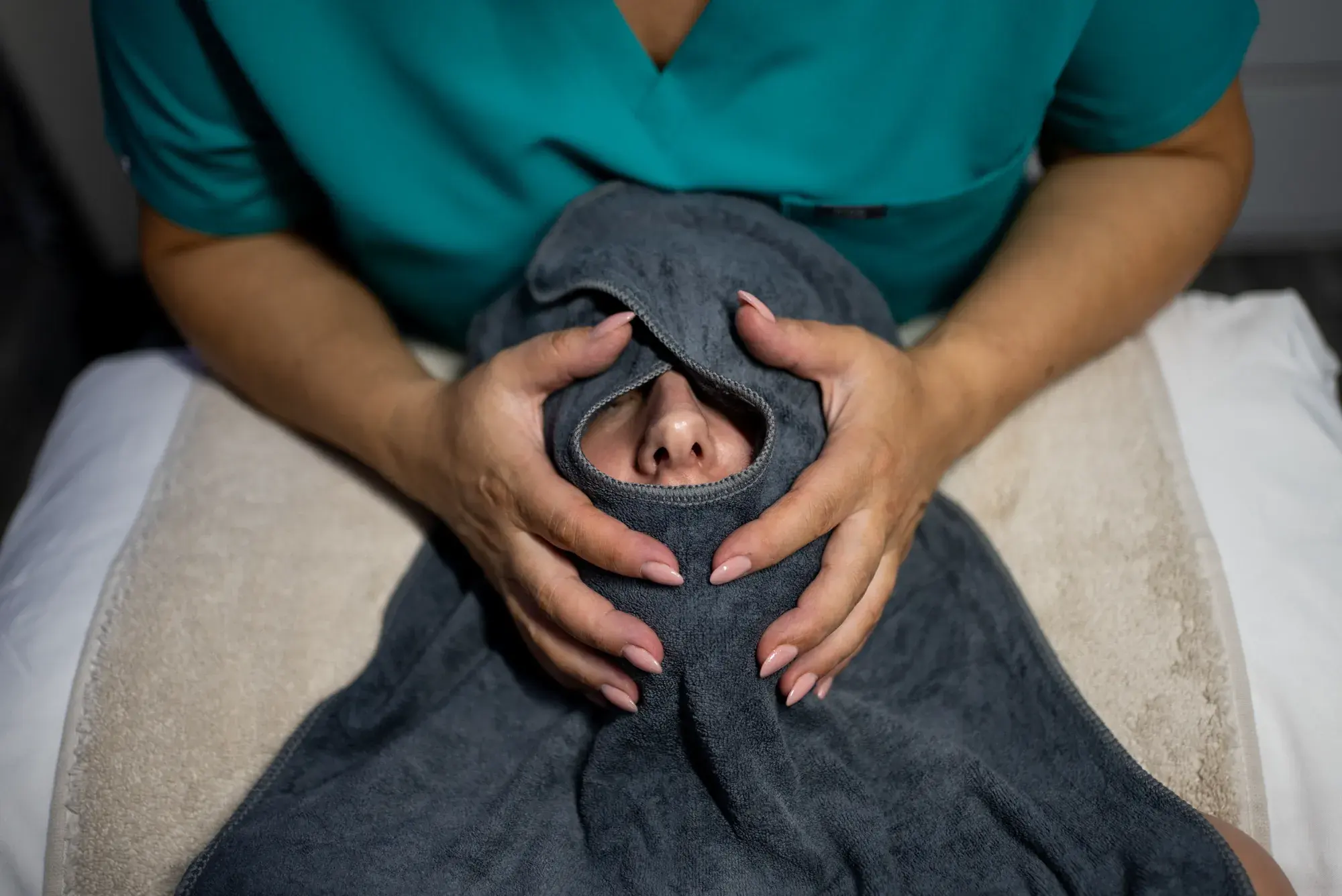 HydrofacialA Hydrofacial is a hydro-dermabrasion facial that uses fluid-based steps to cleanse, exfoliate, extract and hydrate the skin. At Naomi Waite Aesthetics in Lancaster it is used for congestion, blackheads, dehydration, dull skin and visible pores, and as a maintenance facial, with each treatment selected according to your skin's needs.Find out more
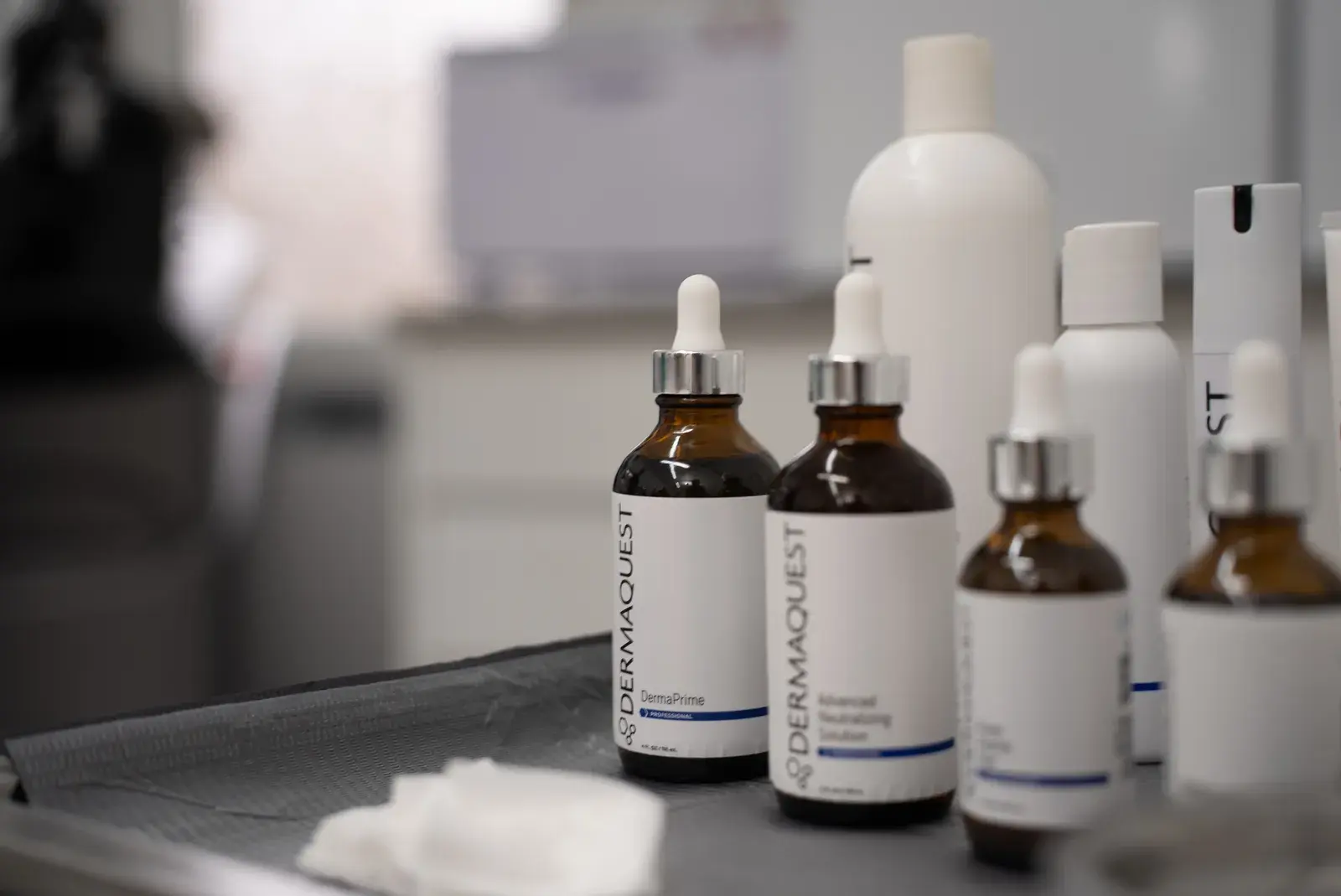 DermaQuest Active FacialsDermaQuest Active Facials are professional facial treatments that use targeted DermaQuest skincare formulations, selected for your skin concern. At Naomi Waite Aesthetics in Lancaster they are used for concerns such as ageing, pigmentation, congestion, sensitivity, dehydration and dullness. They are different from a Hydrofacial and are not automatically a chemical peel.Find out more
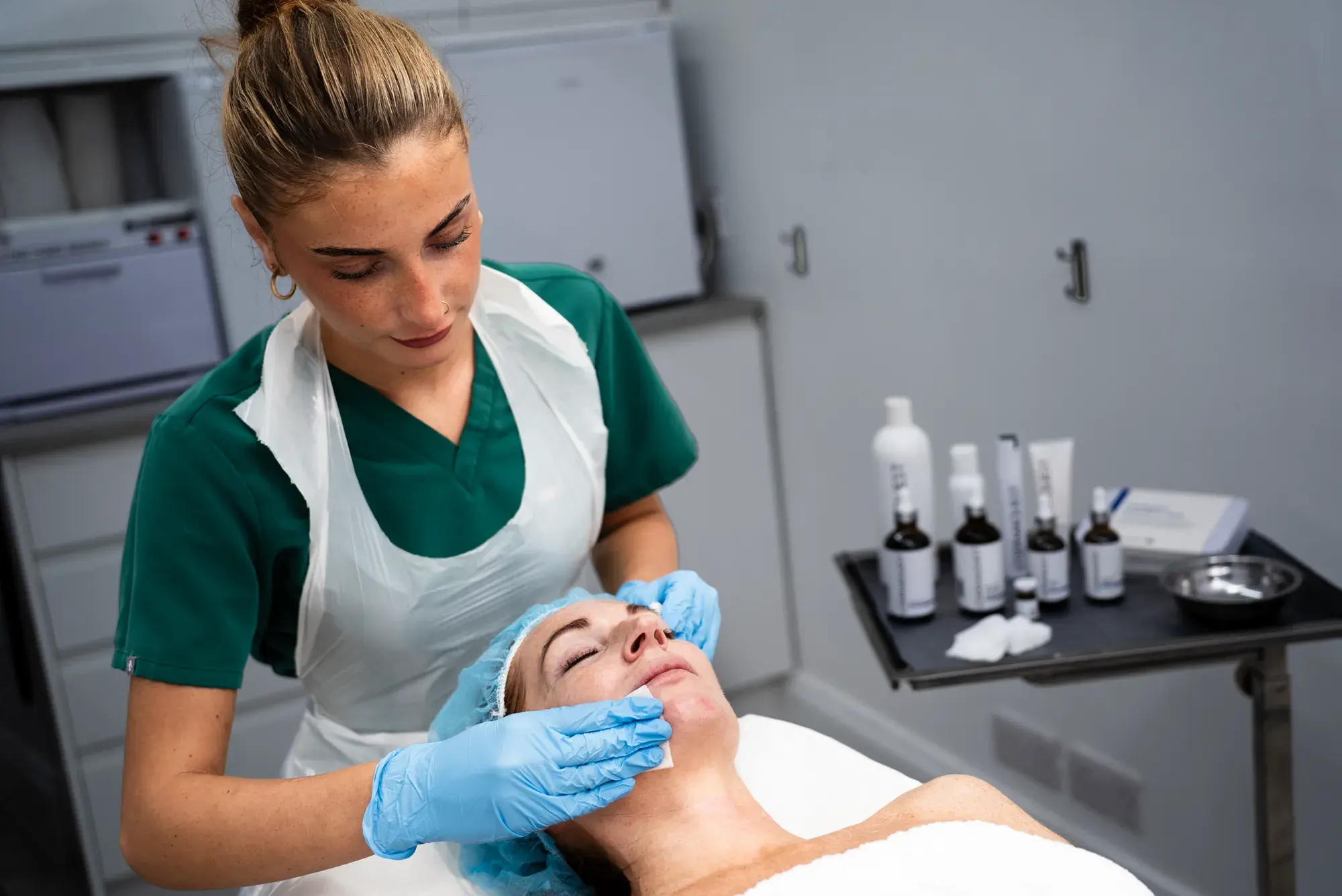 DermaQuest PeelsA chemical peel is a professional treatment that uses controlled topical acids or resurfacing formulations to speed up exfoliation and skin renewal. At Naomi Waite Aesthetics in Lancaster, DermaQuest peels and resurfacers are used for pigmentation, sun damage, congestion, post-acne marks, texture, fine lines, enlarged pores and dullness, at a level chosen for your skin.Find out more
How three options for blackheads differ
| Feature | Hydrofacial | DermaQuest Active Facials | DermaQuest Peels |
|---|---|---|---|
| What it is | Hydro-dermabrasion (aqua-peel) facial | Targeted professional active facial | Professional chemical exfoliation and resurfacing |
| Role for blackheads | Fluid-based steps cleanse, exfoliate and extract congested pores | DermaQuest formulations selected to target congestion | Speeds up exfoliation to help with congestion and enlarged pores |
| Often used as | A regular maintenance facial | A targeted treatment for your skin concern | A corrective treatment, at a level chosen for your skin |
Frequently asked questions
Blackheads form when oil and dead skin cells block a pore and the open surface darkens on contact with the air. Oily skin, hormones, a build-up of dead skin and heavy skincare or make-up can all make them more likely.
There is no single best option for everyone. A Hydrofacial, DermaQuest Active Facials and DermaQuest peels each help in a different way, and some people benefit from combining them over time. Your practitioner will recommend a route after looking at your skin at consultation.
It depends on how congested your skin is and which treatment you choose, so a fixed number cannot be given in advance. Because blackheads tend to return, many people plan regular maintenance treatments. Your practitioner will suggest a plan that suits your skin.
Facial treatments for blackheads are generally comfortable, although extractions can feel a little uncomfortable and a peel may tingle. Your practitioner will explain what to expect and check on your comfort throughout.
Downtime depends on the treatment and your skin. Many facial treatments let you carry on with your day, while a stronger peel may need more care afterwards. Your practitioner will give you clear aftercare advice for your treatment.
Yes. Your skin keeps producing oil, so blackheads can form again over time. A suitable home routine and occasional maintenance treatments can help keep pores looking clearer, and your practitioner can advise on both.
Blackheads can affect any skin type, and treatments are chosen and adjusted to suit your skin. Your practitioner will check your skin, medical history and current products at consultation before recommending anything.
The cost depends on the treatment you choose and whether you have a single session or a course. Current prices are listed on the clinic's prices page, and your practitioner will confirm the cost of your personalised plan for blackheads at consultation.
Book Your Free Consultation
Tell us your goals. We'll tell you exactly what's possible and build a plan to get you there.