

Sun Damage
Years of sunshine often show up on the skin long after the holidays are over. This guide explains what sun damage looks like, why it happens and how we help you choose a way to improve it.
Quick answer
Sun damage, also called photodamage, is the visible change that ultraviolet light causes to the skin over time, such as brown spots, uneven tone, fine lines, rough texture and redness. At Naomi Waite Aesthetics in Lancaster, several treatments can help improve its appearance, chosen after a consultation and skin assessment.
What is sun damage?
Sun damage, also known as photodamage or photoageing, is the cumulative effect of ultraviolet (UV) light on the skin. Unlike sunburn, which appears within hours, most of these changes build up gradually over many years and often become noticeable from middle age onwards. Even a tan is a sign that the skin is responding to UV exposure by producing extra pigment to protect itself.
It tends to show on the areas that see the most sun: the face, neck, chest, forearms and the backs of the hands. Many people notice several signs at once, which is why sun damage is usually a mix of pigment, texture and tone concerns rather than a single problem. The chest and hands are often left out of daily skincare and sun protection, which is why they can show sun damage particularly clearly.
Some changes on sun-exposed skin need a medical opinion rather than cosmetic treatment. If you notice a mole or spot that is new, changing, bleeding or not healing, please see your GP before booking any treatment.
- Brown spots, sun spots and freckles
- Uneven or blotchy skin tone
- Fine lines and wrinkles
- Rough or dull-looking texture
- Redness and small visible blood vessels
- Loss of firmness and elasticity
What causes sun damage?
UV light reaches the skin all year round, including on cloudy days in the UK. UVB rays are mainly responsible for burning, while UVA rays reach deeper into the skin and contribute to ageing changes. Over time, UV exposure can trigger extra melanin production and break down the collagen and elastin that keep skin firm and smooth.
How much damage appears depends on how much sun your skin has had over your lifetime and how well it was protected. Sunbeds add to the effect, and fairer skin types tend to show signs sooner, although sun damage can affect every skin tone. The effects add up, so everyday exposure while walking, gardening or driving counts as well as holidays abroad.
Your practitioner will look at which signs are most prominent for you, whether pigment, redness, texture or lines, as that shapes which treatment route is most appropriate. Your skin will keep responding to UV light after treatment too, so daily sun protection is part of every plan.
- Years of everyday sun exposure, not just holidays
- Sunburn, particularly repeated episodes
- Sunbed use
- Outdoor work or hobbies
- Fair skin that burns easily
- Irregular use of sun protection
Related treatments
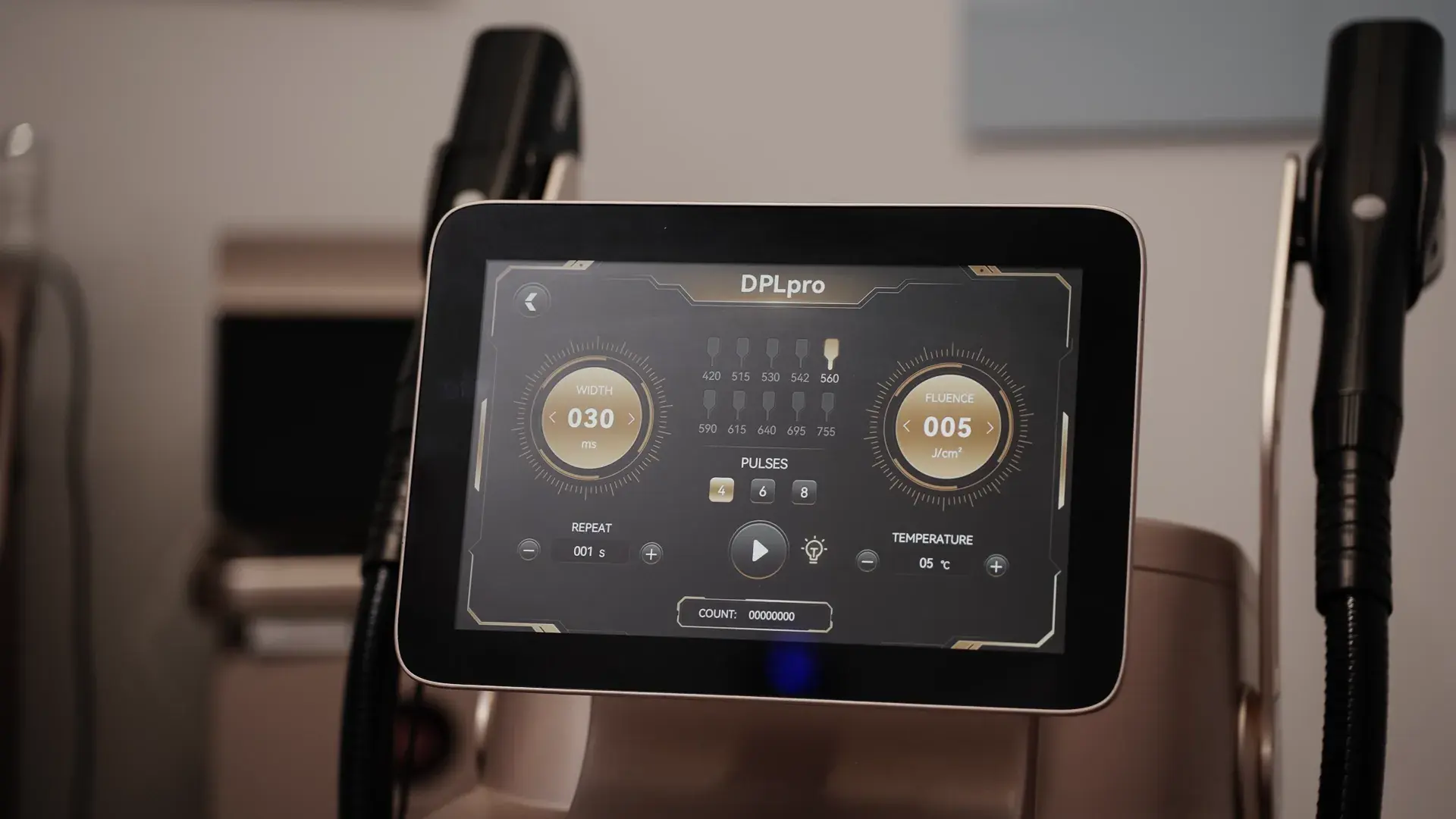
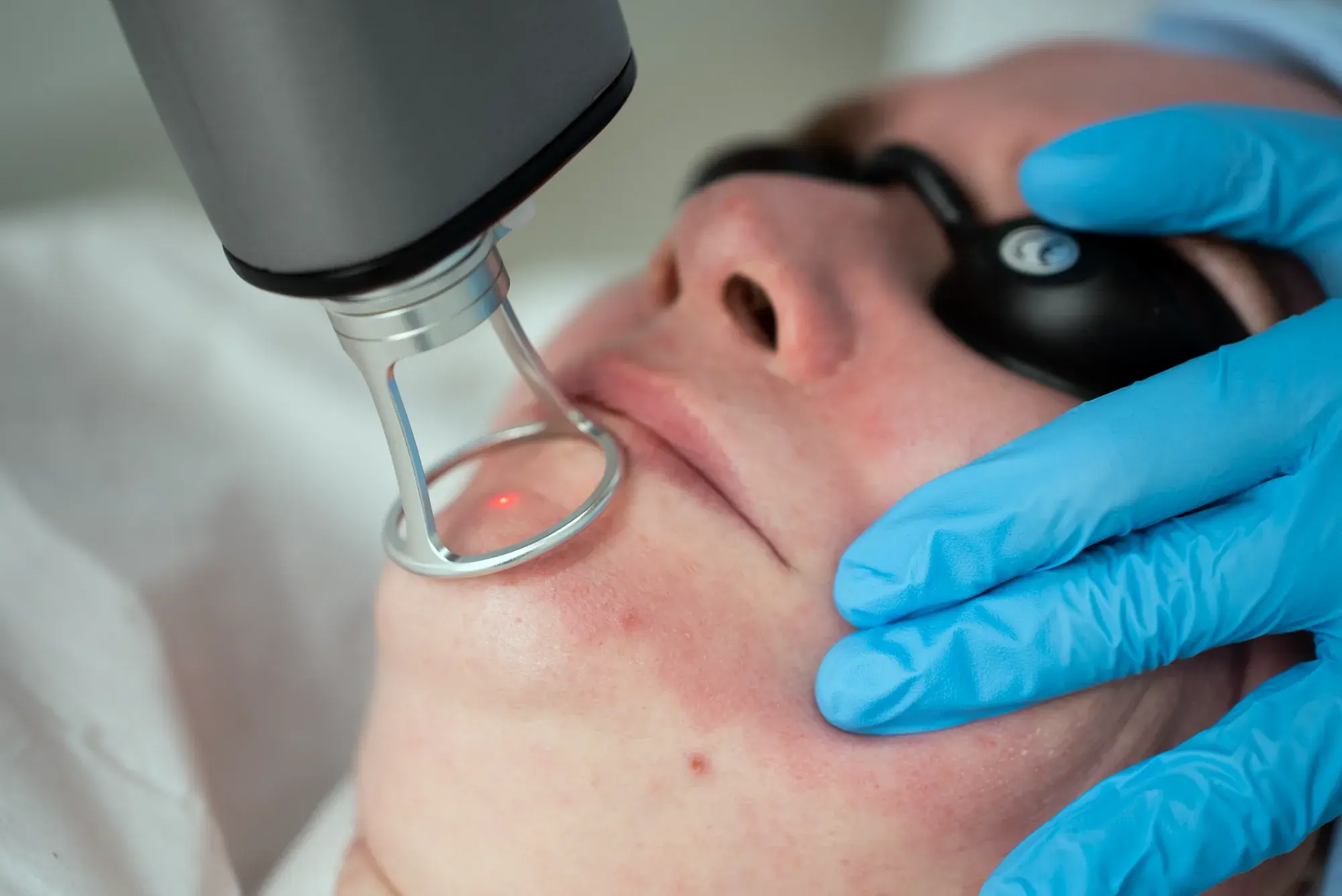
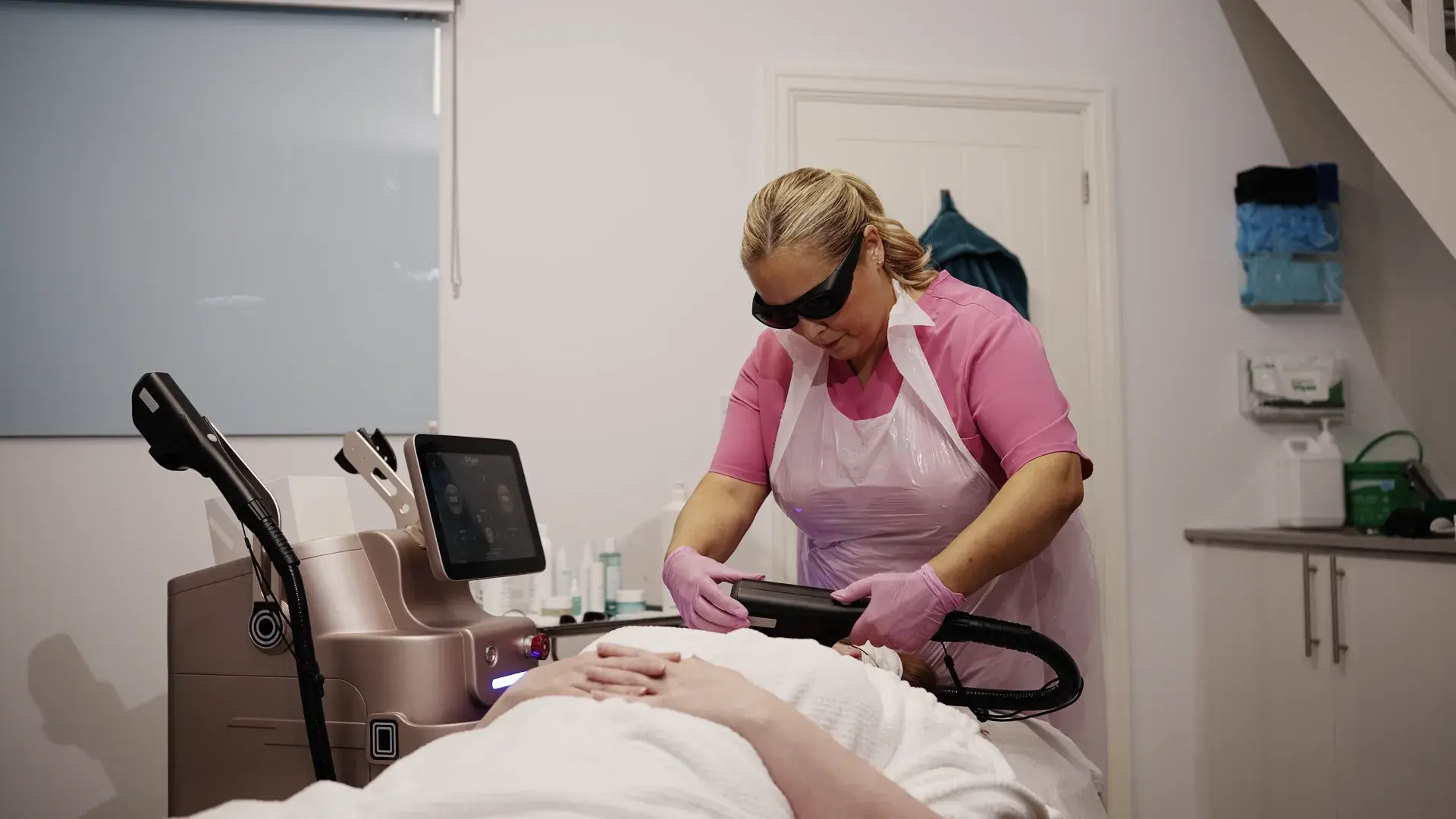 IPL Skin RejuvenationIPL skin rejuvenation uses intense pulsed light, a filtered broad-spectrum light rather than a laser, to treat facial redness, visible vessels, superficial pigmentation and sun damage. At Naomi Waite Aesthetics in Lancaster it is used for photorejuvenation of areas such as the face, neck, chest and hands, after a consultation to confirm your skin is suitable.Find out more
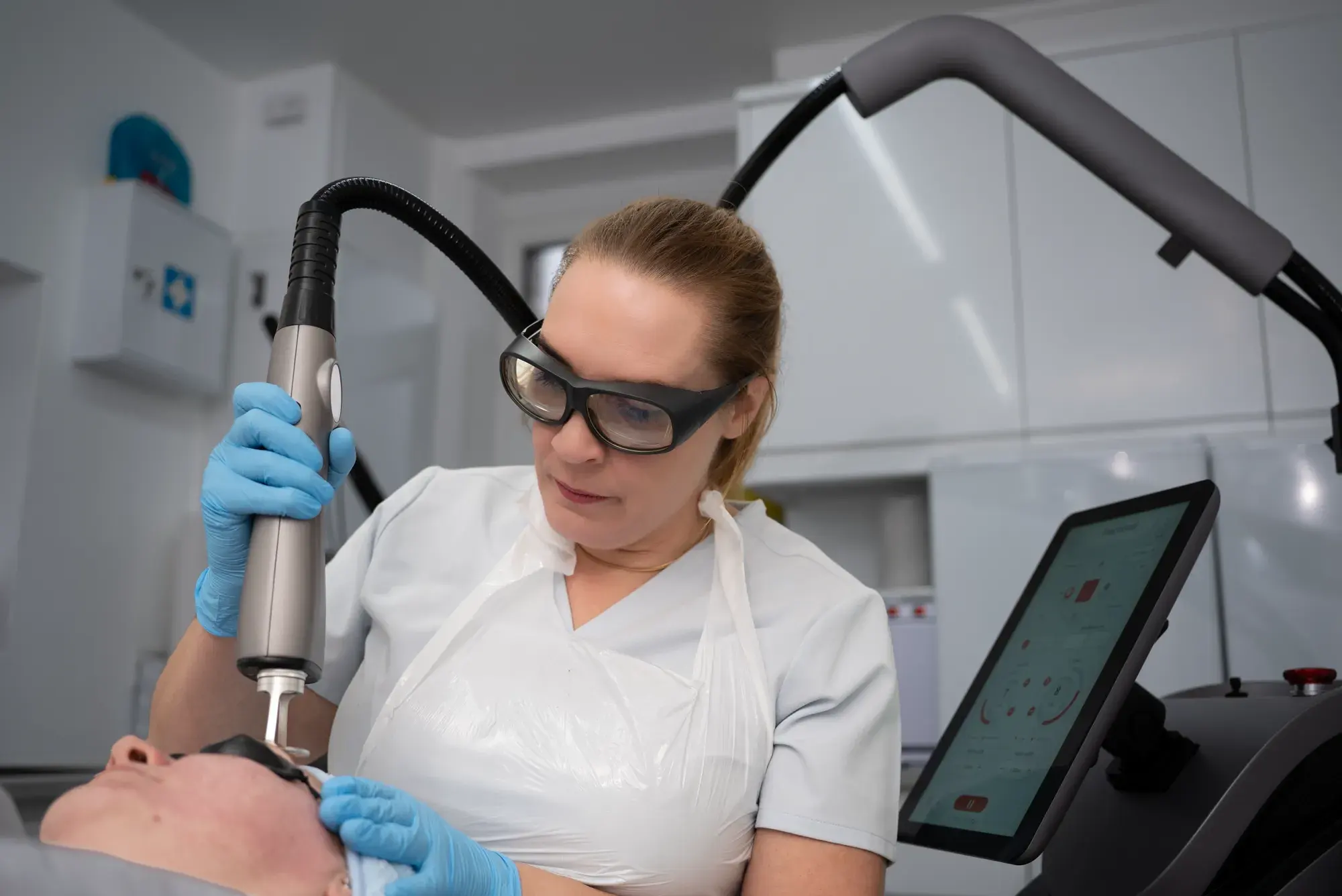 Thulium 1927/1550The Thulium 1927/1550 is a dual-wavelength fractional laser that treats the skin in microscopic zones. It is not an ablative resurfacing laser. At Naomi Waite Aesthetics in Lancaster it is used mainly for pigmentation, sun damage, uneven tone, texture and fine lines, with suitability for your skin confirmed at consultation.Find out more
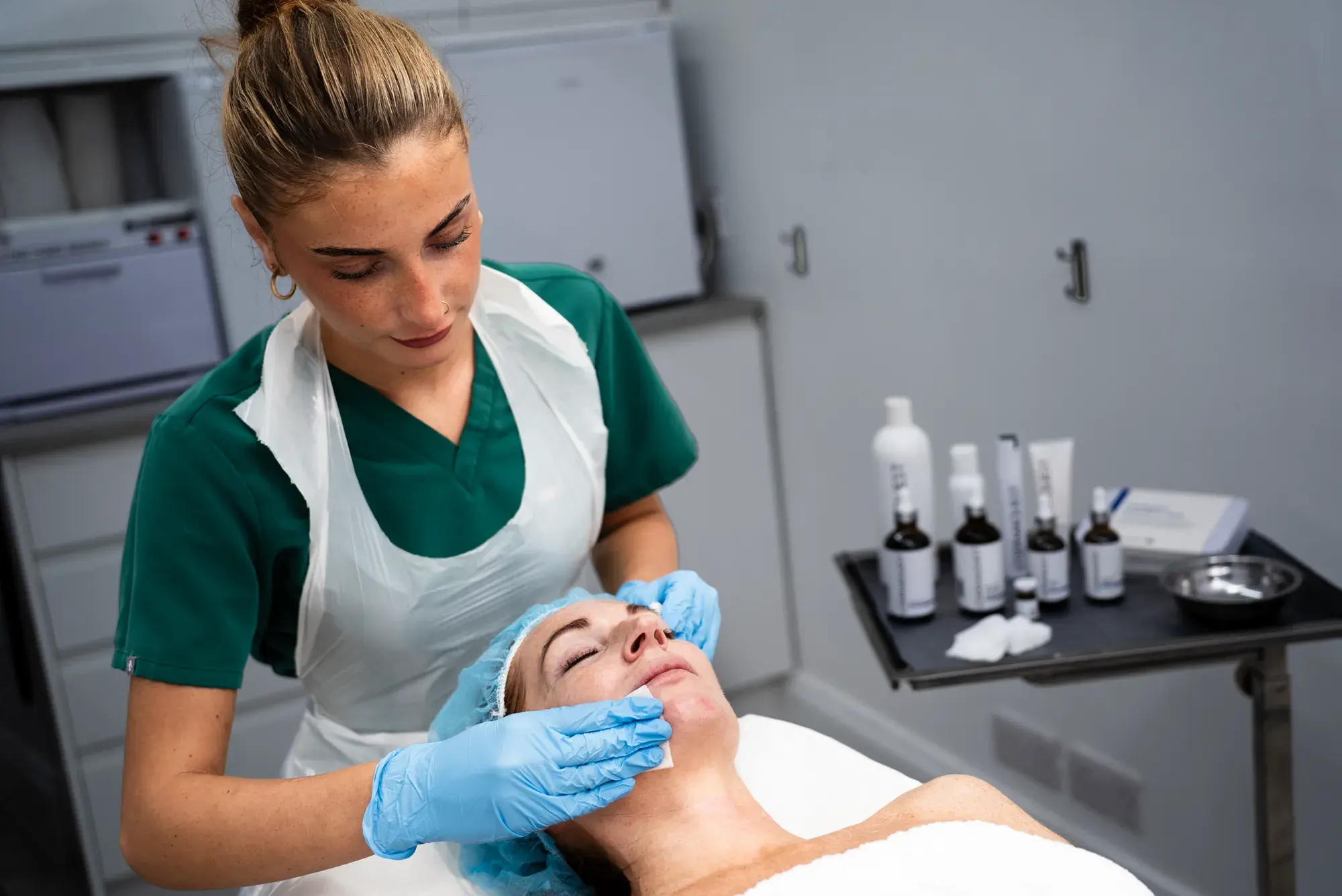 DermaQuest PeelsA chemical peel is a professional treatment that uses controlled topical acids or resurfacing formulations to speed up exfoliation and skin renewal. At Naomi Waite Aesthetics in Lancaster, DermaQuest peels and resurfacers are used for pigmentation, sun damage, congestion, post-acne marks, texture, fine lines, enlarged pores and dullness, at a level chosen for your skin.Find out more
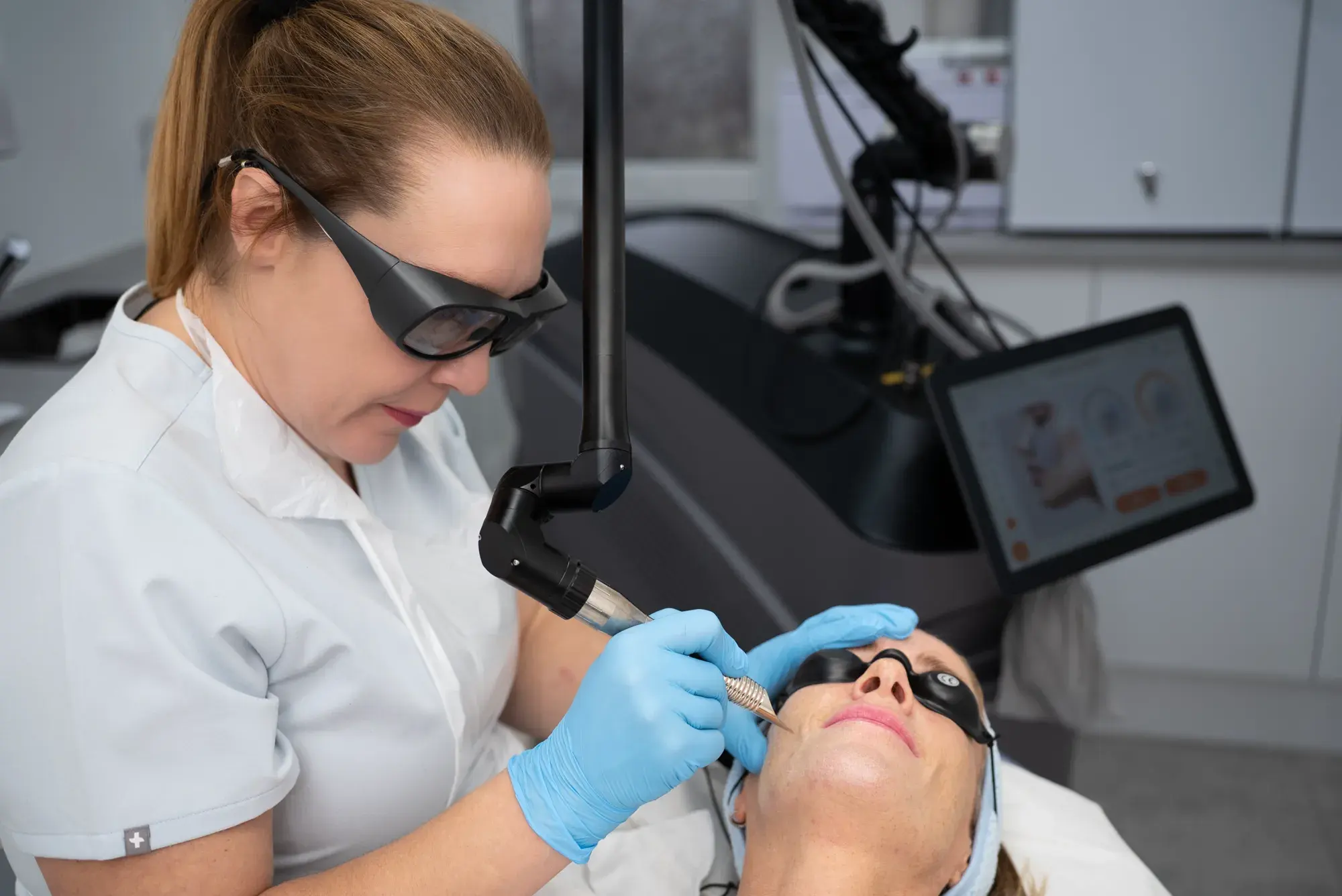 Er:YAG 2940 LaserEr:YAG 2940 laser, often called erbium laser, is an ablative resurfacing treatment. Its 2940 nm wavelength is strongly absorbed by water in the skin, which allows precise resurfacing. At Naomi Waite Aesthetics in Lancaster it is used for uneven texture, fine lines, sun-related ageing, enlarged pores and selected scarring, following a consultation.Find out more
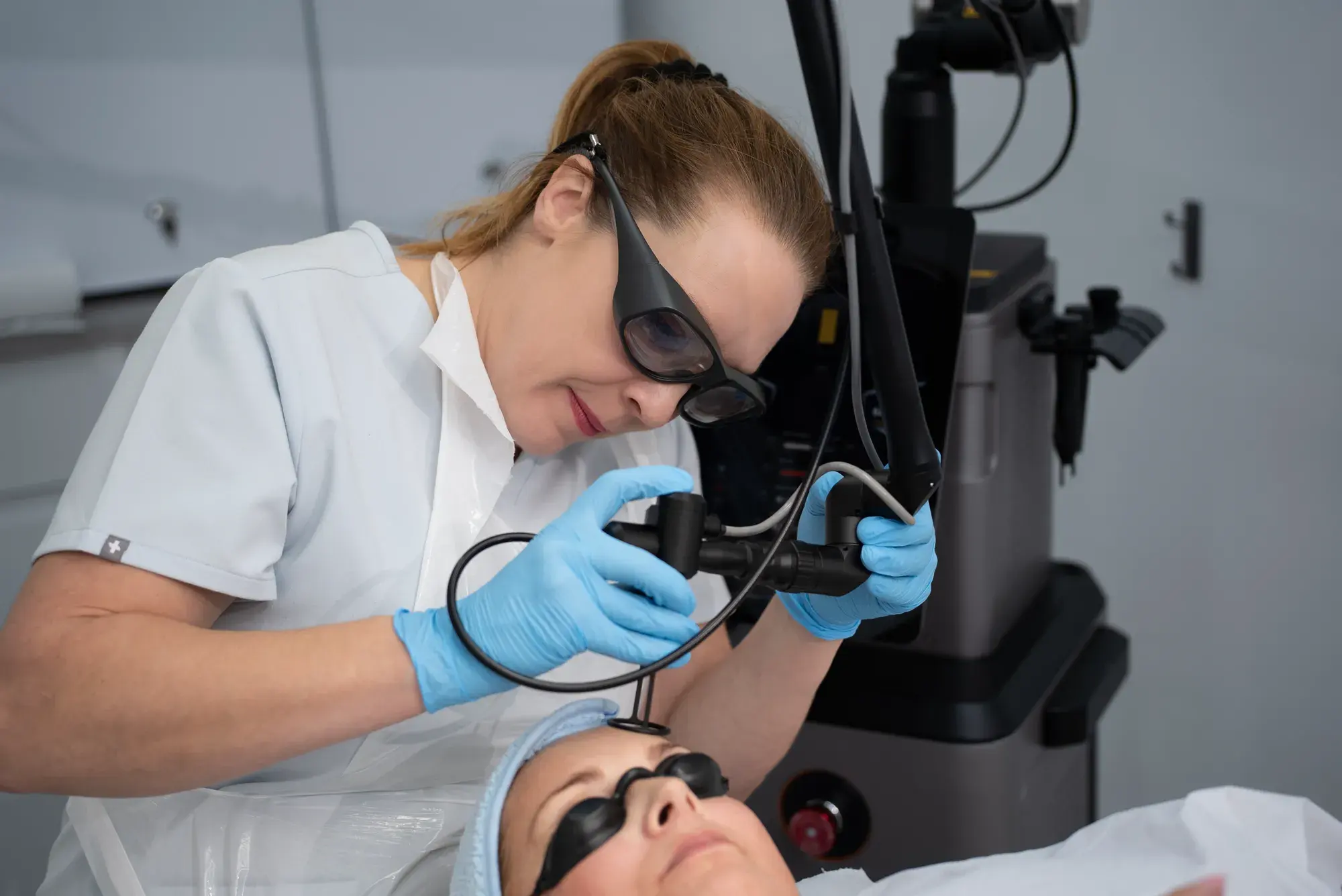 CO2 Fractional LaserCO2 fractional laser is an ablative resurfacing treatment that works on tiny columns of skin at a time, prompting the skin to repair itself and remodel collagen. At Naomi Waite Aesthetics in Lancaster it is used for concerns such as fine lines, acne scarring, uneven texture, enlarged pores and sun-related ageing, following a consultation.Find out more
How the main options for sun damage differ
| Feature | IPL Skin Rejuvenation | Thulium 1927/1550 | Resurfacing lasers (CO2 and Er:YAG) |
|---|---|---|---|
| Type of treatment | Intense pulsed light, a filtered broad-spectrum light (not a laser) | Dual-wavelength fractional laser (not an ablative resurfacing laser) | Ablative resurfacing lasers |
| Often considered for | Brown spots, redness and visible vessels | Pigment, sun damage, uneven tone and texture | Texture, fine lines and more visible sun-related ageing |
Frequently asked questions
Sun damage is caused by ultraviolet light from the sun and from sunbeds. Over the years it prompts extra pigment and weakens the collagen and elastin that keep skin firm, leading to spots, uneven tone, lines and a rougher texture. How much shows depends on your lifetime exposure, your skin type and how well your skin was protected.
There is no single best treatment, because sun damage usually involves several signs at once. Pigment and redness are often approached differently from texture and lines, and some people benefit from a combination. Your practitioner will assess your skin, using skin analysis, and recommend a route that suits your concerns and skin type.
It varies with the signs being treated, how established they are and the treatment chosen. Many people have a course of treatments, and some choose maintenance sessions afterwards. Your practitioner will give you a realistic idea at consultation.
Comfort levels vary with the treatment chosen and from person to person. Your practitioner will explain what you are likely to feel, and how any discomfort is managed, before treatment begins.
It depends on the treatment. Some options involve little disruption, while resurfacing treatments usually need a longer recovery period. You will be told what to expect for your chosen treatment and given aftercare to follow, including strict sun protection.
Treatment can improve the appearance of existing sun damage, but it cannot stop your skin reacting to future sun exposure. New spots and changes can develop over time, so daily broad-spectrum sun protection is the most important way to protect your results.
Many skin types can be treated, but some options suit certain skin types and tones better than others, and recently tanned skin may need to wait. Your practitioner will assess your skin and history before recommending anything, and a patch test may be advised for some treatments.
The cost depends on the treatment chosen, the size of the area and how many sessions you need. Current prices are listed on our prices page, and your practitioner will confirm the cost of your plan at your consultation in Lancaster.
Book Your Free Consultation
Tell us your goals. We'll tell you exactly what's possible and build a plan to get you there.