

Melasma
Melasma can be one of the most frustrating pigment concerns, because it often returns and can react to the wrong treatment. This guide explains what it is, what drives it and why we take a careful, consultation-led approach.
Quick answer
Melasma is a common form of pigmentation that causes patches of brown or grey-brown skin, usually on the cheeks, forehead, upper lip or nose. It is linked to hormones and sun exposure and tends to be long-lasting. At Naomi Waite Aesthetics in Lancaster, we offer a consultation-led plan to help improve its appearance.
What is melasma?
Melasma is a type of pigmentation that appears as flat patches of brown, grey-brown or darker skin. The patches are often symmetrical, appearing on both cheeks, across the forehead, above the upper lip or on the bridge of the nose, and they tend to have soft, blurred edges rather than the defined outline of a sun spot.
It is much more common in women than in men, usually starts in adulthood, and is seen more often in people with medium to deeper skin tones, although it can affect anyone. When it appears during pregnancy it is sometimes called chloasma. Because it sits on the face and can be hard to cover, many people find it affects their confidence.
Melasma is different from straightforward sun spots. It is influenced by hormones as well as light, tends to be long-lasting and often comes and goes, and it can sit alongside post-inflammatory hyperpigmentation (PIH), the darker marks left after acne or irritation. That is why it needs a longer-term management plan rather than a quick fix.
- Across both cheeks
- The forehead
- Above the upper lip
- The bridge of the nose
- The chin
- Less often, the neck and forearms
What causes melasma?
The exact cause of melasma is not fully understood, but it is thought to involve pigment cells that respond strongly to certain triggers. Hormones play a significant part, which is why melasma is often linked with pregnancy, hormonal contraception or hormone replacement therapy.
Sun exposure is the other major factor. Ultraviolet light, and for some people visible light and heat, can darken existing patches and trigger new ones, which is why melasma often looks worse in summer and after holidays, and may soften in winter. A family history also makes it more likely.
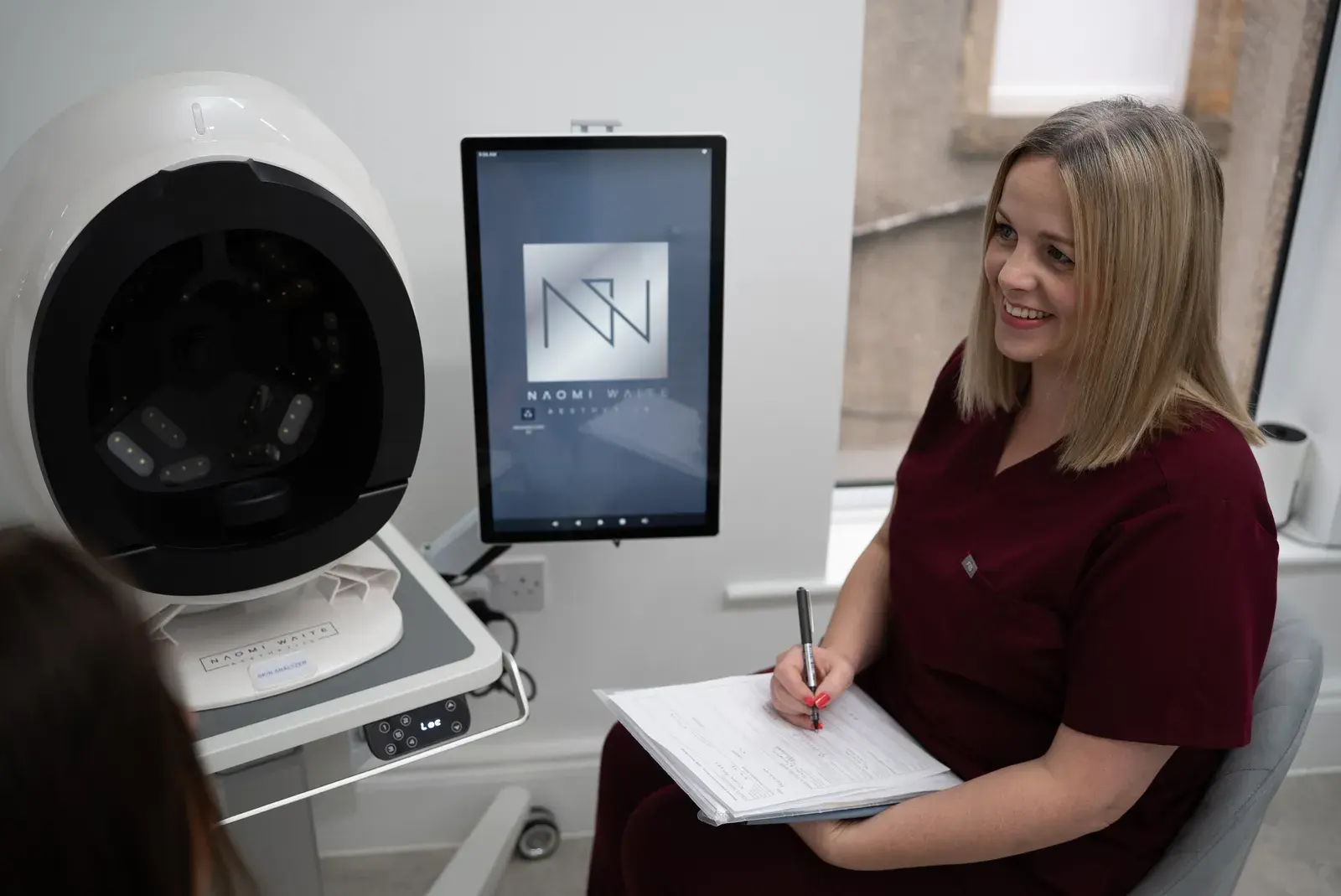
Because heat and inflammation can make melasma worse, the choice of treatment matters. Treatments that create too much heat or irritation, and even some skincare products, can trigger a flare, so a gentle, gradual plan is usually preferred. Your practitioner will assess your pigment with skin analysis and discuss your history before recommending a plan.
- Hormonal changes, including pregnancy
- Hormonal contraception or hormone replacement therapy
- Sun exposure, and for some people visible light and heat
- Genetics and family history
- Irritation from harsh products or treatments
Related treatments
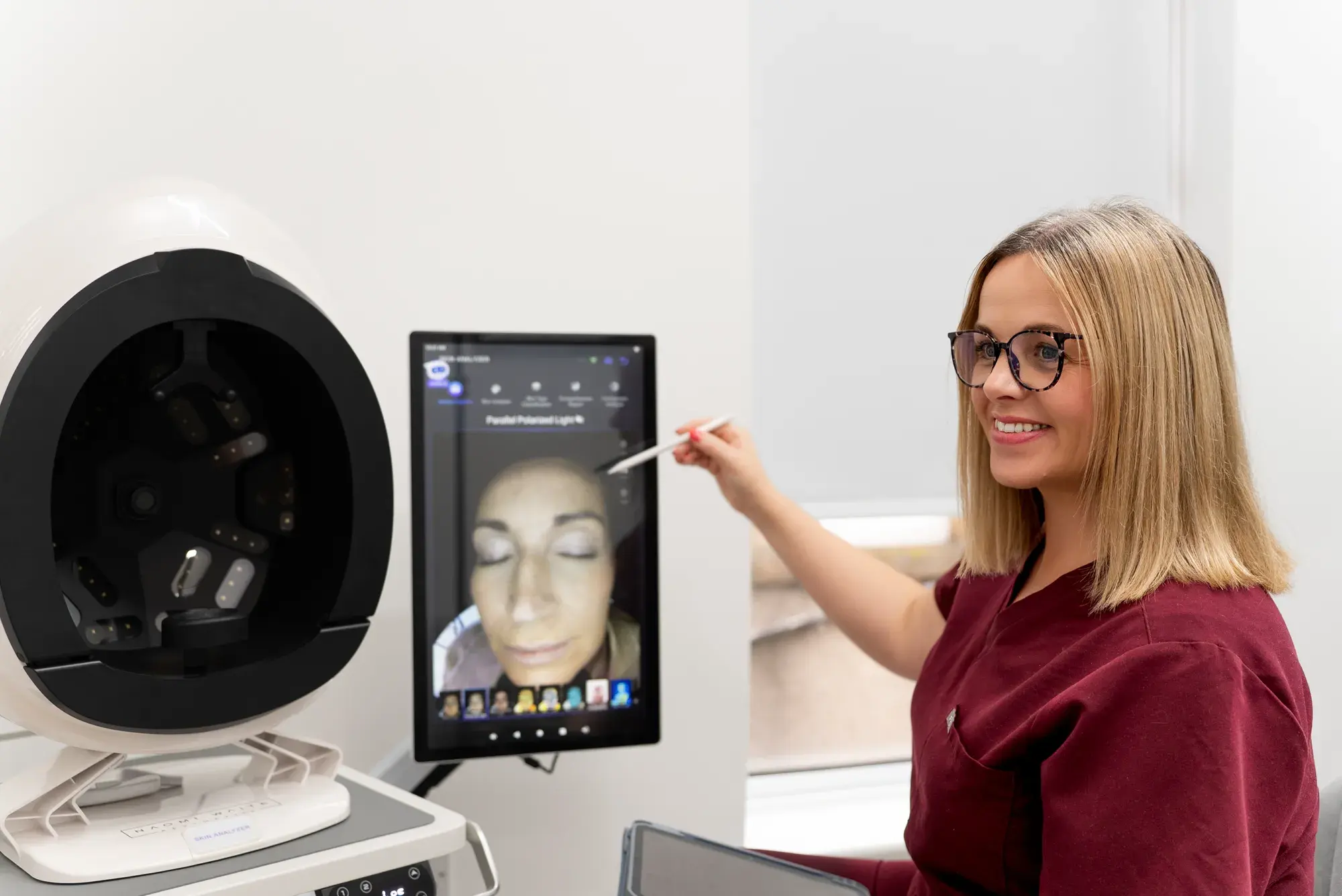 Skin AnalysisSkin analysis is a digital skin-imaging assessment used at Naomi Waite Aesthetics in Lancaster during consultations. It gives your practitioner a closer look at visible pigmentation, redness, pores, texture, oil and congestion, and signs of ageing, to help plan the most appropriate treatment route. It is an assessment tool, not a treatment.Find out more
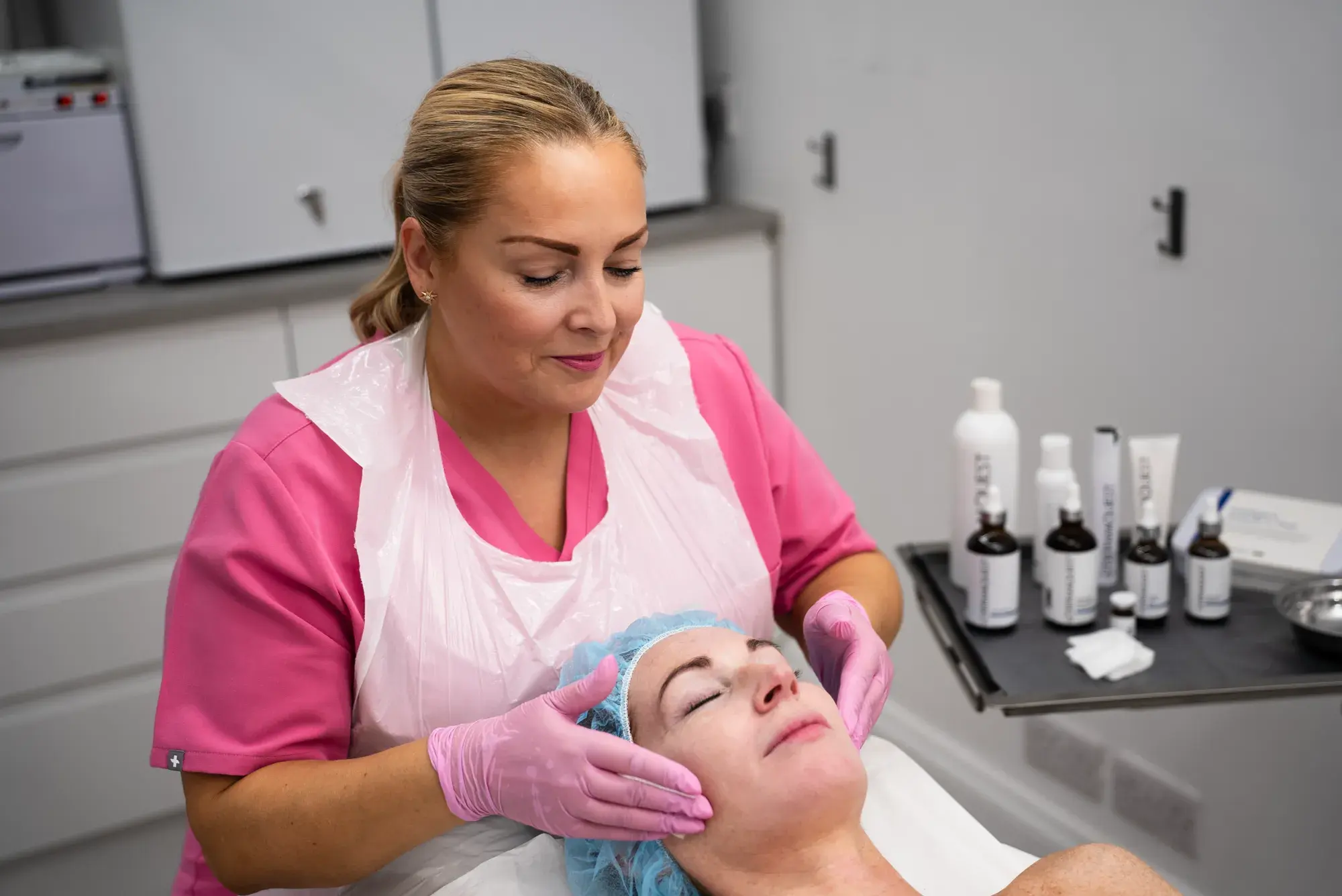
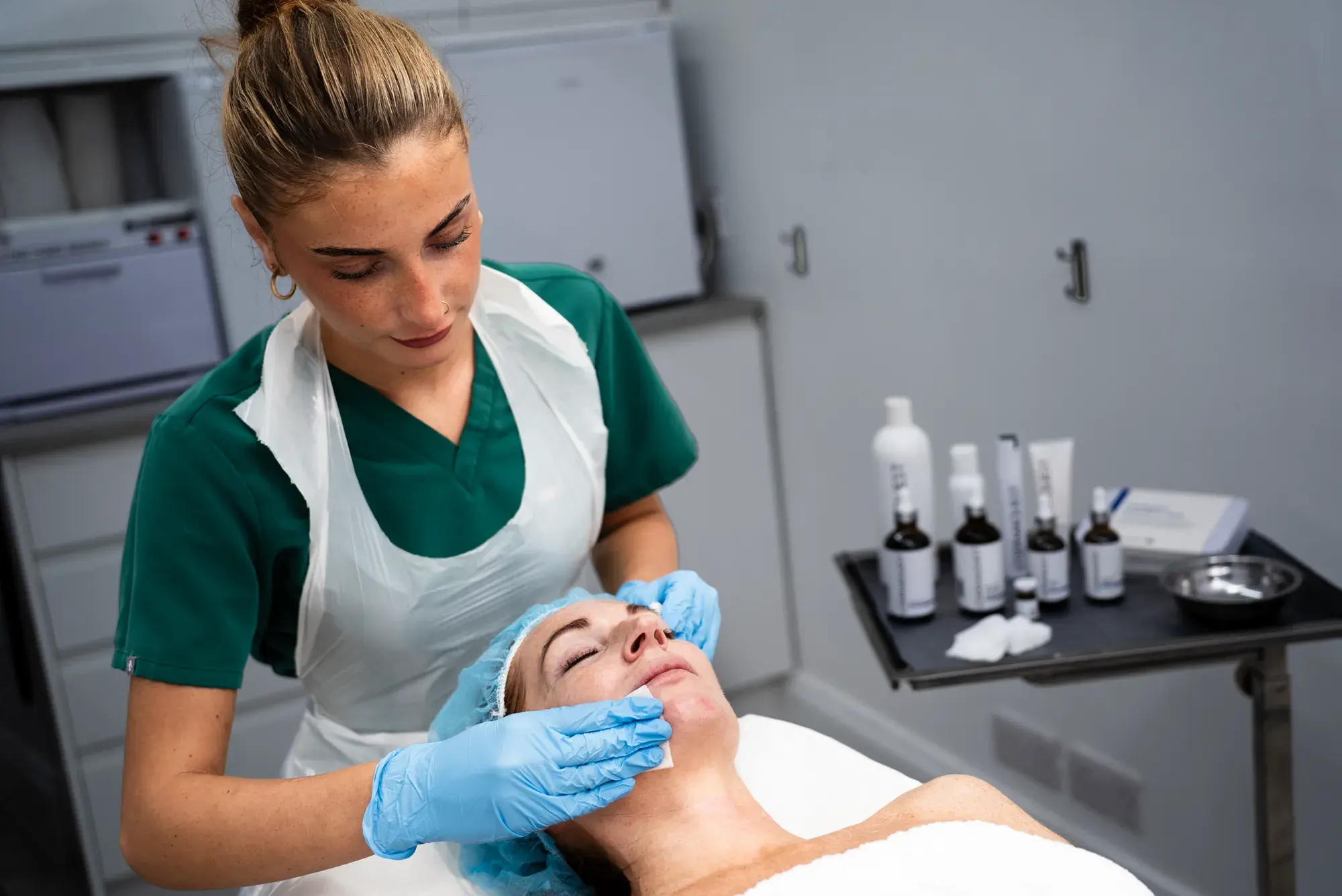 DermaQuest PeelsA chemical peel is a professional treatment that uses controlled topical acids or resurfacing formulations to speed up exfoliation and skin renewal. At Naomi Waite Aesthetics in Lancaster, DermaQuest peels and resurfacers are used for pigmentation, sun damage, congestion, post-acne marks, texture, fine lines, enlarged pores and dullness, at a level chosen for your skin.Find out more
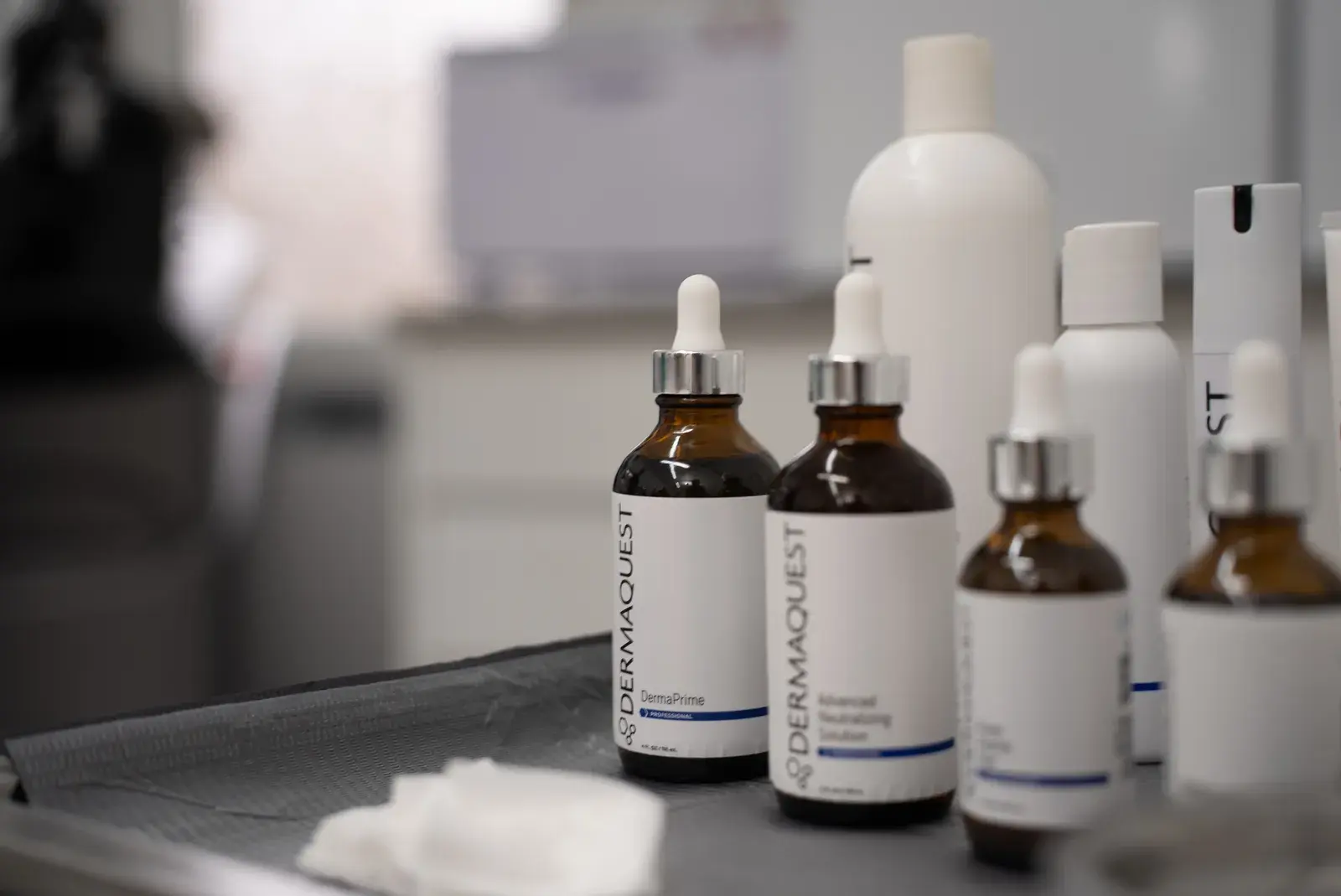 DermaQuest Active FacialsDermaQuest Active Facials are professional facial treatments that use targeted DermaQuest skincare formulations, selected for your skin concern. At Naomi Waite Aesthetics in Lancaster they are used for concerns such as ageing, pigmentation, congestion, sensitivity, dehydration and dullness. They are different from a Hydrofacial and are not automatically a chemical peel.Find out more
The role of each option in a melasma plan
| Feature | Skin Analysis | DermaQuest Peels | DermaQuest Active Facials |
|---|---|---|---|
| What it is | A digital skin-imaging assessment, not a treatment | Professional chemical peels and resurfacers | Professional facials using targeted DermaQuest formulations |
| Role in a melasma plan | Helps your practitioner see your pigment and plan the most appropriate route | A corrective exfoliation route for pigment, at a level chosen for your skin | A targeted facial selected for your skin's needs, and not the same as a peel |
Frequently asked questions
Melasma is linked to a combination of hormones, sun exposure and genetics. It often appears or worsens during pregnancy or with hormonal contraception, and ultraviolet light, visible light and heat can all darken it. The exact cause is not fully understood.
No single treatment is best for everyone with melasma. It is usually managed with a combined, consultation-led plan that may include professional skincare, DermaQuest peels or active facials, and strict daily sun protection. Selected energy treatments are only considered when your practitioner judges them appropriate after assessment.
Melasma is usually managed over months rather than in a set number of sessions, and ongoing maintenance is often needed. Your practitioner will build a plan around your skin and review it with you as you go.
Comfort levels vary with the treatment chosen and from person to person. Your practitioner will explain what you are likely to feel, and how any discomfort is managed, before treatment begins.
Skin analysis and facials involve little disruption, while peels can cause some redness or flaking depending on the level chosen. Your practitioner will explain what to expect for your plan and give you aftercare to follow.
Yes. Melasma is a long-term condition and tends to recur, particularly with sun exposure, heat or hormonal changes. Treatment aims to improve its appearance and keep it under control, and daily broad-spectrum sun protection is essential.
Melasma is more common in medium to deeper skin tones, which can also be more prone to unwanted pigment changes if skin is treated too aggressively. That is why we take a careful approach and assess your skin fully before recommending anything.
The cost depends on the treatments included in your plan and how long it runs. Current prices are listed on our prices page, and your practitioner will confirm the cost of your plan at your consultation in Lancaster.
Laser should not be seen as a way to clear melasma. Heat and inflammation can sometimes make melasma worse and responses to energy treatments are unpredictable, so we do not promise clearance. Any energy treatment is only considered after a thorough assessment, when your practitioner judges it appropriate.
Melasma is driven by several factors at once, including hormones, sun and heat, and it can look similar to other types of pigmentation. A consultation with skin analysis helps confirm what you are dealing with, avoid approaches that could aggravate it and build a realistic, long-term plan.
Book Your Free Consultation
Tell us your goals. We'll tell you exactly what's possible and build a plan to get you there.