

Pigmentation
Uneven patches of darker skin are one of the most common concerns we see in clinic. This guide explains what pigmentation is, why it develops and how we help you find the right way to improve it.
Quick answer
Pigmentation is the term for patches of skin that look darker than the surrounding skin, caused by extra melanin. It includes sun spots, freckles, melasma and marks left after spots or inflammation. At Naomi Waite Aesthetics in Lancaster, a range of treatments can help reduce its appearance, chosen after a consultation and skin analysis.
What is pigmentation?
Pigmentation describes areas of skin that are darker than your natural skin tone. It happens when the skin produces more melanin, the pigment that gives skin its colour, in one area than another. The result can be small, well-defined spots, a scattering of freckles, or larger patches that make the complexion look uneven.
It is very common and can affect any skin type or tone, although it often shows most on the face, hands, chest and shoulders, the areas that see the most sun. Some people notice it gradually over years, while for others it appears more suddenly, for example during pregnancy or after a breakout. Many find it makes their skin look tired or older than they feel, and it can be difficult to cover completely with makeup.
Not all pigmentation is the same, and that matters when choosing treatment. Straightforward sun-related spots behave quite differently from more complex pigment such as melasma or post-inflammatory hyperpigmentation, which can be persistent and may react badly to the wrong approach.
- Sun spots and age spots: flat brown marks on sun-exposed skin
- Freckles: small, light brown marks that often darken in summer
- Melasma: larger, often symmetrical patches on the cheeks, forehead or upper lip
- Post-inflammatory hyperpigmentation: darker marks left after acne, injury or irritation
What causes pigmentation?
Melanin is made by cells called melanocytes, and several things can prompt them to produce more than usual. Sun exposure is the most common trigger, because the skin makes melanin to help protect itself from ultraviolet light. Over time, repeated exposure can leave lasting spots and an uneven tone.
Hormones play a large part in melasma, which is why it is often linked with pregnancy or hormonal contraception. Inflammation is another key cause: acne, eczema, cuts, burns or irritation from harsh products can leave darker marks behind as the skin heals, and these can be more noticeable in deeper skin tones.
Often more than one factor is involved, which is why an assessment matters. Pigment can also sit at different depths in the skin, which affects how it responds to treatment. Your practitioner will look at the pattern and depth of your pigment, your skin type and your history before recommending any approach.
- Sun exposure, including sunbed use
- Hormonal changes, such as pregnancy or hormonal contraception
- Inflammation or injury to the skin, including acne
- Ageing and cumulative sun damage
- Genetics and natural skin type
- Some medications that make skin more sensitive to light
Related treatments
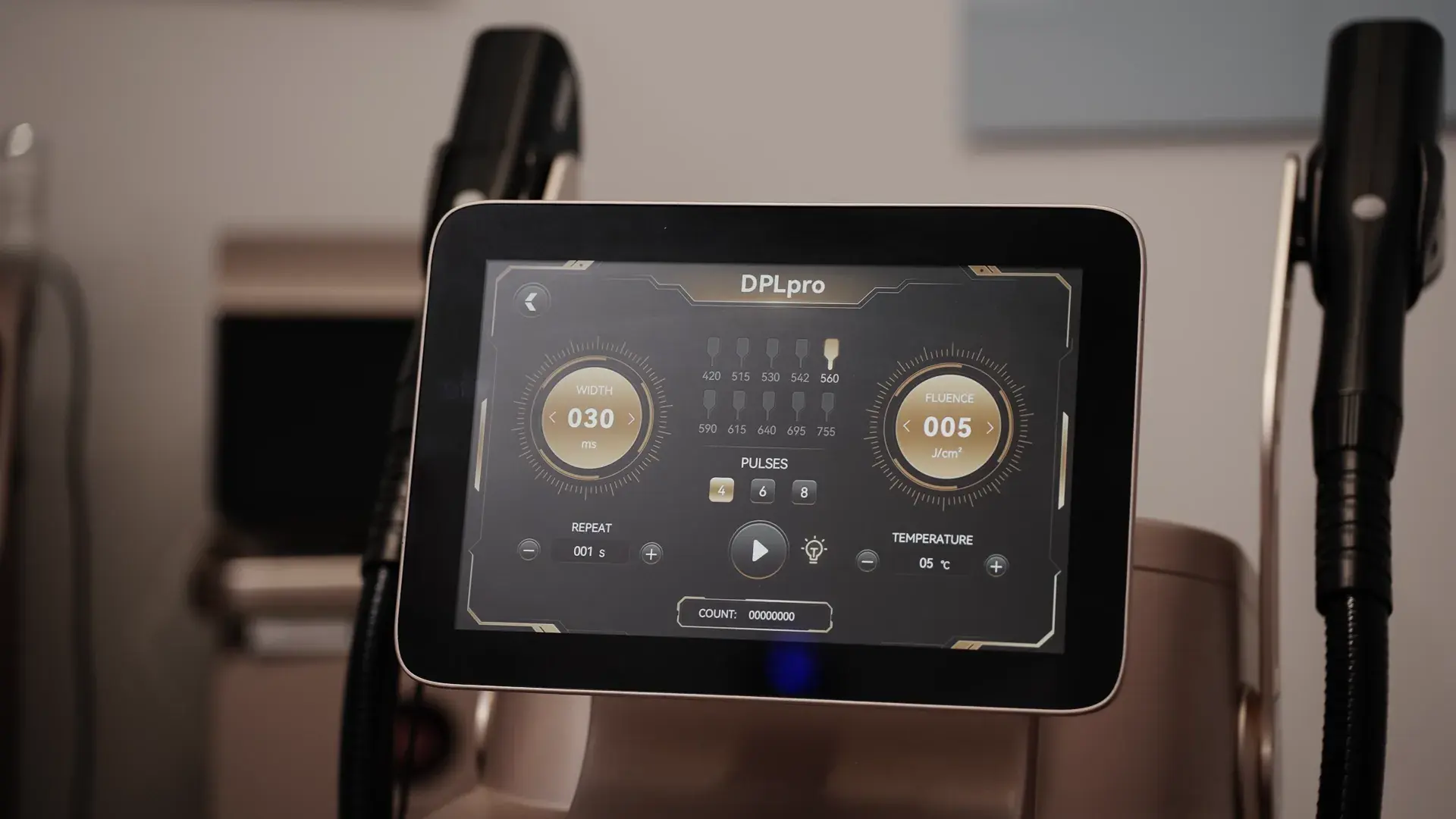
 IPL Skin RejuvenationIPL skin rejuvenation uses intense pulsed light, a filtered broad-spectrum light rather than a laser, to treat facial redness, visible vessels, superficial pigmentation and sun damage. At Naomi Waite Aesthetics in Lancaster it is used for photorejuvenation of areas such as the face, neck, chest and hands, after a consultation to confirm your skin is suitable.Find out more
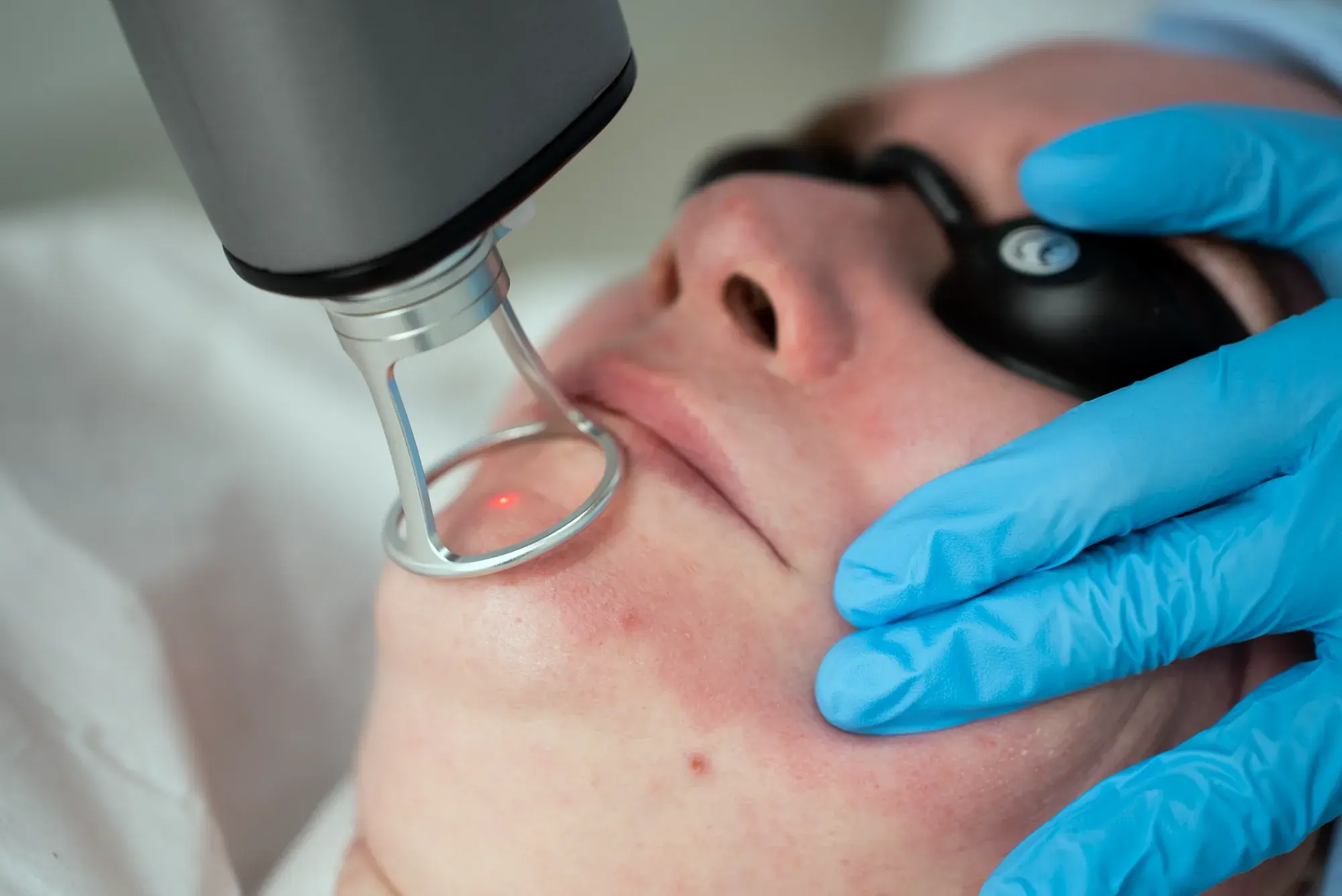
 Pico LaserPico laser is a picosecond laser that delivers very short pulses of energy to break tattoo ink and pigment into fragments, which the body then clears gradually. At Naomi Waite Aesthetics in Lancaster it is used for tattoo removal, permanent makeup (PMU) removal and selected pigmentation, following an assessment at consultation.Find out more
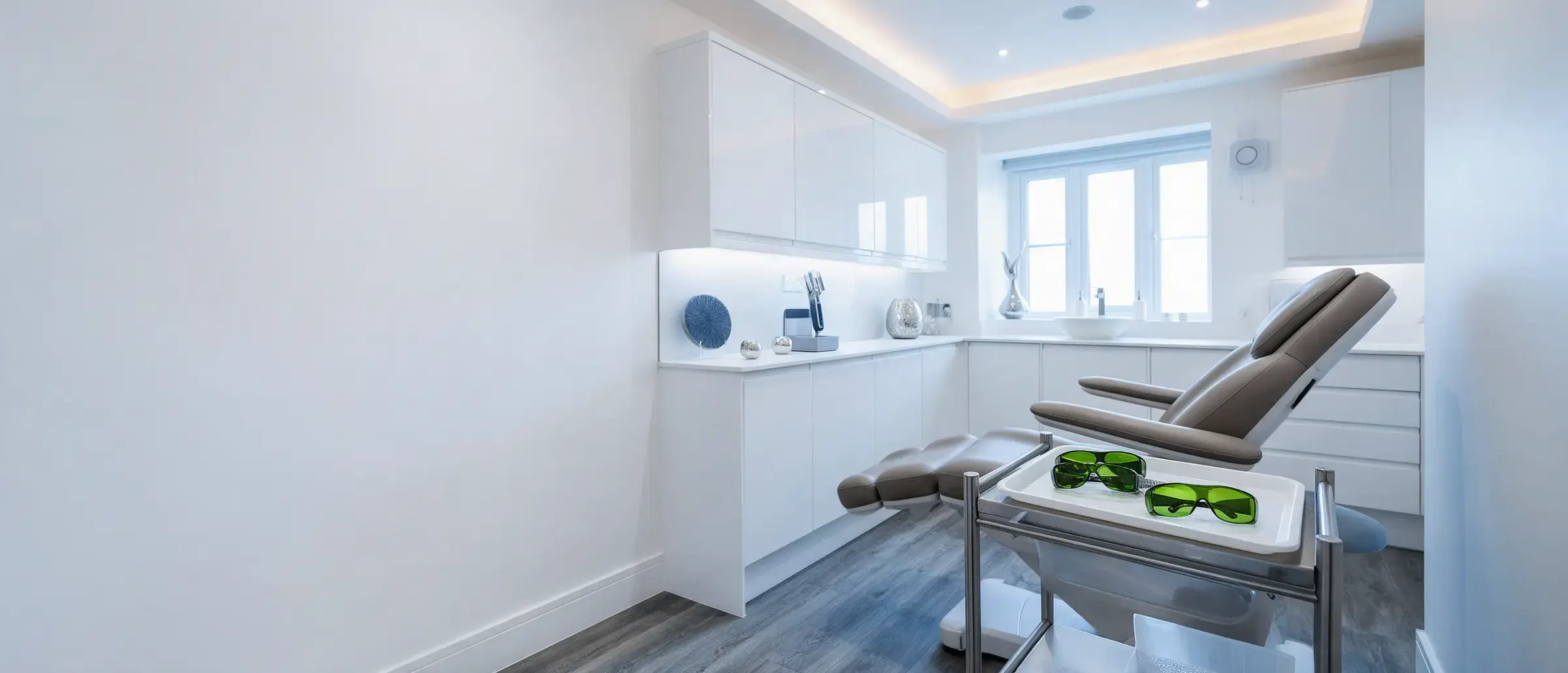 Q-switched Nd:YAG 532/1064Q-switched Nd:YAG is a nanosecond laser with two wavelengths, 532 nm and 1064 nm, that uses short, high-energy pulses to target tattoo ink and pigment. At Naomi Waite Aesthetics in Lancaster it is used for tattoo removal, permanent makeup (PMU) removal and selected pigmentation, with suitability and a plan agreed at consultation.Find out more
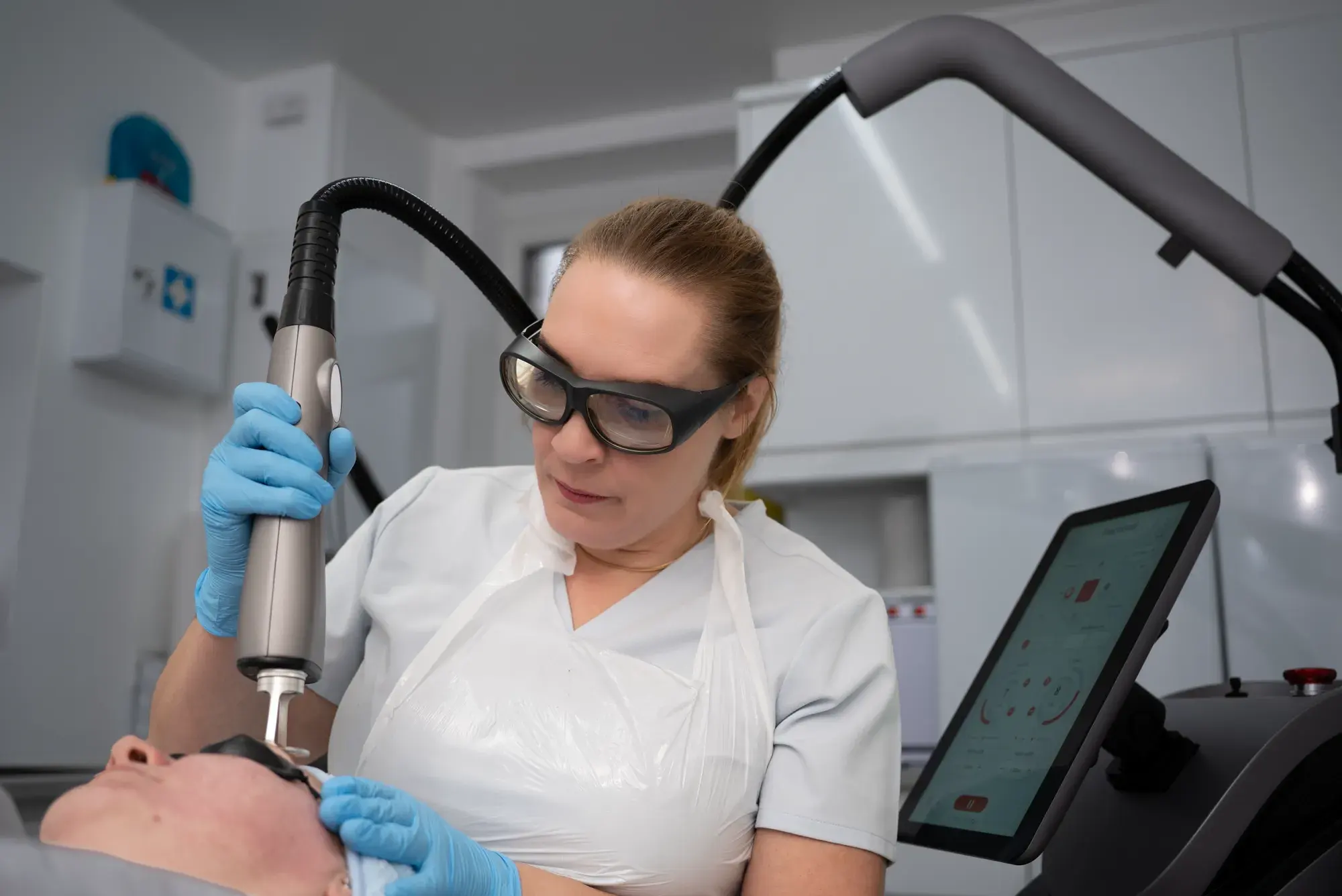 Thulium 1927/1550The Thulium 1927/1550 is a dual-wavelength fractional laser that treats the skin in microscopic zones. It is not an ablative resurfacing laser. At Naomi Waite Aesthetics in Lancaster it is used mainly for pigmentation, sun damage, uneven tone, texture and fine lines, with suitability for your skin confirmed at consultation.Find out more
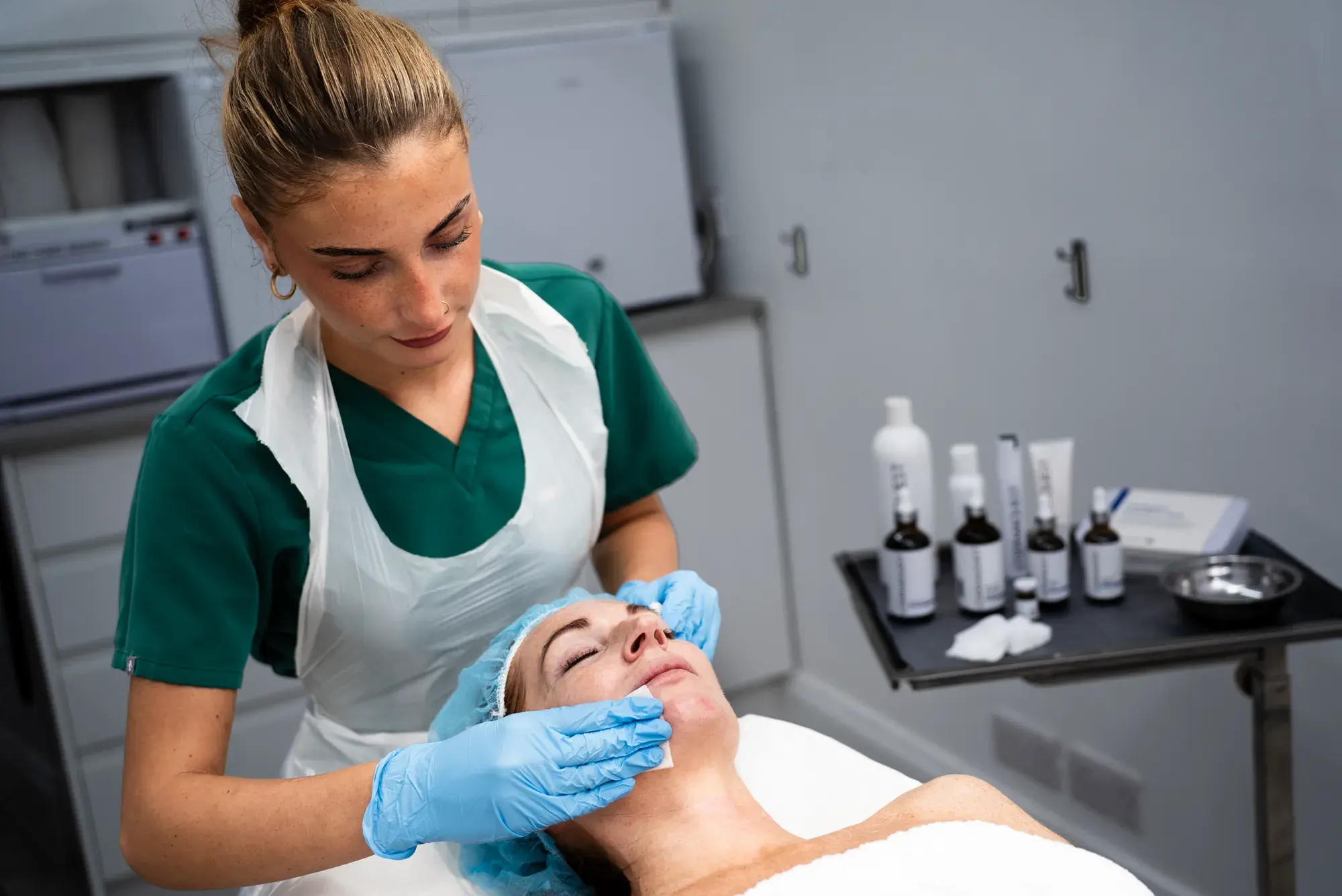 DermaQuest PeelsA chemical peel is a professional treatment that uses controlled topical acids or resurfacing formulations to speed up exfoliation and skin renewal. At Naomi Waite Aesthetics in Lancaster, DermaQuest peels and resurfacers are used for pigmentation, sun damage, congestion, post-acne marks, texture, fine lines, enlarged pores and dullness, at a level chosen for your skin.Find out more
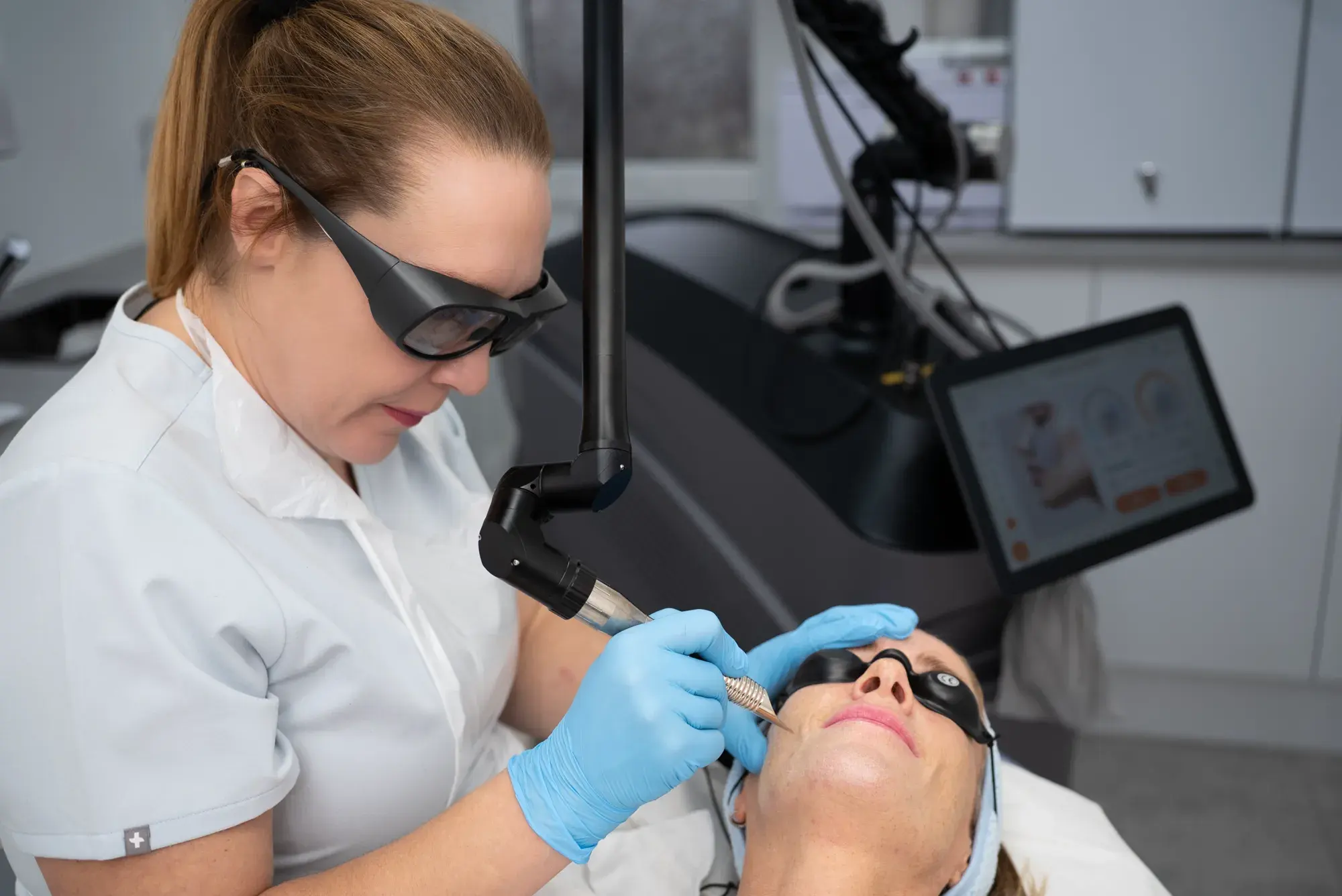 Er:YAG 2940 LaserEr:YAG 2940 laser, often called erbium laser, is an ablative resurfacing treatment. Its 2940 nm wavelength is strongly absorbed by water in the skin, which allows precise resurfacing. At Naomi Waite Aesthetics in Lancaster it is used for uneven texture, fine lines, sun-related ageing, enlarged pores and selected scarring, following a consultation.Find out more
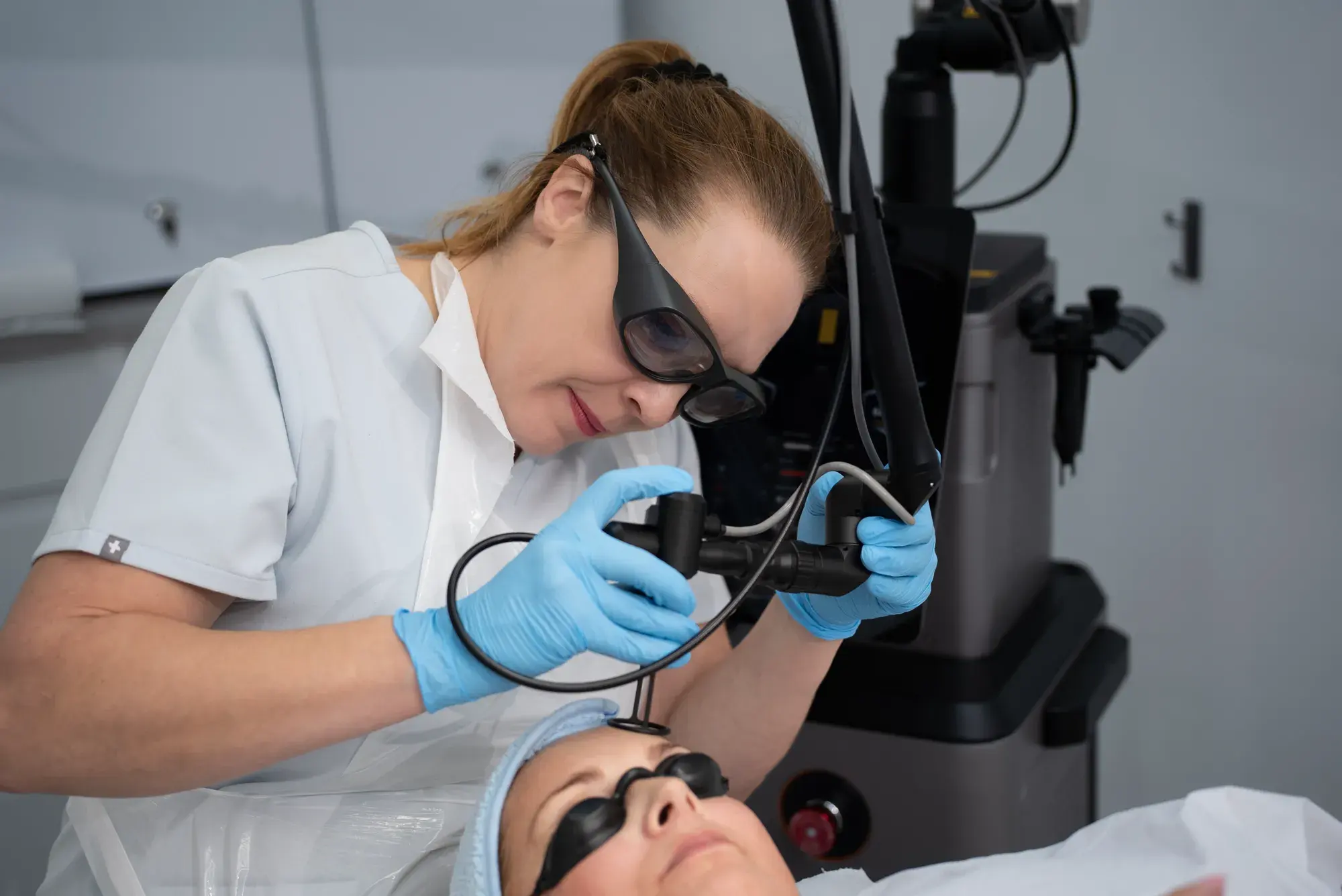 CO2 Fractional LaserCO2 fractional laser is an ablative resurfacing treatment that works on tiny columns of skin at a time, prompting the skin to repair itself and remodel collagen. At Naomi Waite Aesthetics in Lancaster it is used for concerns such as fine lines, acne scarring, uneven texture, enlarged pores and sun-related ageing, following a consultation.Find out more
 Plasma Skin TighteningPlasma skin tightening is a non-surgical treatment that uses a plasma pen to create tiny plasma arcs at the skin's surface, delivering controlled heat that aims to encourage the skin's own renewal. At Naomi Waite Aesthetics in Lancaster it is considered for fine lines, skin laxity, acne scarring and selected pigmentation, following consultation.Find out more
 Medical MicrodermabrasionMedical microdermabrasion is a mechanical exfoliation treatment that uses a diamond-tipped wand and suction to remove the outermost layer of dead skin cells. At Naomi Waite Aesthetics in Lancaster it is considered for skin texture, fine lines, the appearance of acne scarring and selected pigmentation, following a consultation.Find out more
How the main options for pigmentation differ
| Feature | IPL Skin Rejuvenation | Pigment lasers (Pico, Q-switched, Thulium) | DermaQuest Peels |
|---|---|---|---|
| Type of treatment | Intense pulsed light, a filtered broad-spectrum light (not a laser) | Laser light at specific wavelengths | Professional chemical peels and resurfacers |
| Often considered for | Sun-related pigment, often alongside redness and overall rejuvenation | Selected pigment concerns; Thulium is also used for sun damage, tone and texture | Pigment, post-acne marks, texture and dullness through controlled exfoliation |
| Also used for | Redness, visible vessels and hair reduction | Pico and Q-switched: tattoo and cosmetic tattoo (PMU) removal | Congestion, fine lines and enlarged pores |
Frequently asked questions
Pigmentation develops when the skin makes extra melanin in certain areas. The most common triggers are sun exposure, hormonal changes and inflammation, such as marks left after acne, and more than one factor is often involved. Identifying the cause helps your practitioner choose the most suitable approach.
There is no single best treatment, because the right option depends on the type and depth of pigment, your skin type and your history. Sun-related spots are often approached differently from melasma or post-inflammatory marks. At your consultation we use skin analysis alongside a skin assessment to recommend a route that suits you.
This varies from person to person and depends on the type of pigment, how deep it sits and the treatment chosen. Some people need a course of treatments, and complex pigment usually needs a longer-term plan. Your practitioner will give you a realistic idea once your skin has been assessed.
Comfort levels vary with the treatment chosen and from person to person. Your practitioner will explain what you are likely to feel, and how any discomfort is managed, before treatment begins.
It depends on the treatment. Some options involve little disruption to your day, while resurfacing treatments usually need a longer recovery, and treated spots can darken temporarily before they fade. You will be told what to expect for your chosen treatment and given aftercare to follow.
Yes, it can. Treatment aims to reduce the appearance of existing pigment, but sun exposure, hormones and inflammation can trigger new pigment over time, and melasma in particular tends to recur. Daily broad-spectrum sun protection and a suitable home skincare routine help protect your results.
Many people can be treated, but some options suit certain skin types and tones better than others, and deeper skin tones need particularly careful selection to avoid unwanted pigment changes. Your practitioner will assess your skin before recommending anything, and a patch test may be advised for some treatments.
The cost depends on the treatment chosen, the size of the area and how many sessions you need. Current prices are listed on our prices page, and your practitioner will confirm the cost of your plan at your consultation in Lancaster.
Book Your Free Consultation
Tell us your goals. We'll tell you exactly what's possible and build a plan to get you there.