
Facial Redness
A flushed or constantly red complexion can knock your confidence and be hard to cover. This guide explains what facial redness is, what can cause it and how we help you choose the right approach.
Quick answer
Facial redness is persistent or recurring redness of the face, often with flushing or small visible blood vessels, commonly on the cheeks, nose and chin. It can be linked to sensitive skin, sun damage or rosacea. At Naomi Waite Aesthetics in Lancaster, treatments can help reduce its appearance after a consultation.
What is facial redness?
Facial redness describes skin that looks pink or red more of the time than you would like. For some people it comes and goes as flushing, while for others it is there most of the time. It commonly affects the cheeks, nose, chin and forehead, and can come with small visible blood vessels, a feeling of warmth or skin that reacts easily.
It is very common and can affect anyone, although it often shows more clearly on fair skin. Redness is a symptom rather than a single condition, and it can have several different causes, which is why understanding what is behind it matters so much. Many people find it frustrating because it can be difficult to cover with makeup and may flare at unpredictable moments.
Persistent redness is sometimes a sign of rosacea, a common long-term skin condition that is diagnosed and managed medically. If your redness has not been looked at, or it comes with spots, burning, stinging or eye irritation, it is worth speaking to your GP. Cosmetic treatments can help with the appearance of redness alongside any medical care, not instead of it.
What causes facial redness?
Redness happens when small blood vessels near the skin's surface widen, or when more of them become visible than usual. Over time, repeated flushing and sun damage can leave vessels visible for longer, so redness that once came and went can become more constant.
Many everyday triggers can make it worse, and they vary from person to person. A weakened skin barrier also plays a part, as sensitised skin reacts more easily to products and to the environment. Keeping a note of when your redness flares can help you and your practitioner spot patterns.
Your practitioner will look at the pattern of your redness and ask about your triggers and history before recommending any treatment. Because redness can have several causes, an approach that helps one person may not suit another, and supporting a calm, healthy skin barrier is often part of the plan.
- Rosacea
- Sun exposure and cumulative sun damage
- Heat, cold, wind and sudden changes in temperature
- Alcohol, spicy food and hot drinks
- Harsh or irritating skincare products
- Sensitive skin or a weakened skin barrier
- Genetics and fair skin
Related treatments
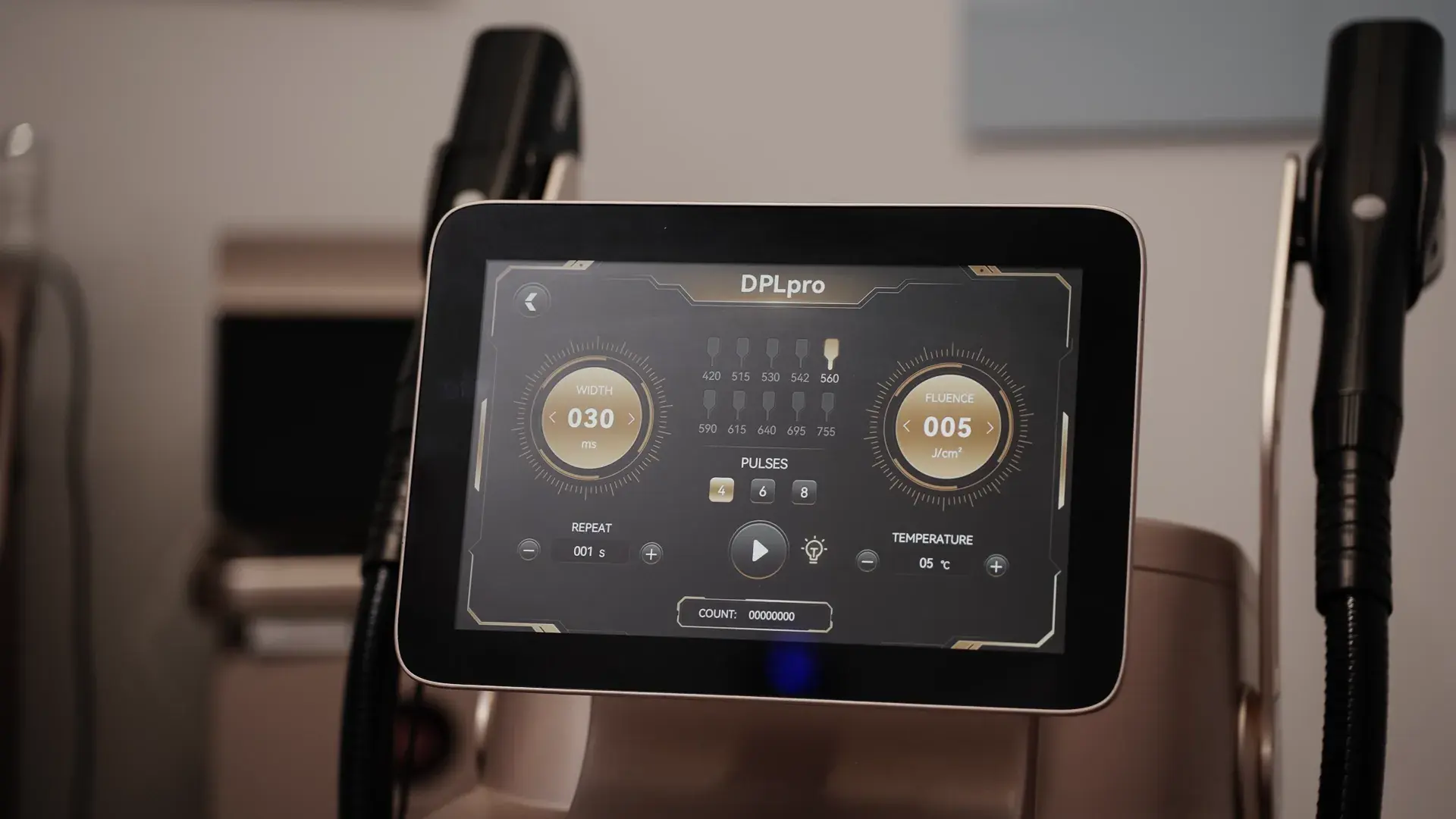
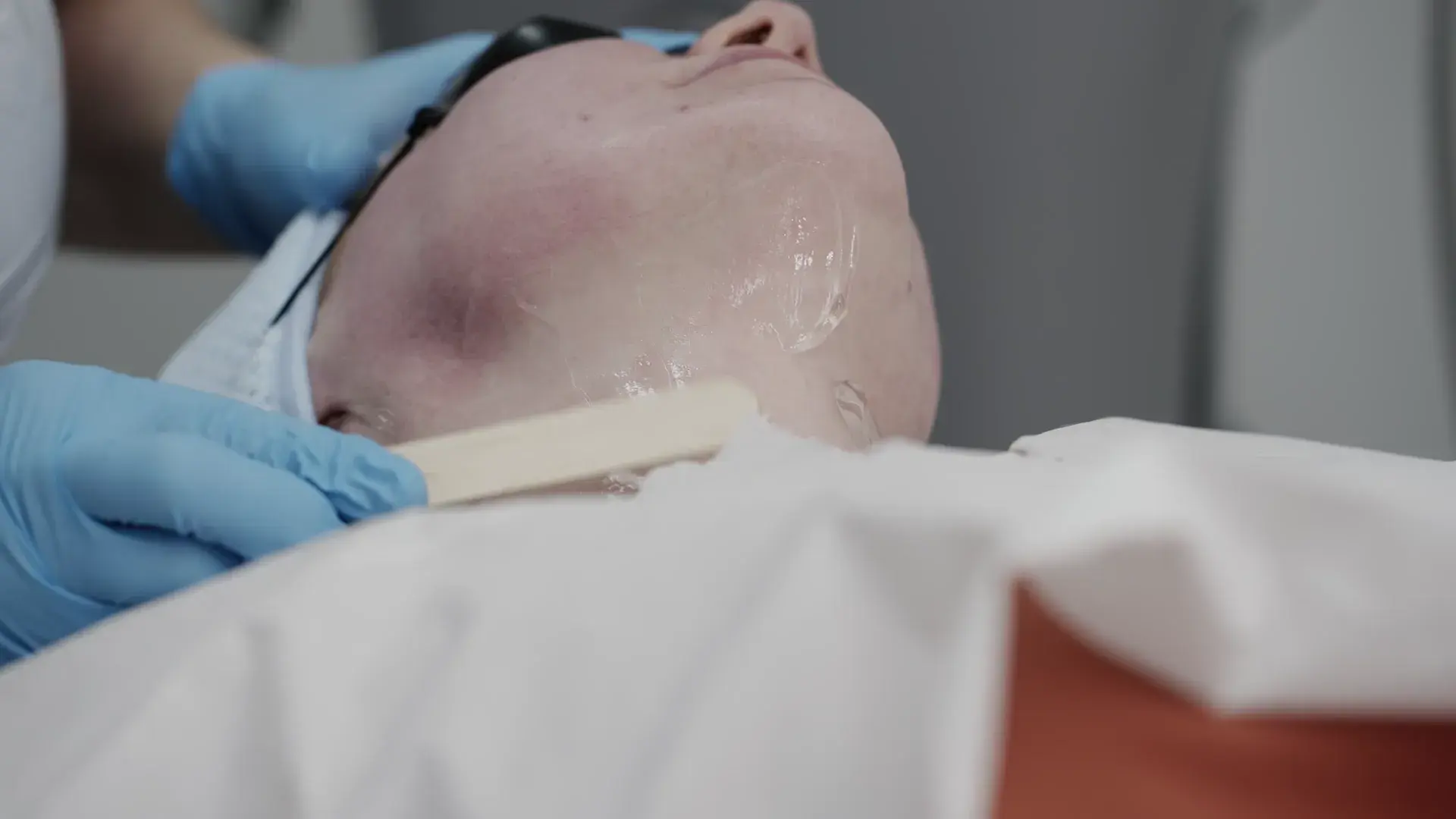
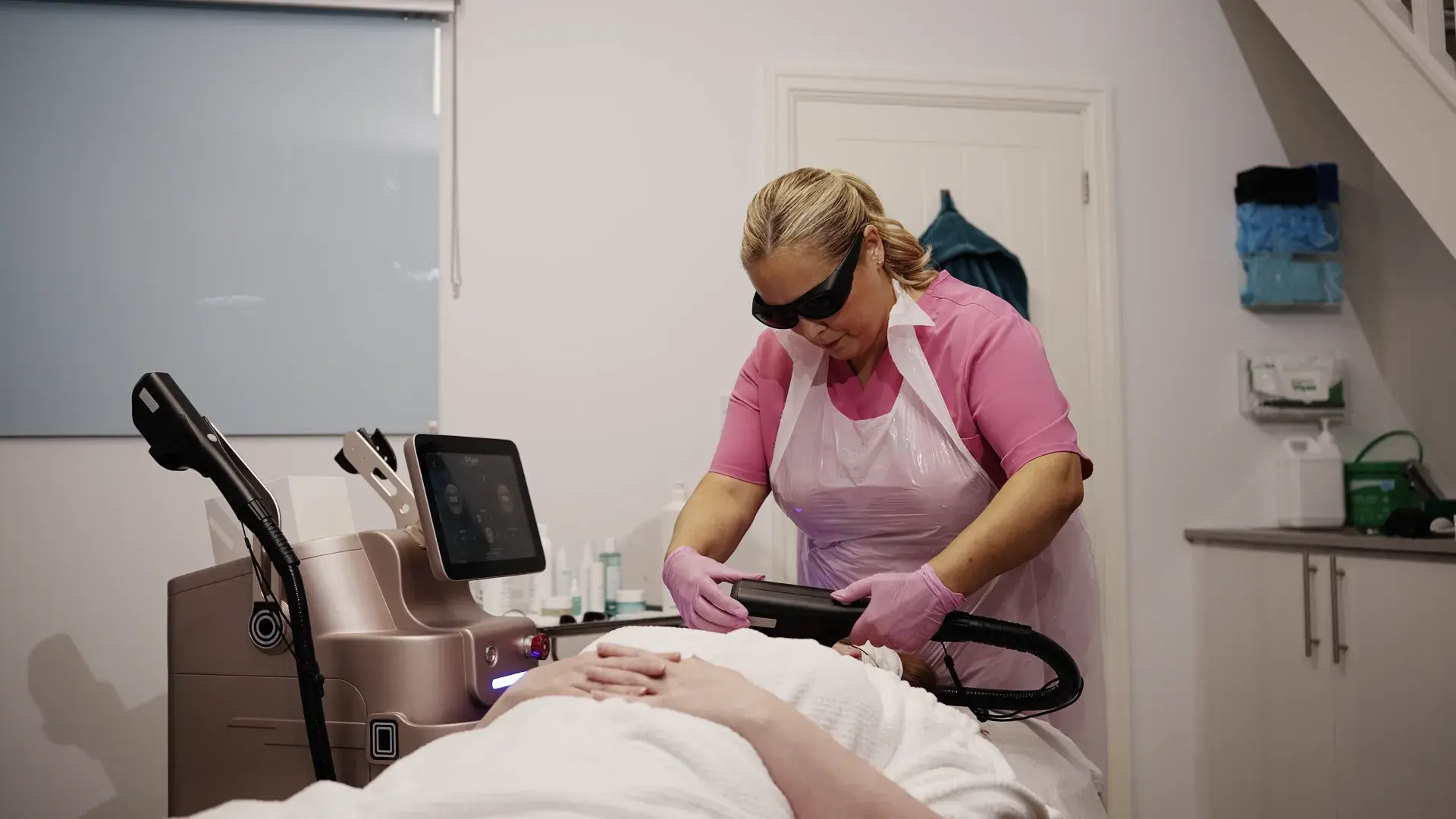 IPL Skin RejuvenationIPL skin rejuvenation uses intense pulsed light, a filtered broad-spectrum light rather than a laser, to treat facial redness, visible vessels, superficial pigmentation and sun damage. At Naomi Waite Aesthetics in Lancaster it is used for photorejuvenation of areas such as the face, neck, chest and hands, after a consultation to confirm your skin is suitable.Find out more
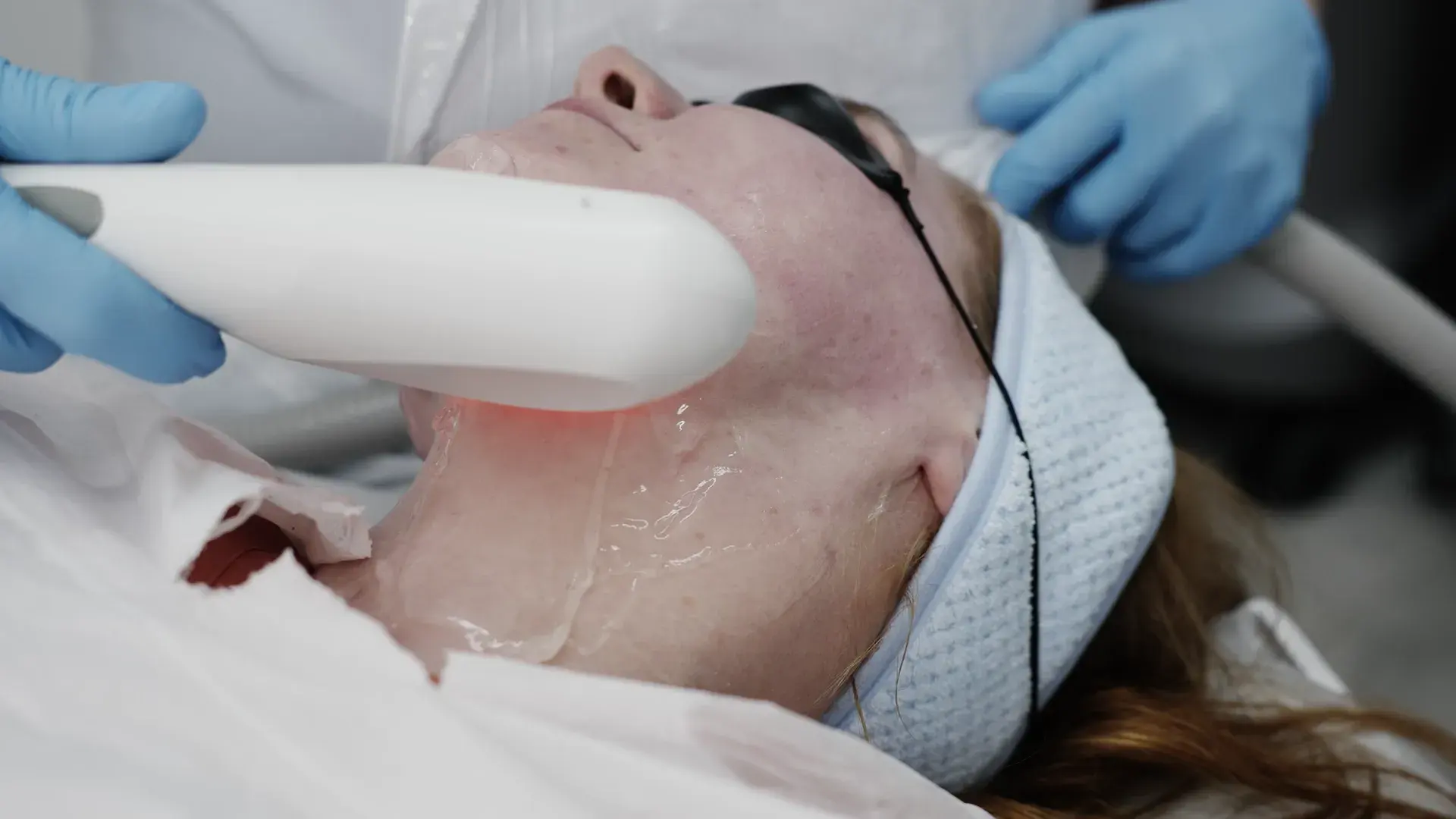 NIR Skin TighteningNIR skin tightening is an energy-based treatment that uses near-infrared energy to produce controlled warming of the skin's tissue. At Naomi Waite Aesthetics in Lancaster it is used for skin rejuvenation and as a supportive part of tightening programmes, for concerns such as skin laxity, fine lines and dull skin, after a consultation.Find out more
 LED Light TherapyLED light therapy is a non-ablative, low-level light treatment that uses selected wavelengths of light to influence how skin cells respond, without removing the skin's surface. At Naomi Waite Aesthetics in Lancaster it is used on its own or alongside other treatments, including in selected acne and skin-recovery programmes, after a consultation.Find out more
How the options for facial redness differ
| Feature | IPL Skin Rejuvenation | NIR Skin Tightening | LED Light Therapy |
|---|---|---|---|
| Type of treatment | Intense pulsed light, a filtered broad-spectrum light (not a laser) | Near-infrared energy that produces controlled warming of the skin | Low-level LED light therapy |
| Role for redness | The main vascular-focused option for redness and visible vessels | A supportive treatment, where appropriate | A supportive treatment, where appropriate |
Frequently asked questions
Facial redness happens when small blood vessels near the surface widen or become more visible. Common causes include rosacea, sun damage, sensitive skin and triggers such as heat, alcohol and spicy food. Often several factors are involved, and persistent redness is worth discussing with your GP.
There is no single best treatment for everyone. IPL is the main option we use for redness and visible vessels where suitable, and supportive treatments such as LED or NIR may be considered alongside it. Your practitioner will assess your skin and triggers at consultation before recommending a plan.
It varies with the cause and extent of your redness and the treatment chosen. Many people have a course of treatments, and some choose occasional maintenance sessions. Your practitioner will give you a realistic idea at consultation.
Comfort levels vary with the treatment chosen and from person to person. Your practitioner will explain what you are likely to feel, and how any discomfort is managed, before treatment begins.
It depends on the treatment. Some temporary redness or warmth afterwards is common with light-based treatments, and how long it lasts varies from person to person. You will be told what to expect and given aftercare to follow, including sun protection.
It can. Treatment aims to reduce the appearance of redness and visible vessels, but triggers such as sun, heat and alcohol, and conditions such as rosacea, can lead to new redness over time. Sun protection, gentle skincare and avoiding your own triggers all help.
Suitability depends on your skin type, tone and history, and some light-based treatments suit certain skin types better than others. Recent sun exposure, some medications and certain medical conditions also need to be discussed. Your practitioner will check all of this at consultation.
The cost depends on the treatment chosen, the area treated and how many sessions you need. Current prices are listed on our prices page, and your practitioner will confirm the cost of your plan at your consultation in Lancaster.
No. IPL stands for intense pulsed light, a filtered broad-spectrum light, whereas a laser uses light at a specific wavelength. Both are light-based, but they are different technologies, and IPL is the main option we use for redness and visible vessels where suitable.
Book Your Free Consultation
Tell us your goals. We'll tell you exactly what's possible and build a plan to get you there.