
Skin Laxity
Skin that feels less firm than it used to is one of the most common changes we are asked about. This guide explains what skin laxity is, why it happens and how we help you choose a realistic non-surgical approach.
Quick answer
Skin laxity is a loss of firmness and elasticity that makes skin look looser, softer or crepey, often around the jawline, neck and eyes and on the body. It develops with age, sun exposure and weight changes. At Naomi Waite Aesthetics in Lancaster, non-surgical treatments can help improve skin firmness, chosen after a consultation.
What is skin laxity?
Skin laxity simply means skin that has lost some of its firmness and elasticity. Rather than springing back, it begins to look looser or softer, and in some areas it can develop a fine, crinkled texture often described as crepey skin. It usually develops slowly, so many people notice it first in photographs or when they catch themselves from a different angle.
On the face it is often first noticed as softening along the jawline, early jowls, hooding of the upper eyelids, or looser skin under the eyes and on the neck. On the body it commonly affects the upper arms, stomach, knees and inner thighs, particularly after weight loss or pregnancy.
Laxity ranges from mild to more advanced. Non-surgical treatments can help improve firmness in suitable cases, but they are not a replacement for surgery, and your practitioner will tell you honestly if your goals would be better discussed with a surgeon. Treatments that aim to improve firmness rely on the skin's own renewal, so results tend to develop gradually rather than immediately.
What causes skin laxity?
The skin's firmness comes from collagen and elastin, the proteins that give it structure and spring. From early adulthood the body gradually produces less of them, and existing fibres weaken over time, so skin slowly becomes thinner and less resilient.
Sun exposure speeds this up by breaking down collagen and elastin, and hormonal changes around the menopause can bring a noticeable change in firmness. Changes beneath the skin, such as the gradual loss of facial volume with age, also affect how the skin sits. After significant weight loss, skin that was stretched may have less elasticity to retract, and smoking adds to collagen breakdown.
Your practitioner will assess the degree of laxity, your skin quality and the area concerned, as these shape which treatment, if any, is likely to be appropriate for you. Laxity often appears alongside lines and texture changes, so your plan may address more than one concern.
- Natural ageing and reduced collagen and elastin
- Sun exposure and sun damage
- Hormonal changes, including the menopause
- Significant weight loss or weight changes
- Pregnancy
- Smoking
- Genetics
Related treatments
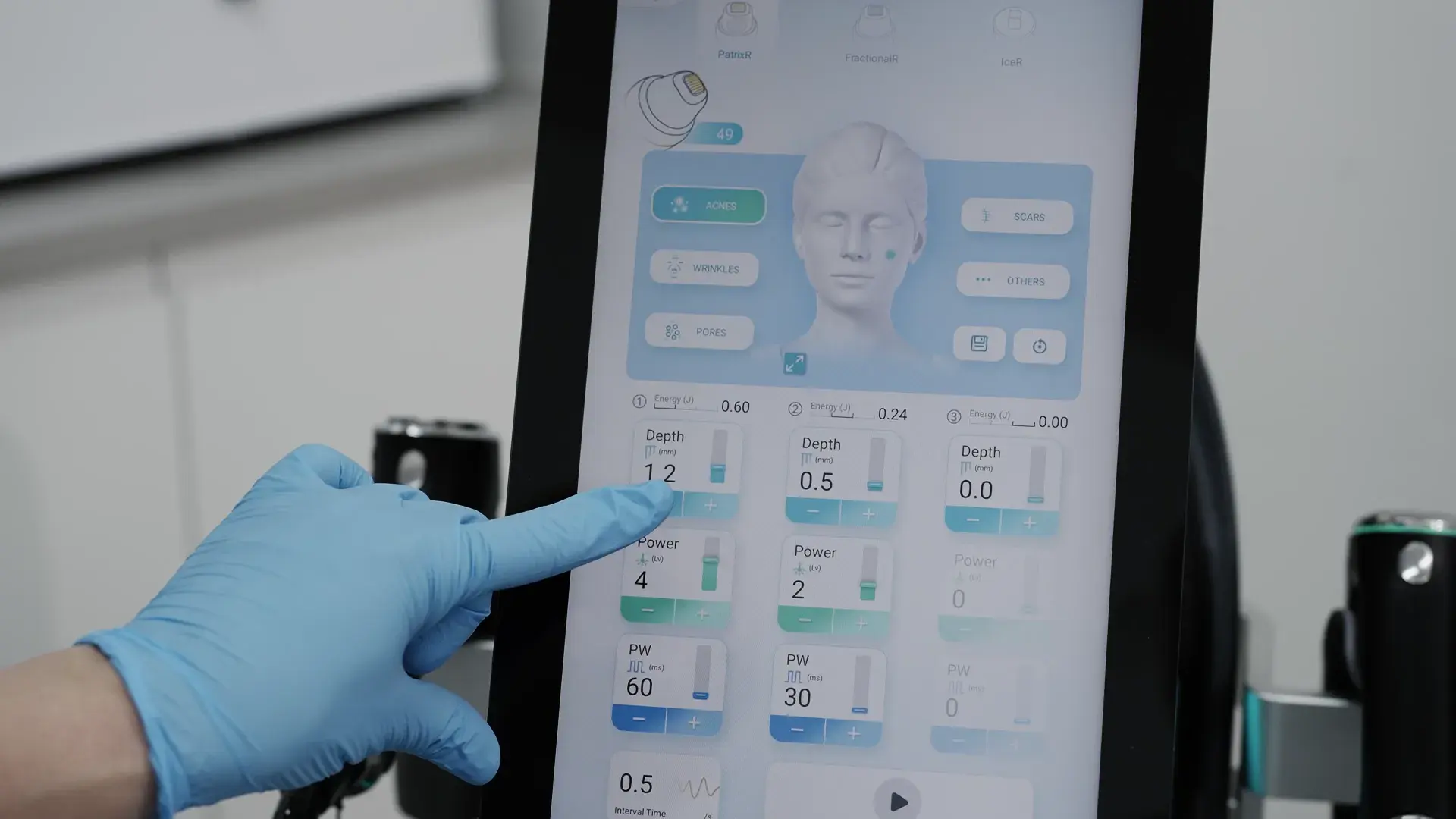
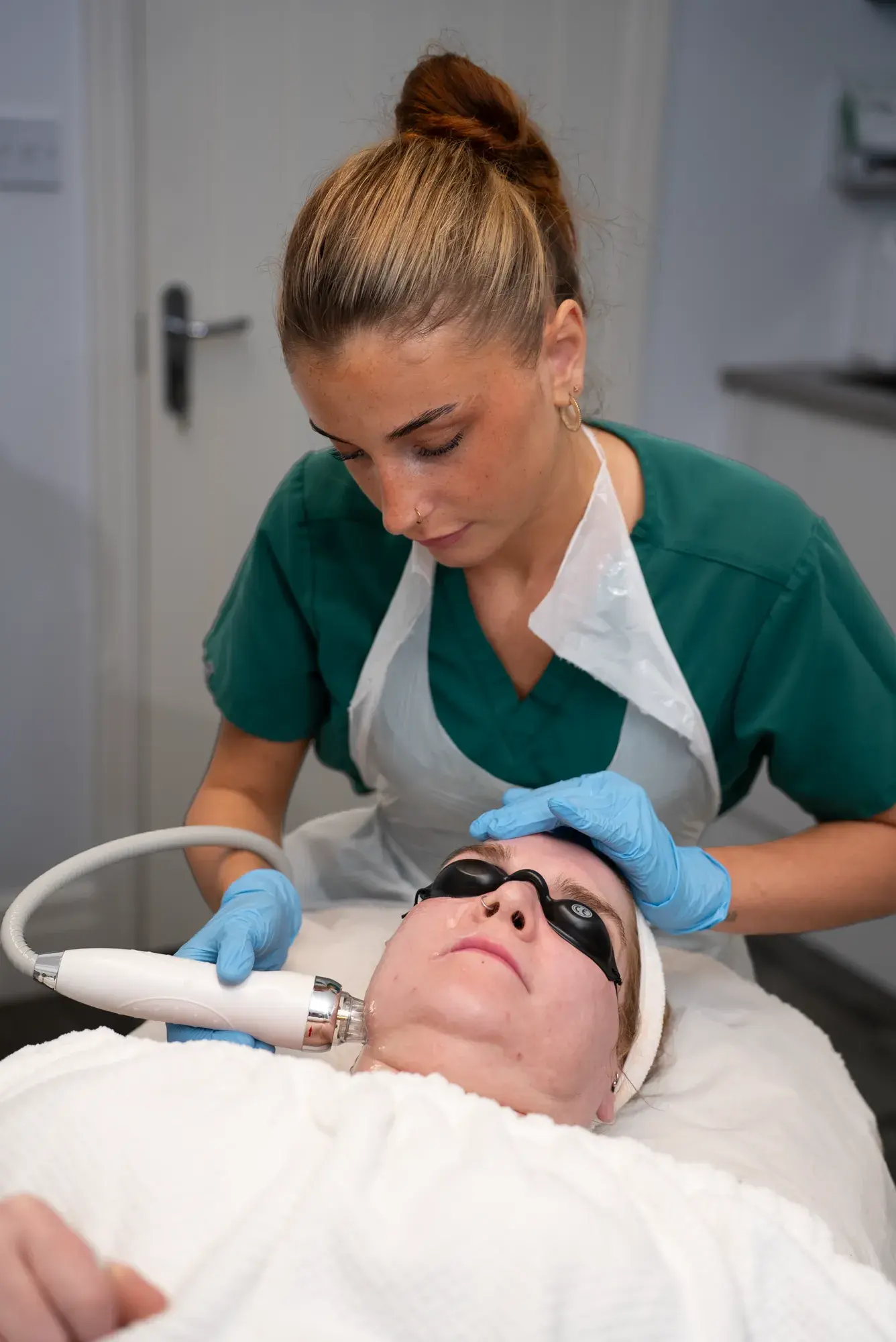 RF MicroneedlingRF microneedling combines fine needles with radiofrequency energy delivered at controlled depths, giving the skin both a mechanical and a thermal stimulus for collagen remodelling. At Naomi Waite Aesthetics in Lancaster it is used for acne scars, enlarged pores, texture, crepey skin, stretch marks and scars on the face and body, following a consultation.Find out more
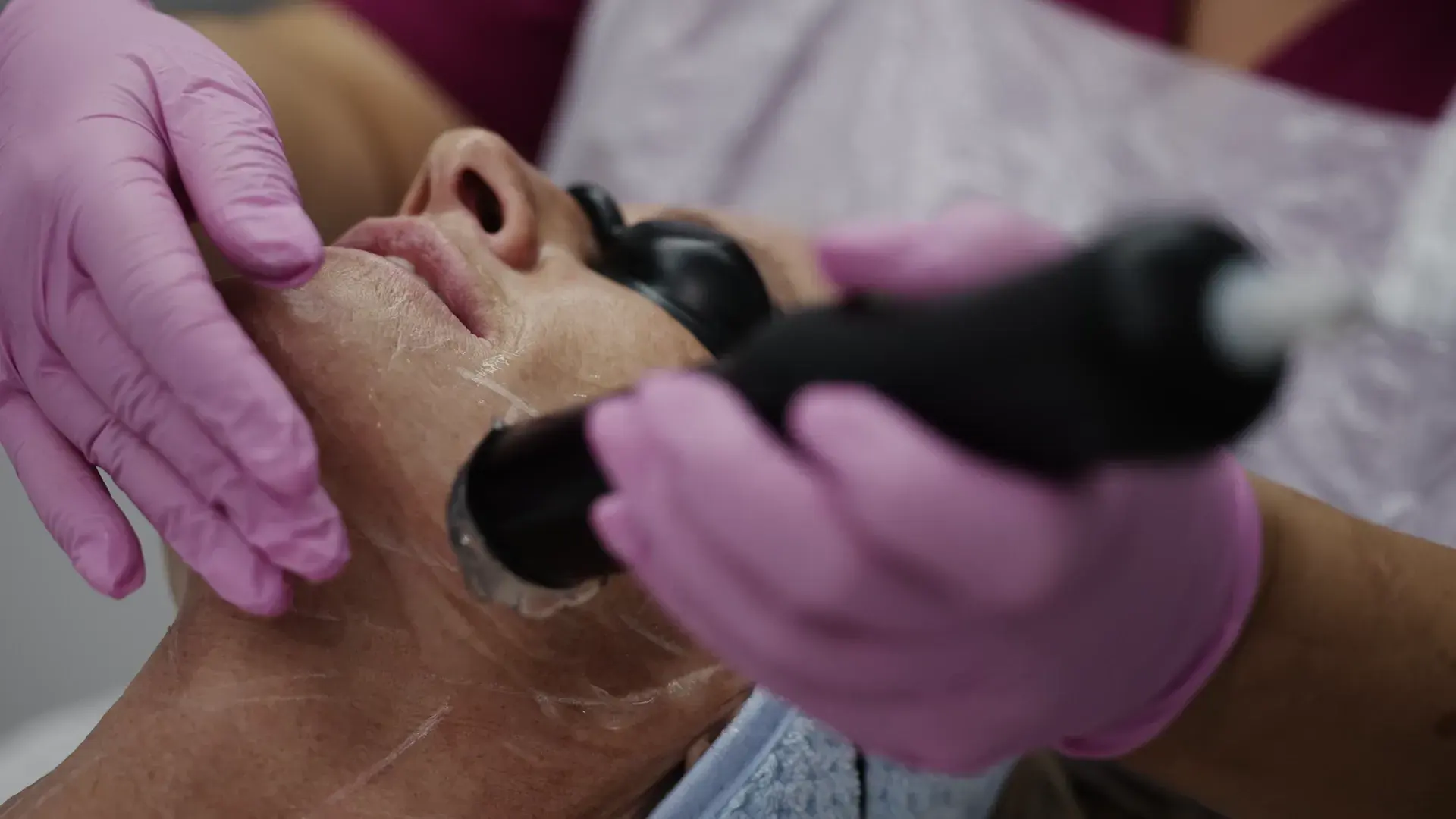 HIFUHIFU (high-intensity focused ultrasound) is a non-surgical treatment that focuses ultrasound energy at selected depths beneath the skin, creating small controlled heated zones that prompt remodelling. At Naomi Waite Aesthetics in Lancaster it is offered for selected face and body tightening concerns, such as skin laxity and crepey skin, after a consultation.Find out more
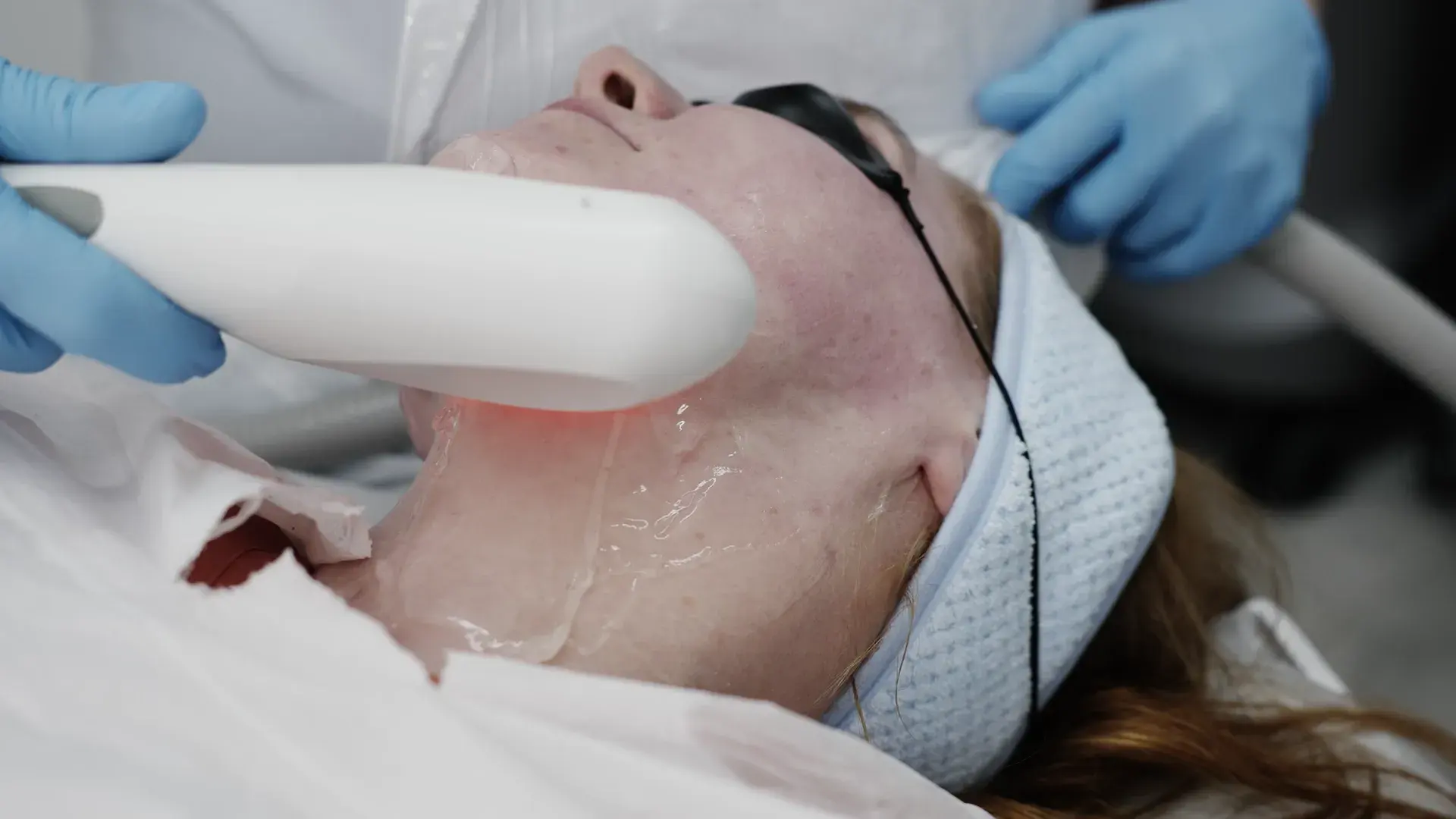 NIR Skin TighteningNIR skin tightening is an energy-based treatment that uses near-infrared energy to produce controlled warming of the skin's tissue. At Naomi Waite Aesthetics in Lancaster it is used for skin rejuvenation and as a supportive part of tightening programmes, for concerns such as skin laxity, fine lines and dull skin, after a consultation.Find out more
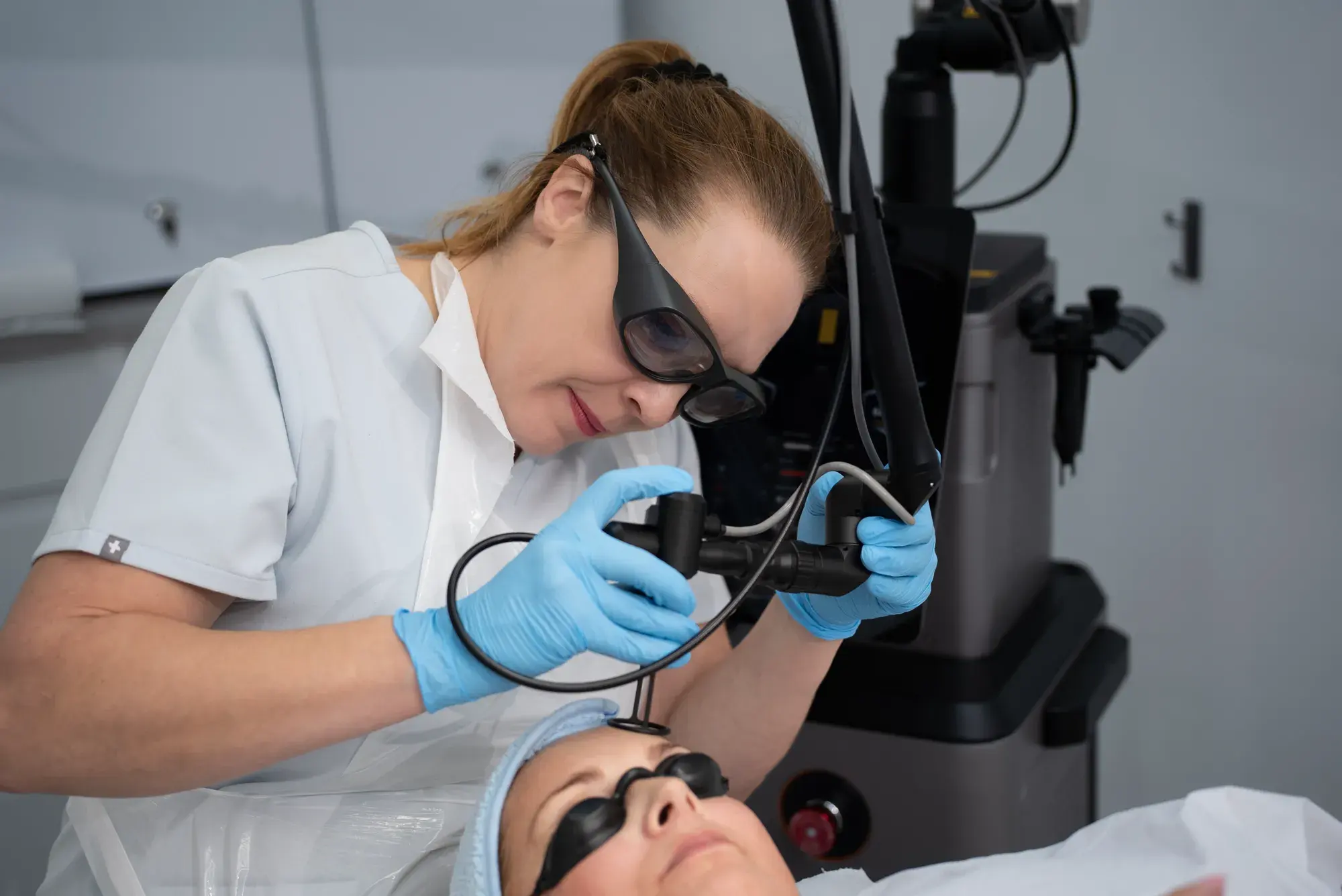 CO2 Fractional LaserCO2 fractional laser is an ablative resurfacing treatment that works on tiny columns of skin at a time, prompting the skin to repair itself and remodel collagen. At Naomi Waite Aesthetics in Lancaster it is used for concerns such as fine lines, acne scarring, uneven texture, enlarged pores and sun-related ageing, following a consultation.Find out more
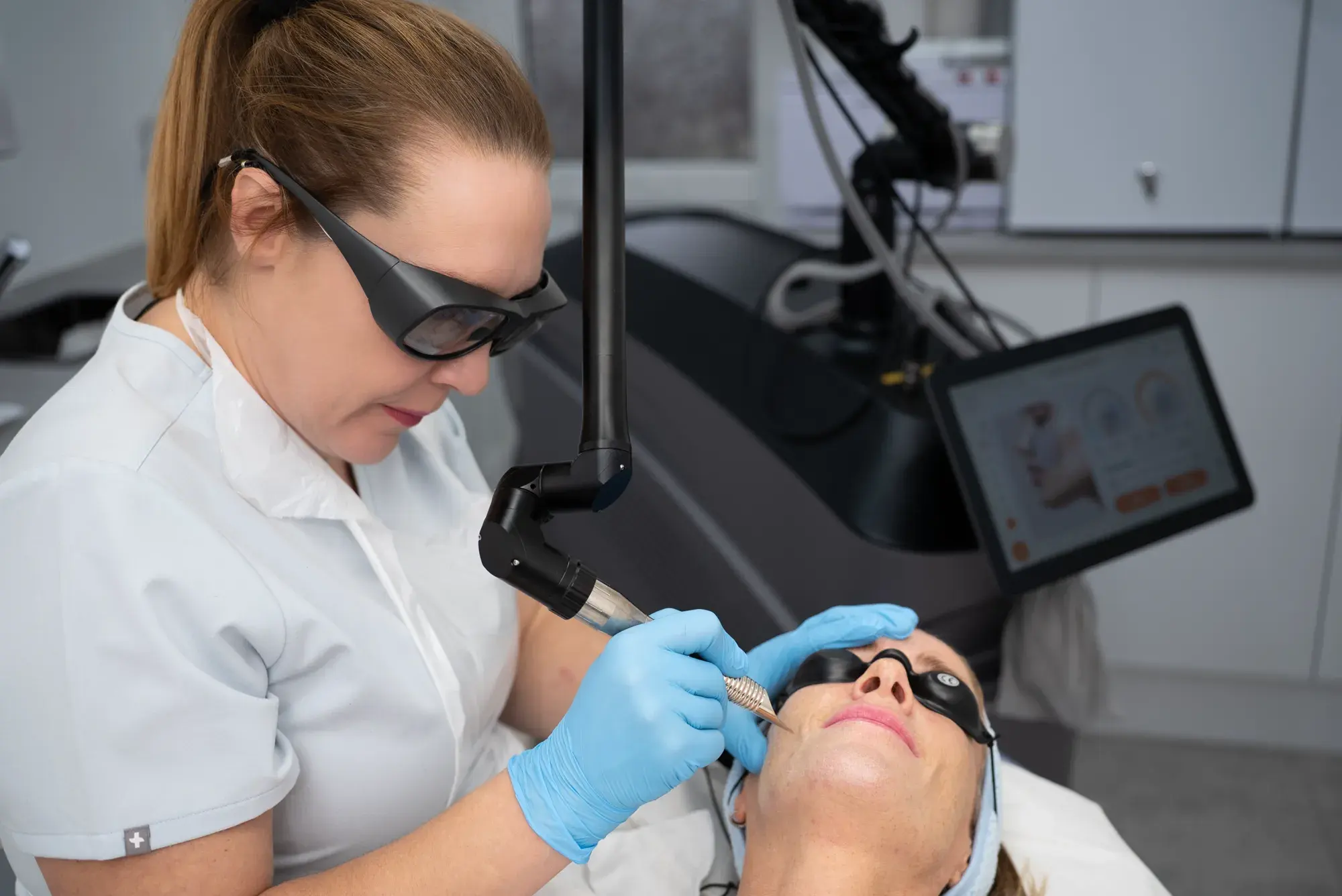 Er:YAG 2940 LaserEr:YAG 2940 laser, often called erbium laser, is an ablative resurfacing treatment. Its 2940 nm wavelength is strongly absorbed by water in the skin, which allows precise resurfacing. At Naomi Waite Aesthetics in Lancaster it is used for uneven texture, fine lines, sun-related ageing, enlarged pores and selected scarring, following a consultation.Find out more
 Plasma Skin TighteningPlasma skin tightening is a non-surgical treatment that uses a plasma pen to create tiny plasma arcs at the skin's surface, delivering controlled heat that aims to encourage the skin's own renewal. At Naomi Waite Aesthetics in Lancaster it is considered for fine lines, skin laxity, acne scarring and selected pigmentation, following consultation.Find out more
How the main groups of options differ
| Feature | Energy-based tightening (RF Microneedling, HIFU, NIR, Plasma) | Resurfacing lasers (CO2 and Er:YAG) |
|---|---|---|
| Type of treatment | Energy-based treatments that use controlled heat to prompt remodelling | Ablative laser resurfacing |
| Often considered for | Firmness and crepey skin on the face and body | Laxity alongside texture and fine lines |
Frequently asked questions
Skin laxity is caused mainly by the gradual loss of collagen and elastin with age. Sun damage, hormonal changes around the menopause, weight loss, pregnancy, smoking and genetics can all add to it. Changes in the deeper structures of the face also affect how the skin sits.
There is no single best treatment, because it depends on how much laxity you have, where it is and the quality of your skin. Some options focus on tightening, others on resurfacing or lift and support, and they are sometimes combined. Your practitioner will recommend a route after assessing your skin, and will be honest if surgery would suit your goals better.
This depends on the degree of laxity, the area and the treatment chosen. Some treatments are given as a course, and results from collagen remodelling tend to develop gradually. Your practitioner will give you a realistic idea at consultation.
Comfort levels vary with the treatment chosen and from person to person. Your practitioner will explain what you are likely to feel, and how any discomfort is managed, before treatment begins.
It depends on the treatment. Some options involve little disruption, while resurfacing lasers and needle-based treatments usually need more recovery time. You will be told what to expect for your chosen treatment and given aftercare to follow.
Treatment can help improve firmness, but it does not stop the natural ageing process, so skin will continue to change over time. Sun protection, a healthy lifestyle and occasional maintenance treatments can help you keep your results for longer.
Many people can be treated, but suitability depends on your skin type, the degree of laxity and your medical history, and some options suit certain skin types better than others. Your practitioner will assess all of this at consultation before recommending anything.
The cost depends on the treatment chosen, the area and how many sessions you need. Current prices are listed on our prices page, and your practitioner will confirm the cost of your plan at your consultation in Lancaster.
Book Your Free Consultation
Tell us your goals. We'll tell you exactly what's possible and build a plan to get you there.