
Crepey Body Skin
If the skin on your arms, knees or stomach has started to look thinner, looser or finely lined, you are not alone. This page explains what crepey skin is, why it develops and how the clinic helps you choose an approach.
Quick answer
Crepey body skin is thin, finely wrinkled skin that can look like crepe paper, often on the upper arms, knees, abdomen or chest. At Naomi Waite Aesthetics in Lancaster, options include RF Microneedling, HIFU and NIR Skin Tightening, with the right approach chosen at consultation based on your skin and goals.
What is crepey body skin?
Crepey skin describes skin that looks thin, finely wrinkled and slightly loose, with a texture some people compare to crepe paper. On the body, it often shows on the upper arms, above the knees, on the abdomen and inner thighs, and across the chest. It can appear on its own or alongside general skin laxity.
It often becomes more noticeable when you bend, stretch or lift your arms, and many people first notice it gradually. Some notice it most after losing weight, others after years of sun exposure, and for many it is simply part of how skin changes with time. It is very common, particularly with age, and it is not harmful, but it can affect how confident you feel in short sleeves, shorts or swimwear.
Crepey skin is different from deep folds or significant excess skin, which may need a different conversation. Your practitioner will look at the texture, thickness and laxity of the area to understand what is contributing and what non-surgical treatment may realistically help to improve. Sometimes more than one approach is discussed, as different energy-based treatments play different roles.
What causes crepey body skin?
Crepey skin develops when the skin's support structure changes. Collagen and elastin, the proteins that help keep skin firm and springy, naturally decline with age, and skin also tends to become thinner and drier over time. As a result, skin can lose some of its ability to bounce back after being stretched, so fine creases become more visible.
Common contributing factors include:
Daily sun protection on exposed areas is one of the simplest ways to help protect your skin, and keeping skin moisturised can help it look and feel more comfortable day to day. Treatment may help improve texture and firmness for some people, but skin continues to age naturally, so your practitioner will talk through realistic expectations.
- Natural ageing and the gradual loss of collagen and elastin
- Sun exposure over many years, one of the main contributors to skin ageing
- Significant weight changes, which can stretch the skin
- Pregnancy
- Hormonal changes, including menopause
- Smoking, which is linked with premature skin ageing
- Genetics, which influence how your skin ages
Related treatments
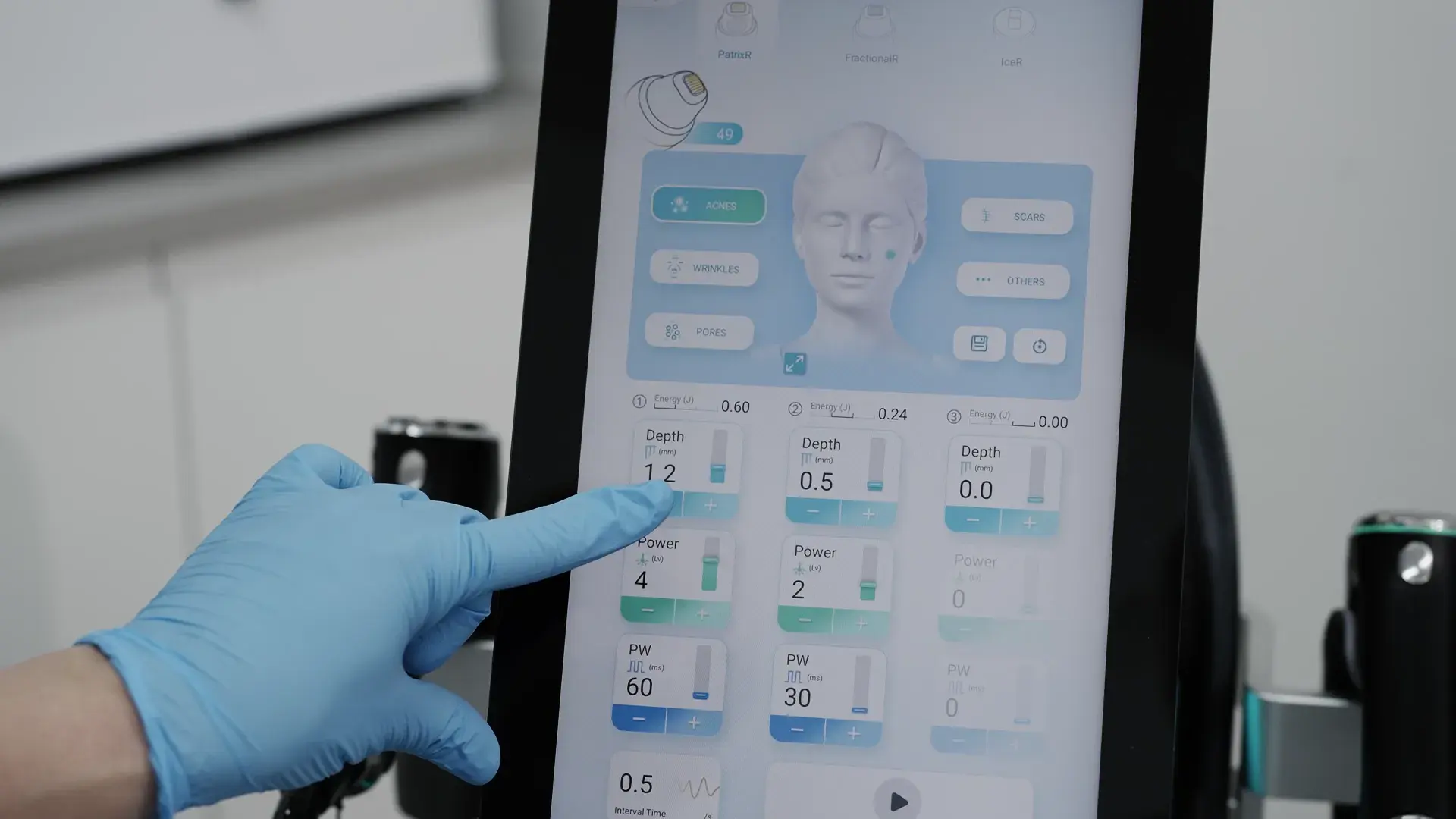
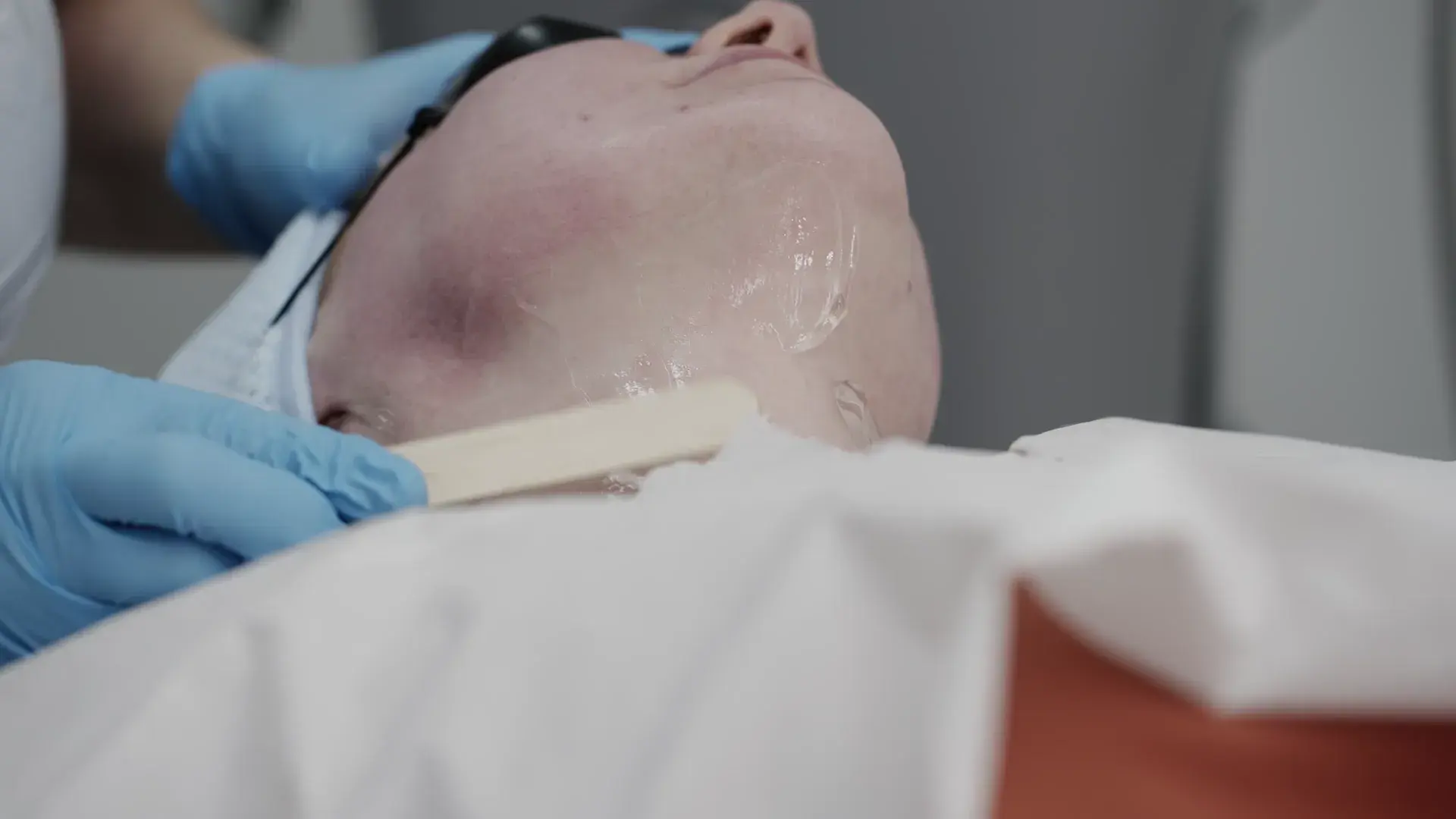
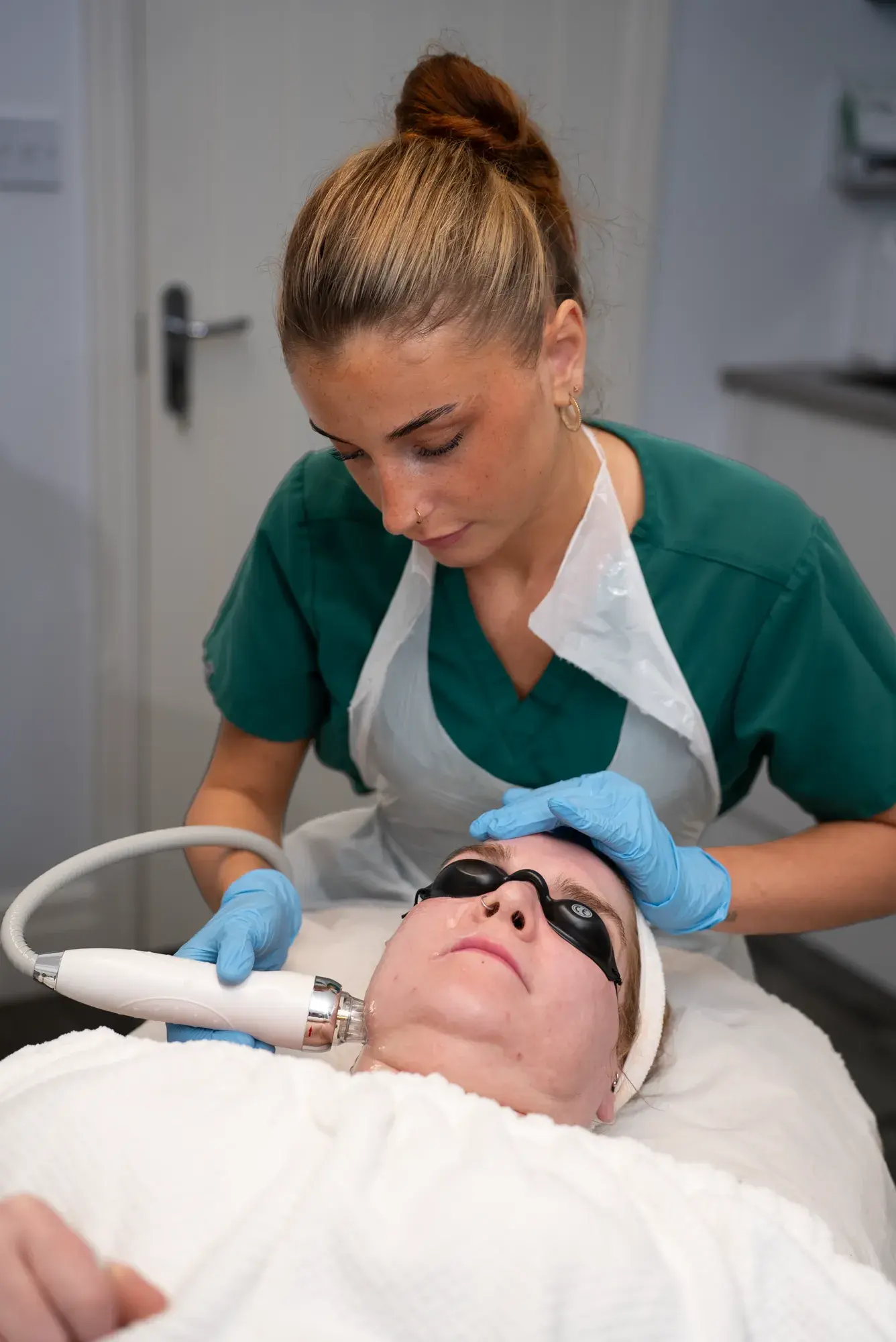 RF MicroneedlingRF microneedling combines fine needles with radiofrequency energy delivered at controlled depths, giving the skin both a mechanical and a thermal stimulus for collagen remodelling. At Naomi Waite Aesthetics in Lancaster it is used for acne scars, enlarged pores, texture, crepey skin, stretch marks and scars on the face and body, following a consultation.Find out more
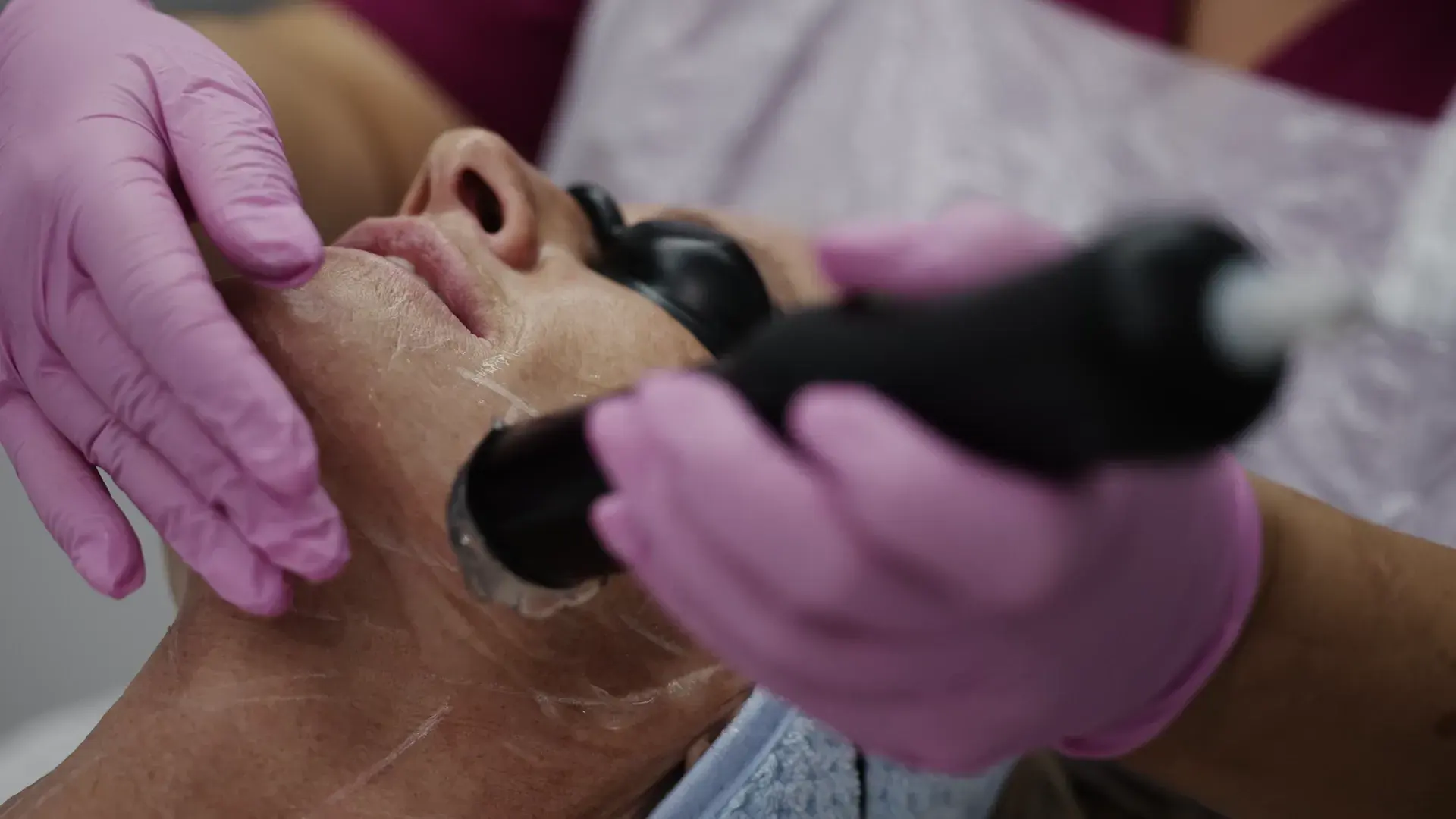 HIFUHIFU (high-intensity focused ultrasound) is a non-surgical treatment that focuses ultrasound energy at selected depths beneath the skin, creating small controlled heated zones that prompt remodelling. At Naomi Waite Aesthetics in Lancaster it is offered for selected face and body tightening concerns, such as skin laxity and crepey skin, after a consultation.Find out more
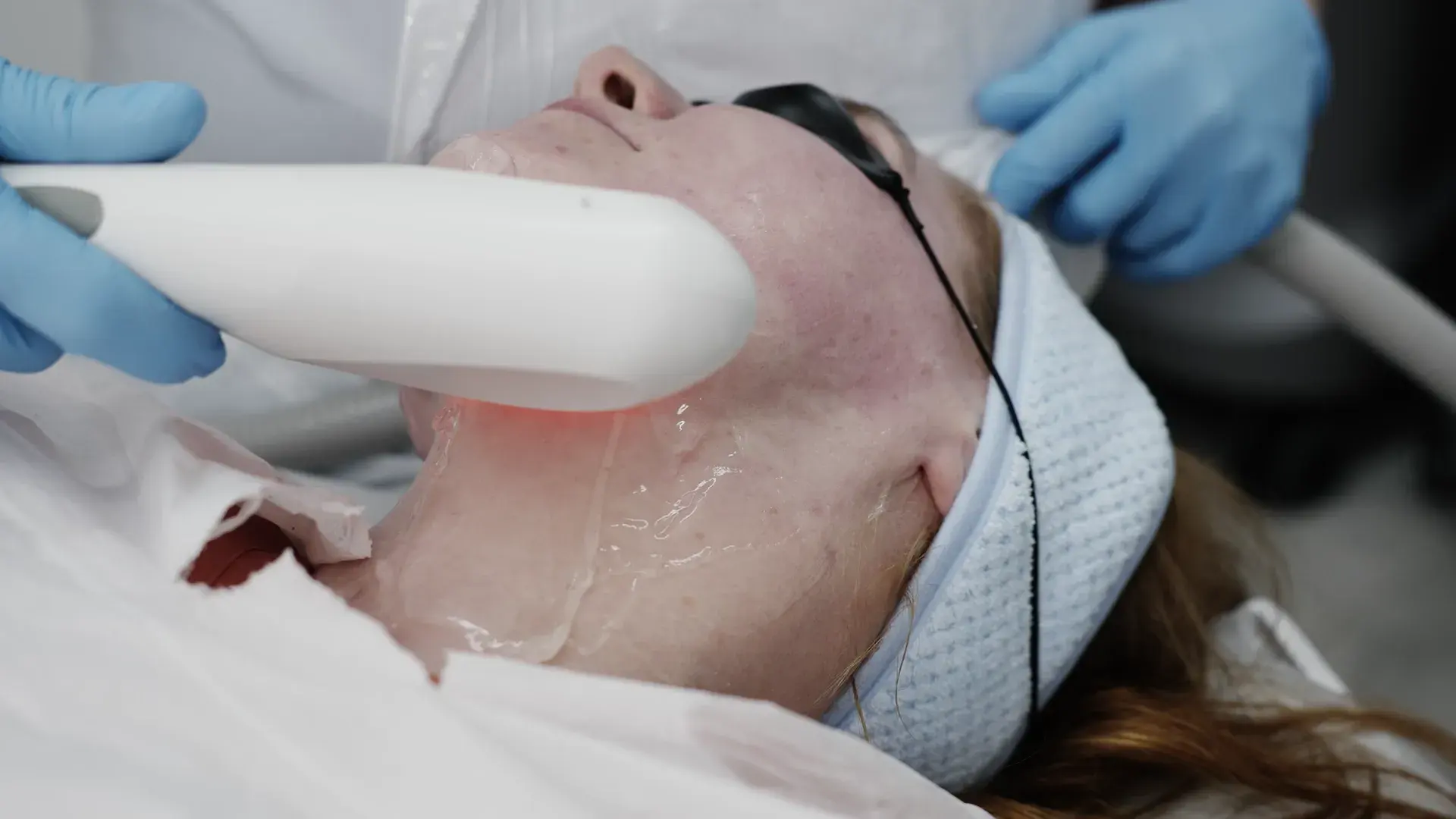 NIR Skin TighteningNIR skin tightening is an energy-based treatment that uses near-infrared energy to produce controlled warming of the skin's tissue. At Naomi Waite Aesthetics in Lancaster it is used for skin rejuvenation and as a supportive part of tightening programmes, for concerns such as skin laxity, fine lines and dull skin, after a consultation.Find out more
RF Microneedling, HIFU and NIR Skin Tightening at a glance
| Feature | RF Microneedling | HIFU | NIR Skin Tightening |
|---|---|---|---|
| Energy used | Radiofrequency, delivered through fine needles | Focused ultrasound | Near-infrared energy |
| Needles involved | Yes | No | No |
| How the choice is made | At consultation, based on your skin and the area | At consultation, based on your skin and the area | At consultation, based on your skin and the area |
Frequently asked questions
Crepey skin develops as collagen and elastin naturally decline and the skin becomes thinner with age. Sun exposure over the years, significant weight changes, pregnancy, hormonal changes, smoking and genetics can all contribute.
No single treatment is best for everyone. The clinic offers RF Microneedling, HIFU and NIR Skin Tightening, which use different types of energy, and your practitioner will recommend an approach based on your skin, the area and your goals.
This varies with the treatment chosen, the area and how your skin responds, so it is not possible to give a fixed number in advance. Your practitioner will explain what a course may involve at consultation.
Comfort varies between treatments, areas and people. Your practitioner will explain what your recommended treatment feels like and how comfort is managed before you begin.
What to expect afterwards depends on the treatment chosen and your skin. Your practitioner will explain this, along with your aftercare, before you book.
Skin continues to age naturally after treatment, so any improvement is not permanent. Protecting your skin from the sun and looking after it day to day can help, and your practitioner can talk through whether further treatments may be worth considering.
Suitability depends on your skin type, the area and your medical history, and some treatments may suit your skin better than others. Your practitioner will assess your skin at consultation before recommending anything.
Current prices are listed on our prices page. The cost of your plan depends on the treatment recommended, the area and your goals, and your practitioner will confirm this at consultation before any treatment is booked.
Book Your Free Consultation
Tell us your goals. We'll tell you exactly what's possible and build a plan to get you there.