
Enlarged Pores & Texture
Visible pores and uneven texture can make skin look less smooth than you would like, even under makeup. This guide explains why they develop and how we help you choose the right way to improve them.
Quick answer
Enlarged pores are openings in the skin that look more visible than usual, often on the nose, cheeks and forehead, and they frequently come with uneven or rough texture. They are linked to oil production, ageing and sun damage. At Naomi Waite Aesthetics in Lancaster, several treatments can help refine their appearance after a consultation.
What are enlarged pores and uneven texture?
Pores are the small openings in the skin through which oil and sweat reach the surface, and everyone has them. They become a concern when they look larger or more visible than usual, most often across the nose, the centre of the cheeks, the forehead and the chin.
Uneven texture often goes hand in hand with enlarged pores. It can show up as roughness, small bumps, dullness or light catching unevenly on the skin, and it may include shallow marks left by past breakouts. Many people notice both concerns most across the T-zone, and find that makeup can settle into pores and emphasise texture.
Pore size is largely set by genetics, so pores cannot be closed or made to disappear. Treatment instead aims to make them look smaller and less noticeable, and to leave the skin's surface looking smoother and more even. Improvement usually comes from keeping pores clear and supporting firmer, healthier skin around them.
What causes enlarged pores and uneven texture?
Oily skin is one of the most common reasons pores look larger. When the skin produces more oil, pores can become stretched and congested with oil and dead skin cells, which makes them more visible. This is why enlarged pores are often seen in people with oily or acne-prone skin. Hormones influence oil production, so pores can look more prominent in the teenage years or at other times of hormonal change.
With age and sun exposure, the skin around each pore loses collagen and elasticity, so it offers less support and pores can look more open. A slower rate of skin renewal also leaves dead cells on the surface, adding to a rough or dull texture. Squeezing or picking at spots can also damage the skin and leave pores and texture looking worse.
Your practitioner will look at whether oil, congestion, ageing or scarring is the main factor for you, as that guides which treatment is most likely to help.
- Genetics and natural skin type
- Oily or combination skin
- Congestion from oil and dead skin cells
- Ageing and loss of collagen and elasticity
- Sun damage
- Hormonal changes that increase oil production
- Past acne and scarring
- Picking or squeezing spots
Related treatments
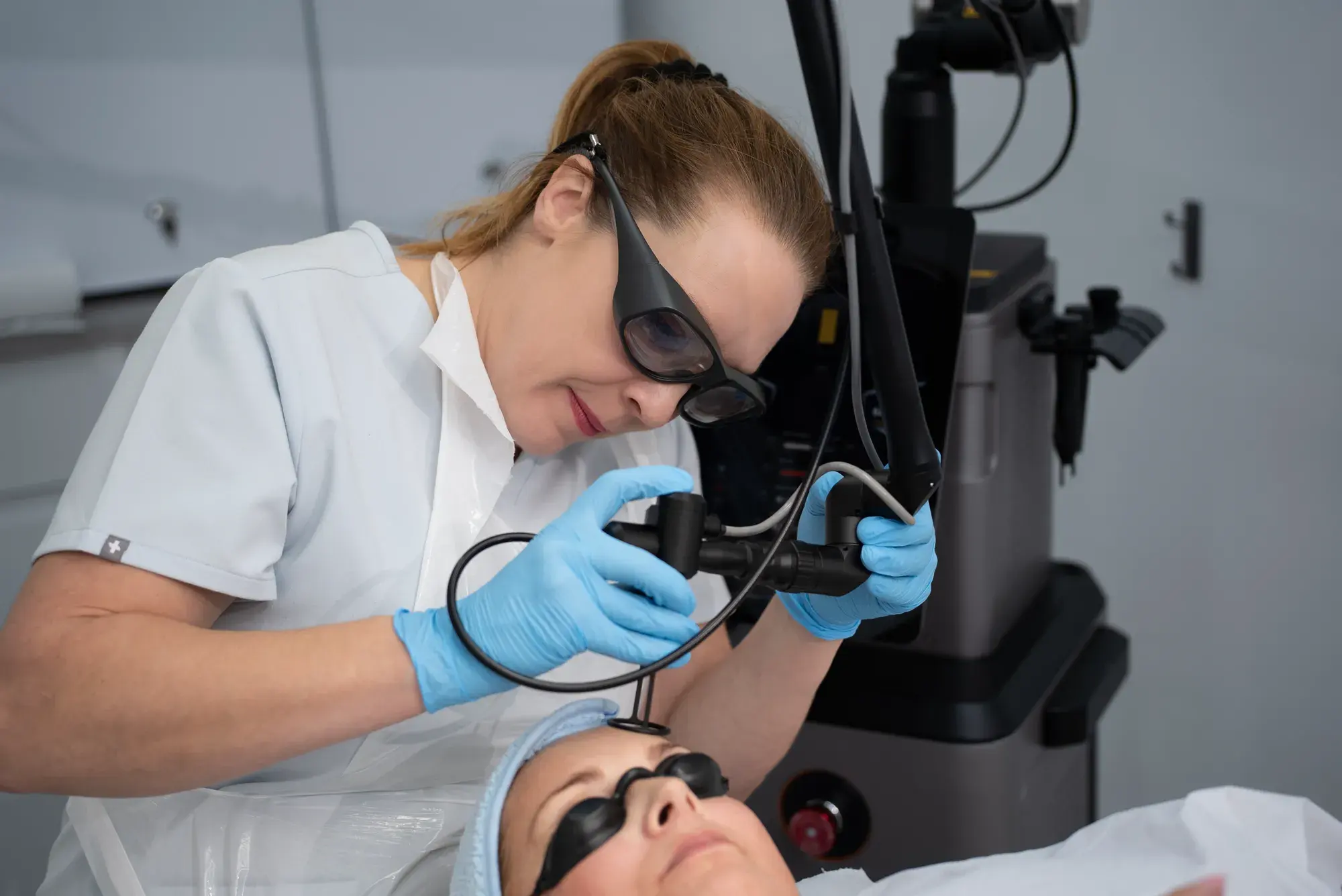 CO2 Fractional LaserCO2 fractional laser is an ablative resurfacing treatment that works on tiny columns of skin at a time, prompting the skin to repair itself and remodel collagen. At Naomi Waite Aesthetics in Lancaster it is used for concerns such as fine lines, acne scarring, uneven texture, enlarged pores and sun-related ageing, following a consultation.Find out more
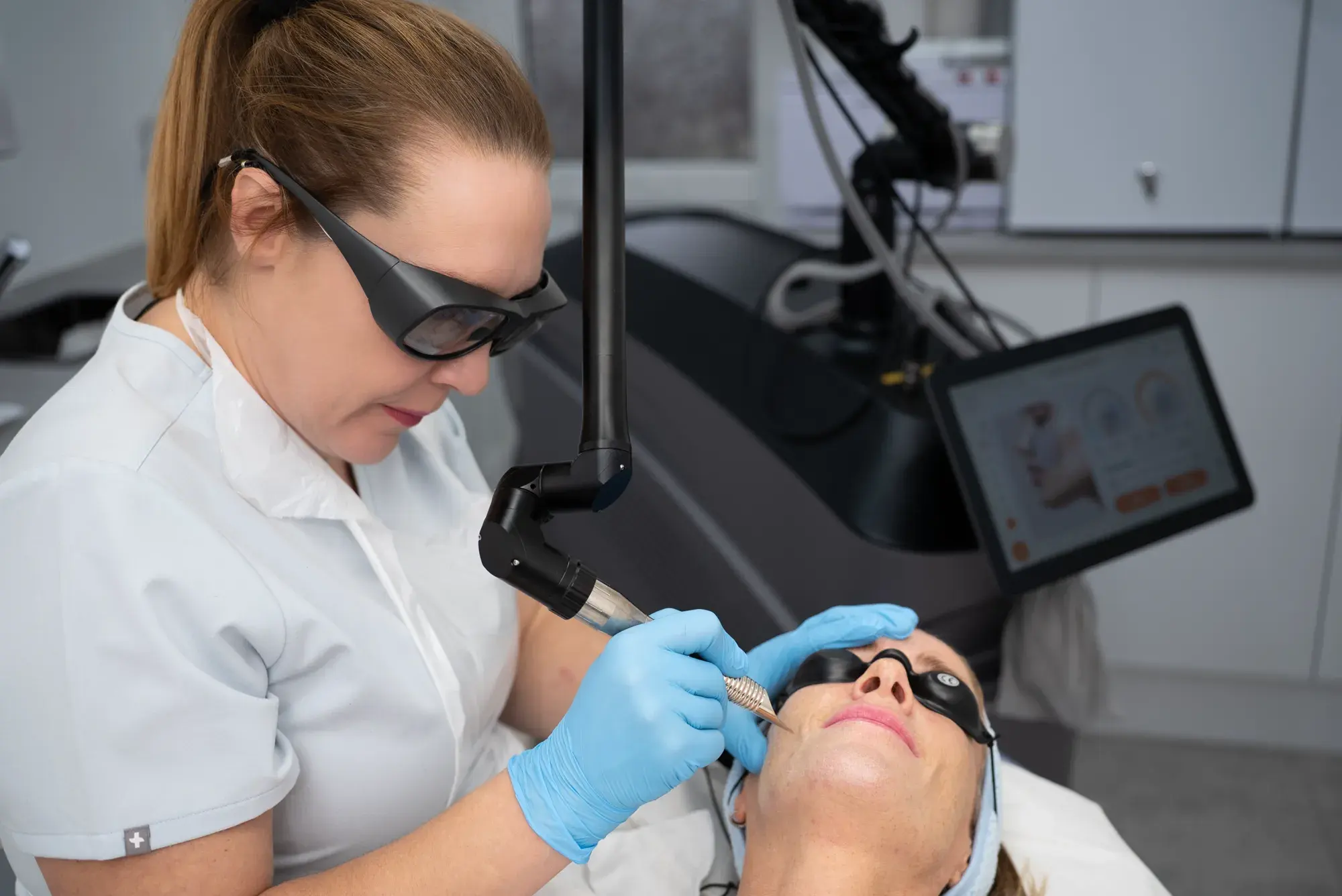 Er:YAG 2940 LaserEr:YAG 2940 laser, often called erbium laser, is an ablative resurfacing treatment. Its 2940 nm wavelength is strongly absorbed by water in the skin, which allows precise resurfacing. At Naomi Waite Aesthetics in Lancaster it is used for uneven texture, fine lines, sun-related ageing, enlarged pores and selected scarring, following a consultation.Find out more
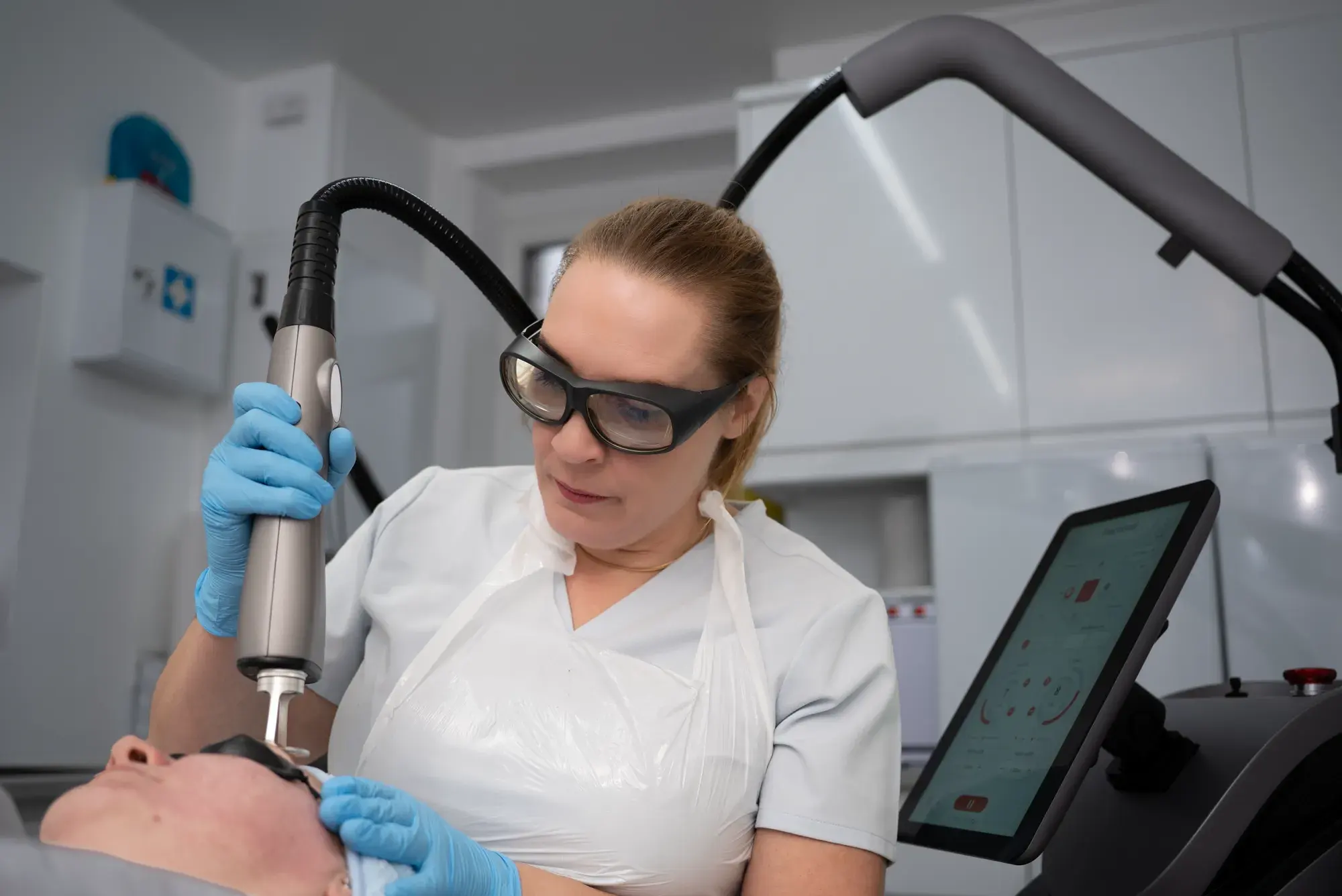 Thulium 1927/1550The Thulium 1927/1550 is a dual-wavelength fractional laser that treats the skin in microscopic zones. It is not an ablative resurfacing laser. At Naomi Waite Aesthetics in Lancaster it is used mainly for pigmentation, sun damage, uneven tone, texture and fine lines, with suitability for your skin confirmed at consultation.Find out more
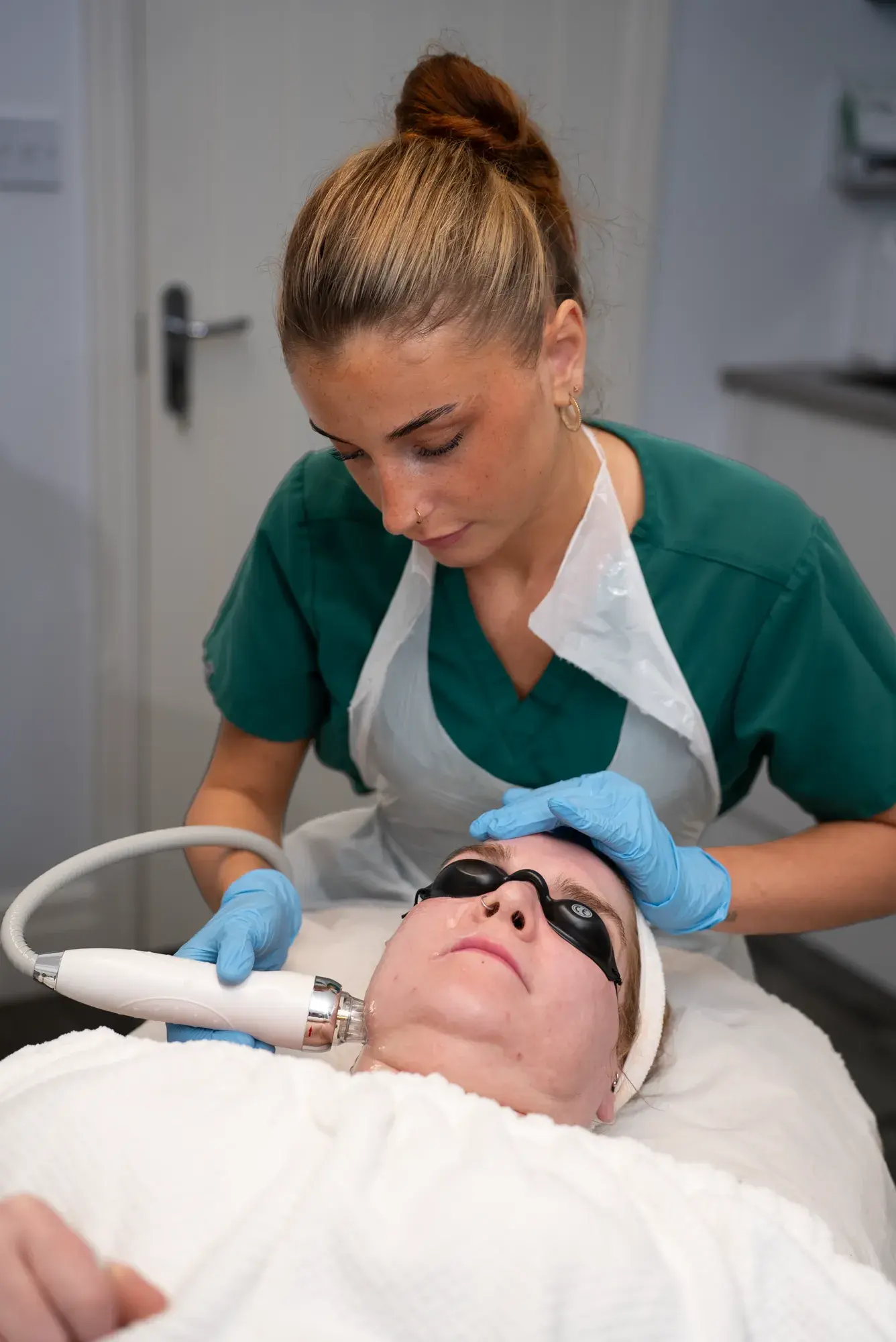 RF MicroneedlingRF microneedling combines fine needles with radiofrequency energy delivered at controlled depths, giving the skin both a mechanical and a thermal stimulus for collagen remodelling. At Naomi Waite Aesthetics in Lancaster it is used for acne scars, enlarged pores, texture, crepey skin, stretch marks and scars on the face and body, following a consultation.Find out more
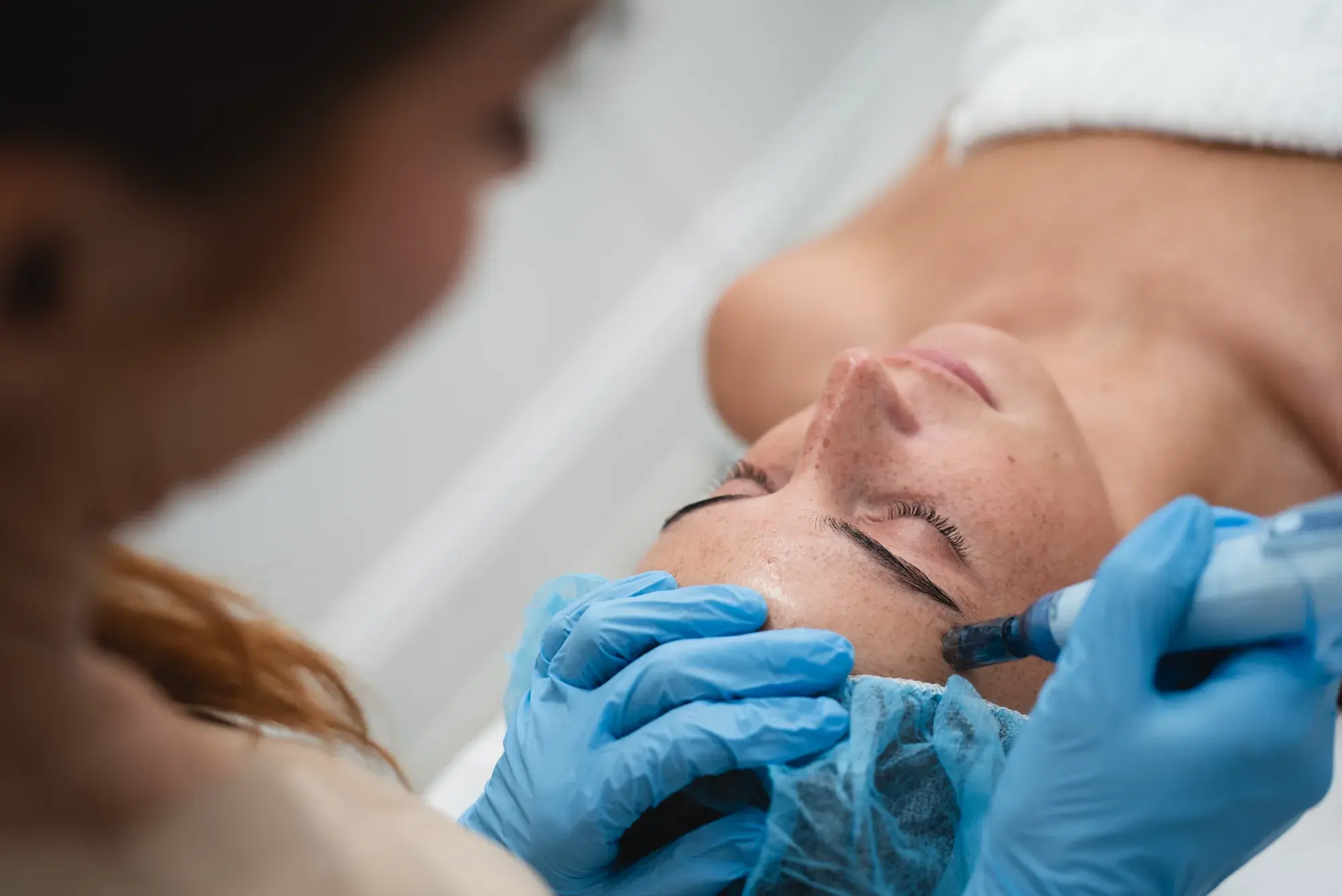 MicroneedlingMicroneedling, also called collagen induction therapy, uses fine needles to create controlled micro-injuries in the skin, prompting its natural wound-healing and remodelling response. At Naomi Waite Aesthetics in Lancaster it is considered for skin texture, enlarged pores, fine lines, selected scarring and stretch marks, following a consultation.Find out more
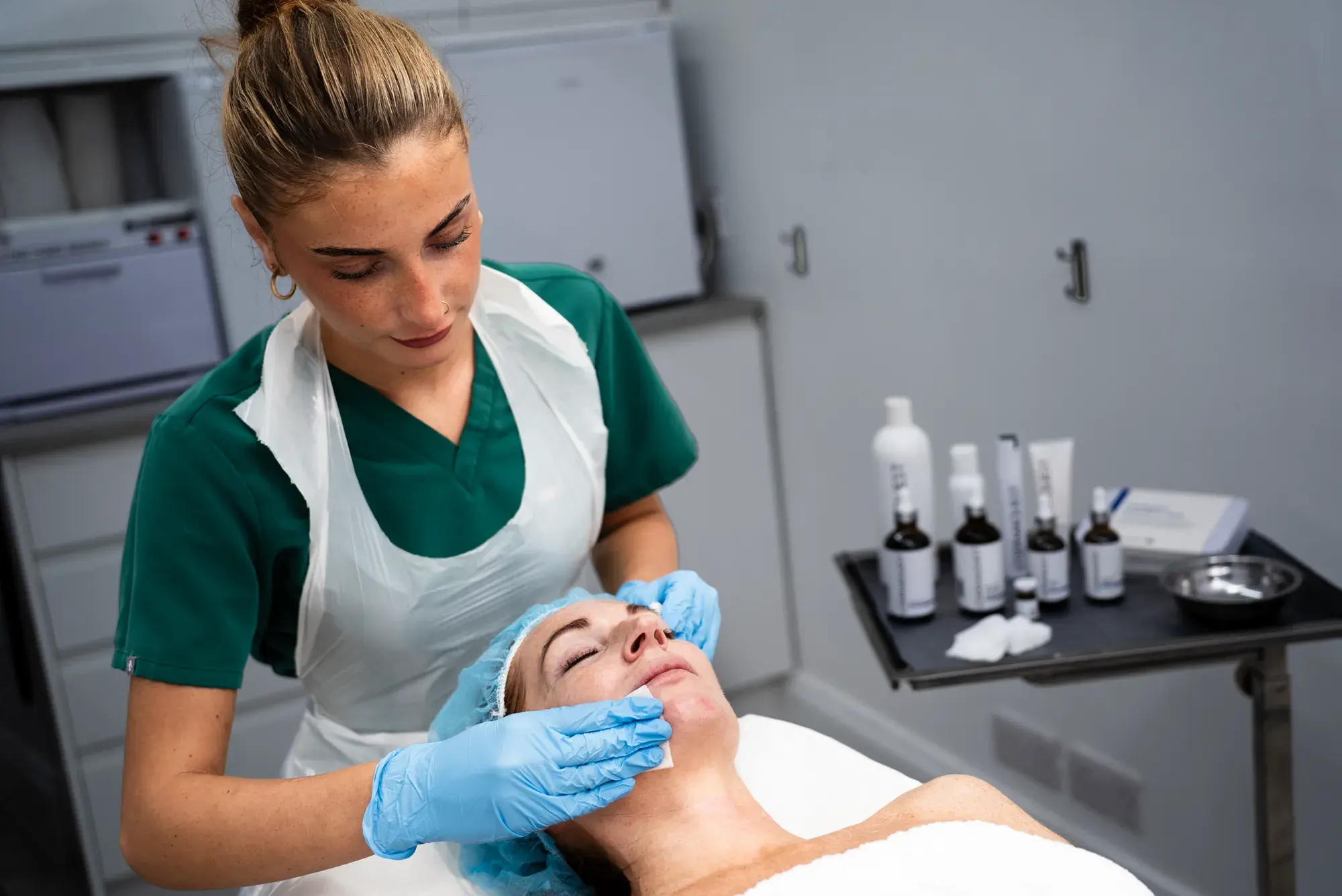 DermaQuest PeelsA chemical peel is a professional treatment that uses controlled topical acids or resurfacing formulations to speed up exfoliation and skin renewal. At Naomi Waite Aesthetics in Lancaster, DermaQuest peels and resurfacers are used for pigmentation, sun damage, congestion, post-acne marks, texture, fine lines, enlarged pores and dullness, at a level chosen for your skin.Find out more
How the main options for pores and texture differ
| Feature | Laser treatments (CO2, Er:YAG, Thulium) | Microneedling and RF Microneedling | DermaQuest Peels |
|---|---|---|---|
| Type of treatment | Laser | Fine needles, with or without radiofrequency energy, to prompt the skin's remodelling response | Professional chemical peels and resurfacers |
| Often considered for | Texture, enlarged pores, fine lines and sun-related ageing | Enlarged pores, texture and selected scarring | Congestion, enlarged pores, texture and dullness |
Frequently asked questions
Enlarged pores are mainly linked to genetics and oily skin, as extra oil and congestion stretch the pore opening. With age and sun damage the skin around each pore loses support, and slower skin renewal can leave texture rougher. Past acne can also leave uneven texture behind.
There is no single best treatment, because it depends on whether oil, congestion, ageing or scarring is the main factor, and on your skin type. Peels, microneedling, RF microneedling and laser treatments each have a different role. Your practitioner will recommend a route after assessing your skin, including with skin analysis.
It varies with your skin, the cause and the treatment chosen. Many treatments are given as a course, and some people choose maintenance sessions afterwards. Your practitioner will give you a realistic idea at consultation.
Comfort levels vary with the treatment chosen and from person to person. Your practitioner will explain what you are likely to feel, and how any discomfort is managed, before treatment begins.
It depends on the treatment. Some options involve little disruption, while needle-based and resurfacing treatments usually need more recovery time. You will be told what to expect for your chosen treatment and given aftercare to follow.
Treatment can help pores look smaller and texture smoother, but pore size is largely genetic and oil production, congestion and ageing continue. A suitable home skincare routine, sun protection and occasional maintenance treatments help you keep your results for longer.
Many skin types can be treated, but some options suit certain skin types and tones better than others, and active breakouts may need calming first. Your practitioner will assess your skin before recommending anything.
The cost depends on the treatment chosen, the area and how many sessions you need. Current prices are listed on our prices page, and your practitioner will confirm the cost of your plan at your consultation in Lancaster.
Book Your Free Consultation
Tell us your goals. We'll tell you exactly what's possible and build a plan to get you there.