
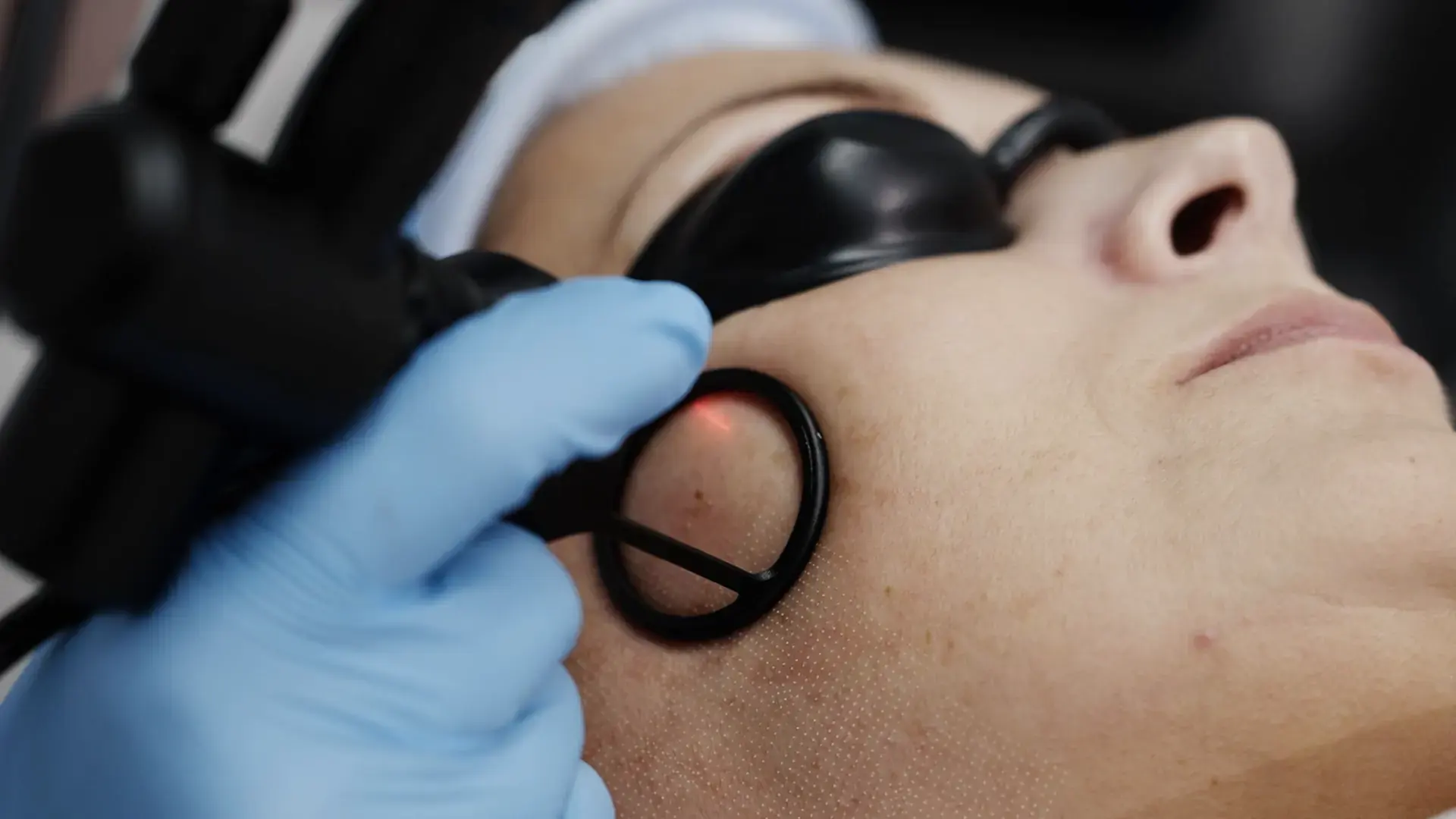
How CO2 Fractional Laser can help with fine lines and wrinkles
Fine lines and wrinkles have many different causes and depths, so no single technology suits every pattern of ageing. Here is how CO2 fractional laser relates to this concern specifically.
Quick answer
CO2 fractional laser tends to be considered for fine lines and wrinkles that are more established or deeply etched, since its resurfacing action prompts collagen remodelling in depth. It suits clients wanting a more intensive approach than gentler, non ablative options. Whether it is right for your lines and skin is assessed at consultation.
How CO2 fractional laser works on fine lines and wrinkles
Fine lines and wrinkles form through a mix of repeated expression, sun exposure and the gradual loss of collagen and elastin that comes with age, and they tend to show most where skin is thinner, such as around the mouth and eyes. Because CO2 fractional laser resurfaces the outer skin more intensively than non ablative options, it is a treatment we discuss more often for lines that have become deeply set or that sit alongside changes in texture, rather than for very faint, early lines on their own.
How the laser technology itself works is covered on the CO2 fractional laser treatment page. Here, the focus is on how that resurfacing effect relates to your particular wrinkle pattern, which is something your practitioner will look at directly rather than something a general page can determine.
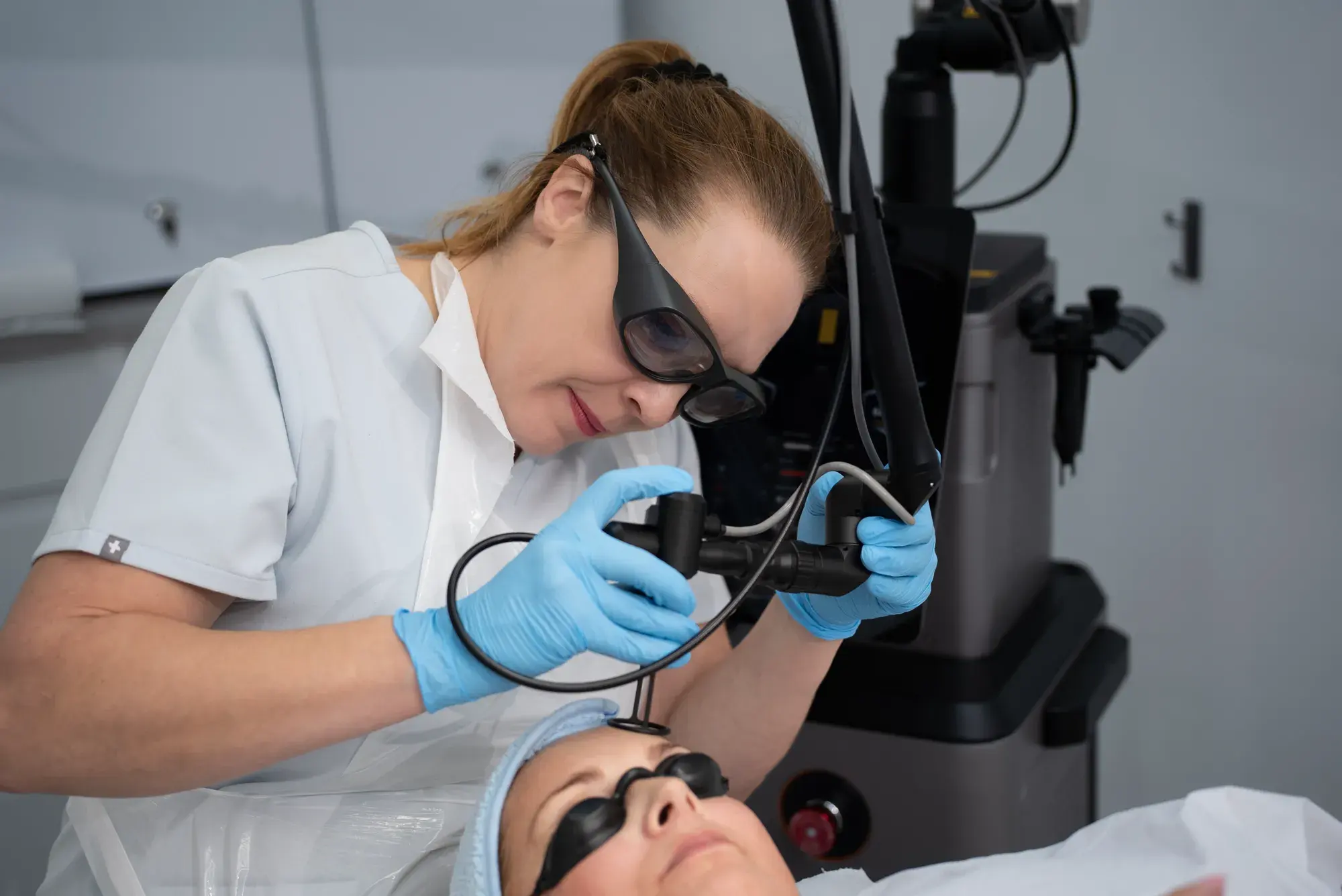
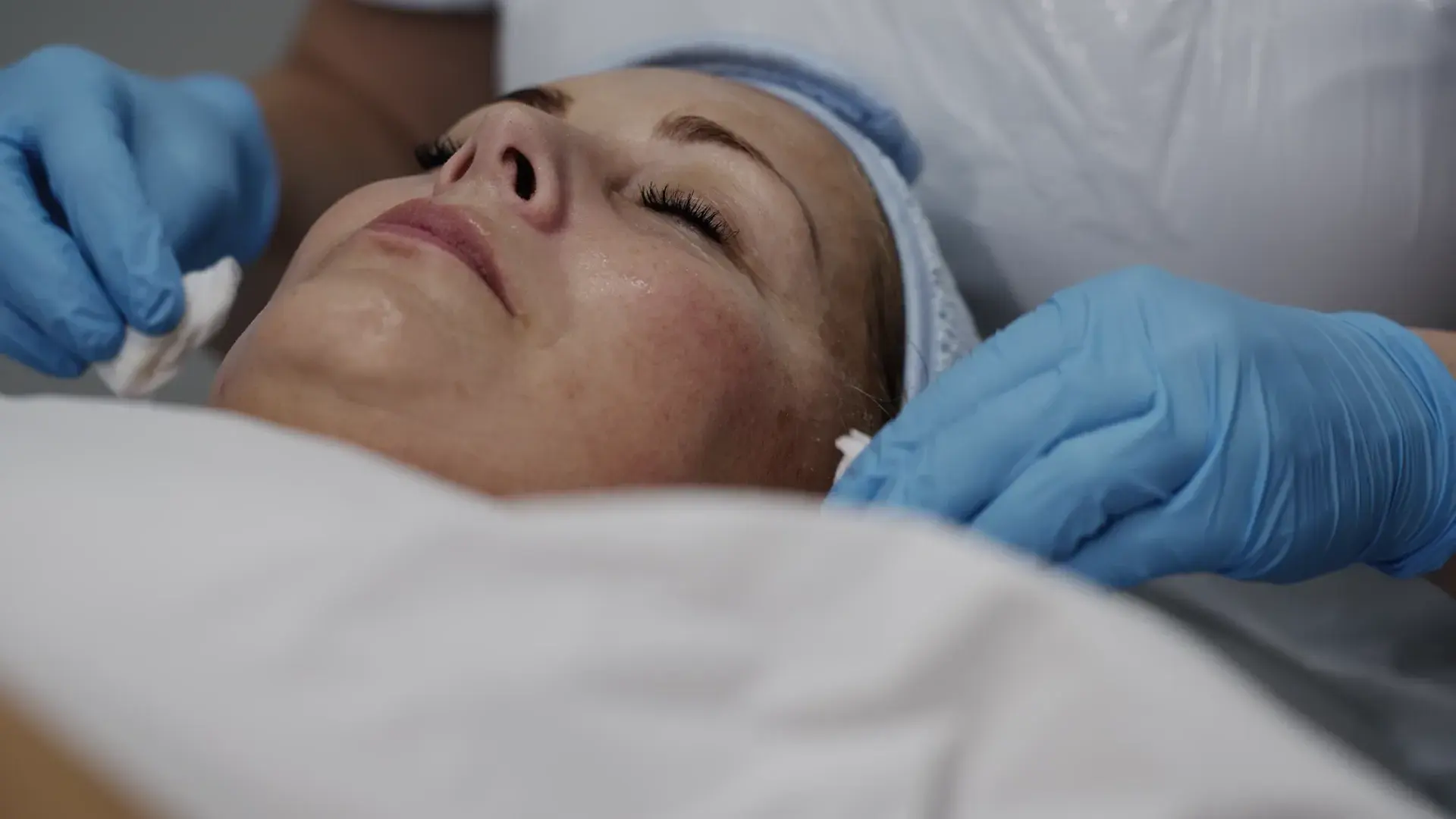
Who CO2 fractional laser suits for fine lines and wrinkles (and when another option may fit better)
CO2 fractional laser is generally discussed for deeper, more established lines and wrinkles, particularly where they sit alongside textural or sun related changes and a more intensive resurfacing effect is wanted. It is not usually the first suggestion for very faint, early lines or for clients prioritising minimal downtime, where a non ablative laser, a microneedling based treatment or a tightening option may fit better. Suitability depends on your skin, medical history and goals, which is why this is a consultation decision rather than one this page can make for you.
- May suit you if your lines are deeper, static, or paired with noticeable textural or sun related change.
- Another option may fit better if your lines are faint, you are earlier in the ageing process, or you want a gentler starting point.
What a course looks like at Naomi Waite Aesthetics
For fine lines and wrinkles, CO2 fractional laser is typically planned as a personalised course agreed at consultation, taking into account how deep set your lines are, your skin type and how your skin responds between visits. Some clients pair it with other concern specific support, such as skincare guidance, to help maintain results over time. Exact numbers of sessions and spacing are set individually rather than fixed in advance, and your practitioner will talk you through what a realistic plan and timeline looks like for your particular lines.
CO2 fractional laser compared with other options for fine lines and wrinkles
CO2 fractional laser sits in the resurfacing laser group of options for this concern, working differently to energy based tightening treatments, microneedling and needle based or regenerative approaches. See how these groups compare, and where CO2 sits among them, on the main Fine Lines & Wrinkles page.
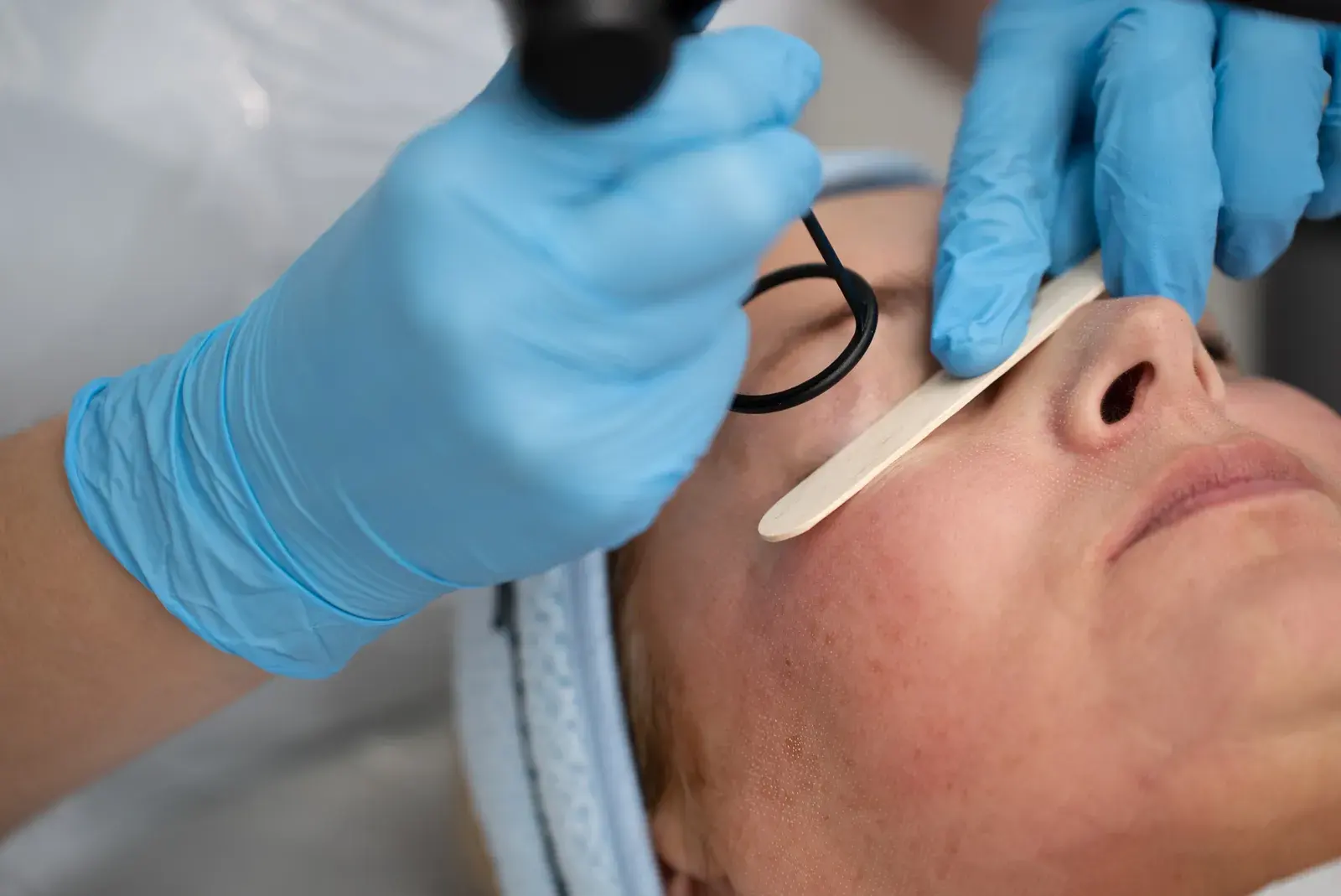
Aftercare after CO2 fractional laser for fine lines and wrinkles
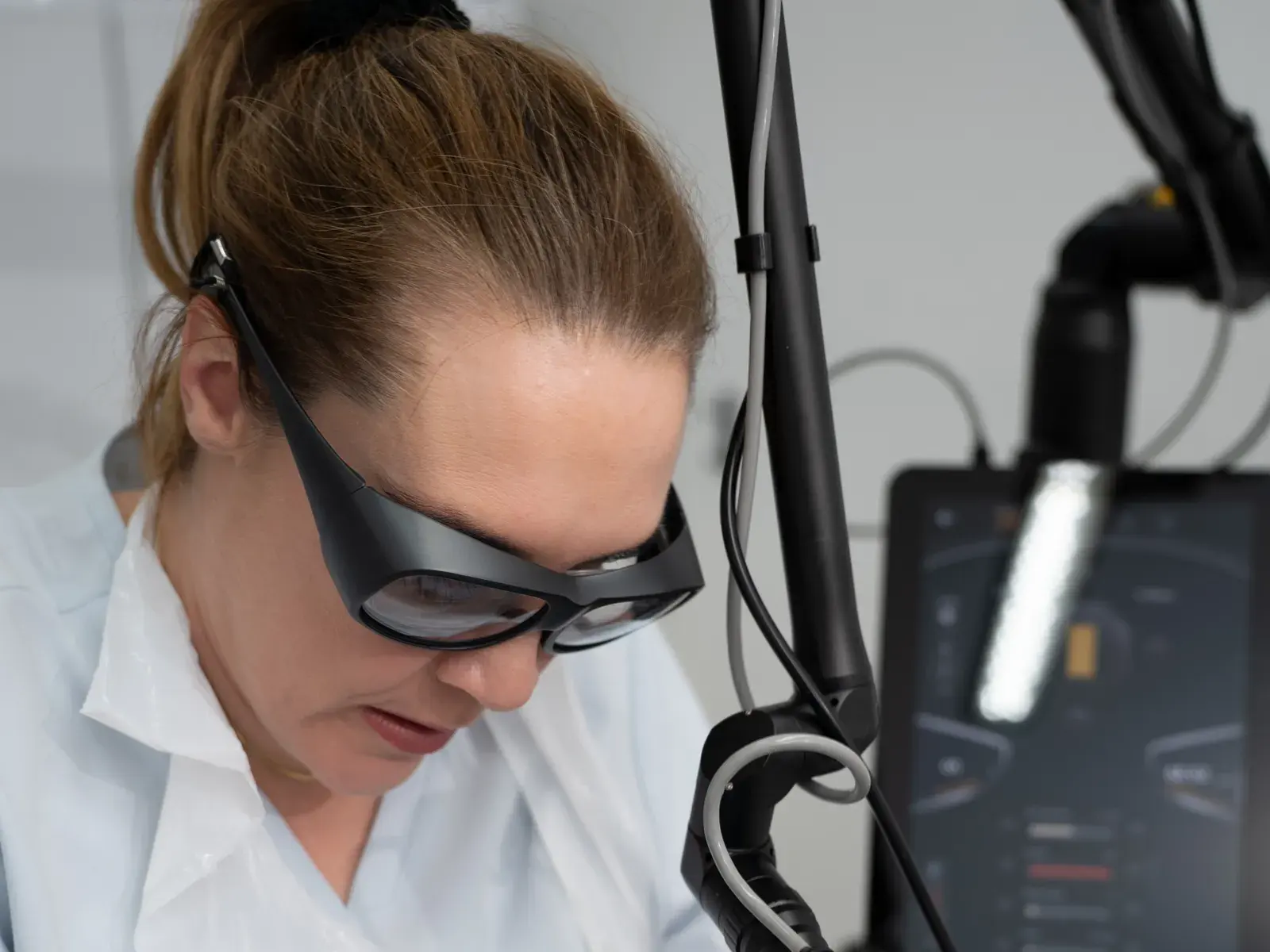
Because CO2 fractional laser works on the skin's surface, aftercare in the period that follows matters for how your lines and overall texture settle, particularly around expressive areas like the mouth and eyes where skin moves the most. Sun protection is especially important while treated skin is healing, since fresh skin is more vulnerable to pigment changes that could affect the appearance of lines and texture together.
Your practitioner will give you specific aftercare guidance for your treatment, and the general principles are also covered on the CO2 fractional laser treatment page. Any concern specific product recommendations to support your results will be discussed with you directly rather than listed generically here.
Frequently asked questions
A few questions clients often ask about using CO2 fractional laser for fine lines and wrinkles specifically.
Related guides
Explore how other resurfacing, tightening and needle based options approach fine lines and wrinkles, or read more about CO2 fractional laser itself.
Book a consultation
If you would like to find out whether CO2 fractional laser is a good fit for your fine lines and wrinkles, book a consultation with our team.
Frequently asked questions
CO2 fractional laser is a resurfacing treatment that many clients consider for fine lines and wrinkles, particularly more deeply set ones, because it works on the outer skin to prompt collagen remodelling. How your own lines respond depends on their depth, your skin and your goals. We assess this properly at consultation rather than promising a specific outcome in advance.
The number of sessions varies from person to person, depending on how established your lines are and how your skin responds. Rather than a fixed number, we build a plan around your specific lines and review it as your course progresses. Your practitioner can talk you through realistic expectations once they have assessed your skin.
Suitability depends on factors such as your skin type, tone and medical history, which is why this is confirmed at consultation rather than assumed from a general description. Some skin types need extra care around pigment risk with ablative resurfacing. Your practitioner will talk this through with you before any treatment is agreed.
Sensation during treatment varies between people and depends on the area being treated. The CO2 fractional laser treatment page has more detail on what to expect during the procedure itself. If comfort is a particular concern for you, it is worth raising at consultation.
Skin remodelling after resurfacing treatments happens gradually rather than overnight, and the pace varies between individuals. We will not promise an exact timeframe, since this depends on your skin and how established your lines were to begin with. Your practitioner can give you a realistic sense of what to expect for your case.
Neither is universally better. Both are ablative resurfacing lasers, but they use different wavelengths and can behave differently on the skin. Which one suits your lines depends on factors assessed at consultation, including your skin and how deep set your lines are, and your practitioner can talk you through the differences.
Book Your Free Consultation
Tell us your goals. We'll tell you exactly what's possible and build a plan to get you there.