
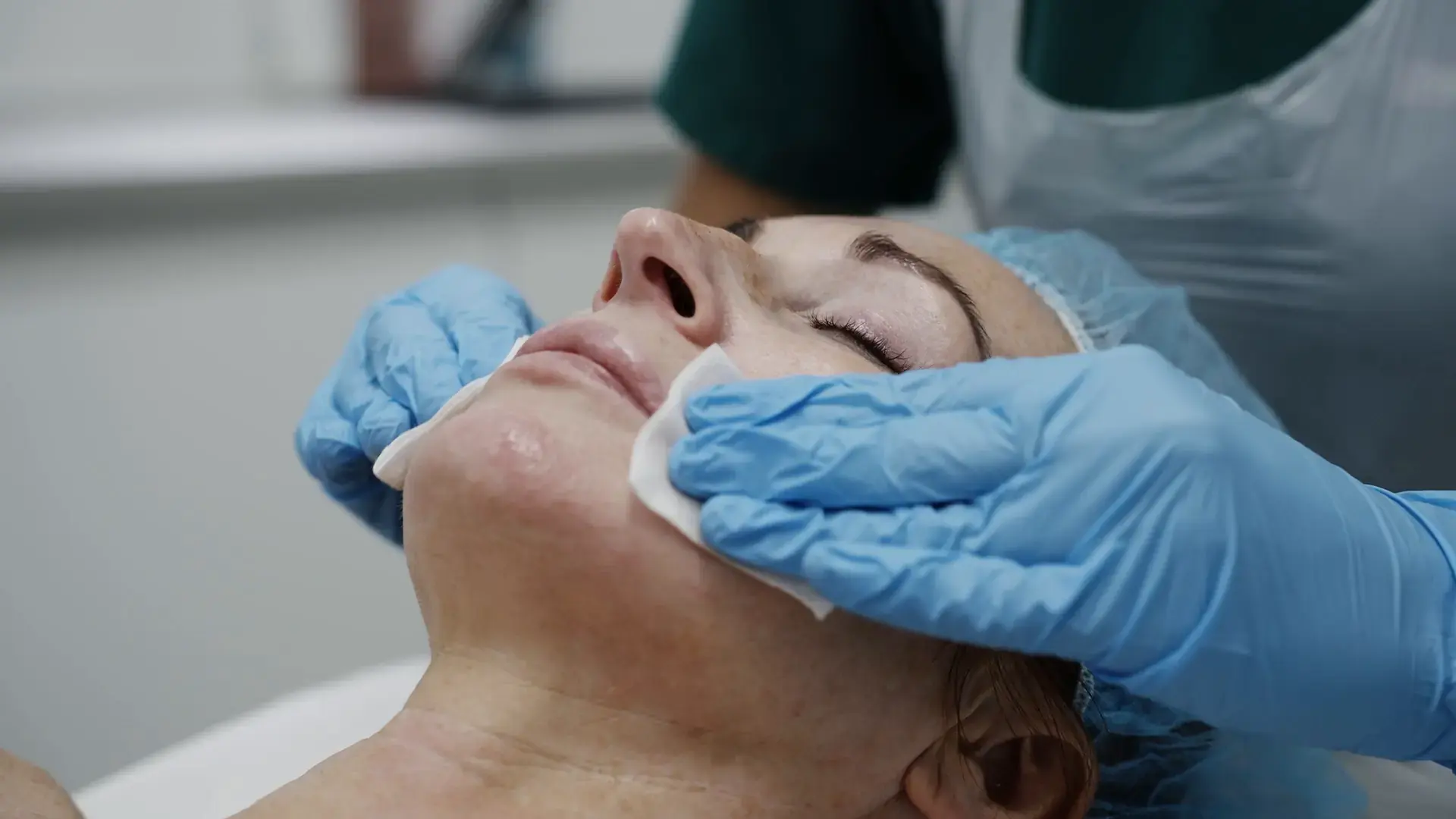
How DermaQuest Peels can help with melasma
This page looks at how DermaQuest peels are used specifically for melasma. For how the peels themselves work, see our main chemical peels treatment page.
Quick answer
Melasma is a complex, often hormonal pigment condition, so DermaQuest peels are used as one part of a wider, consultation-led plan rather than a stand-alone fix. At Naomi Waite Aesthetics, peel strength and frequency are chosen to suit melasma-prone skin, working alongside daily sun protection and, where appropriate, skin analysis to track how your pigment is responding.
How DermaQuest Peels works on melasma
Melasma tends to sit at more than one depth in the skin and can be triggered or worsened by sun exposure, heat and hormonal changes, which is why it behaves differently to straightforward sun-related pigmentation. Because of this, DermaQuest peels are approached cautiously for melasma: your practitioner selects a level of exfoliation intended to support gradual, even skin renewal without provoking further pigment activity.
Peels are one option considered as part of a broader melasma plan alongside daily sun protection and skin-supportive homecare, rather than a single fix for the condition.
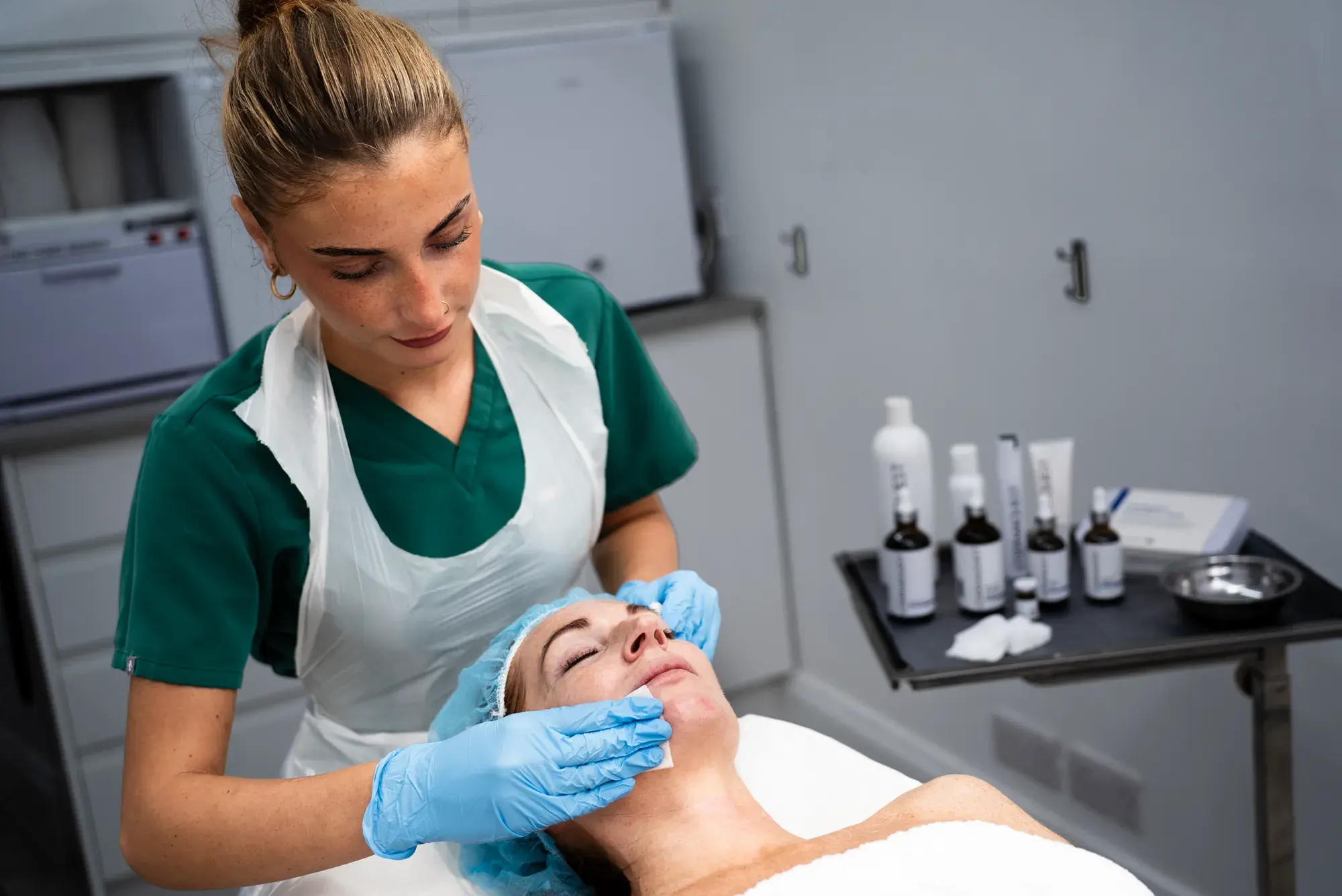
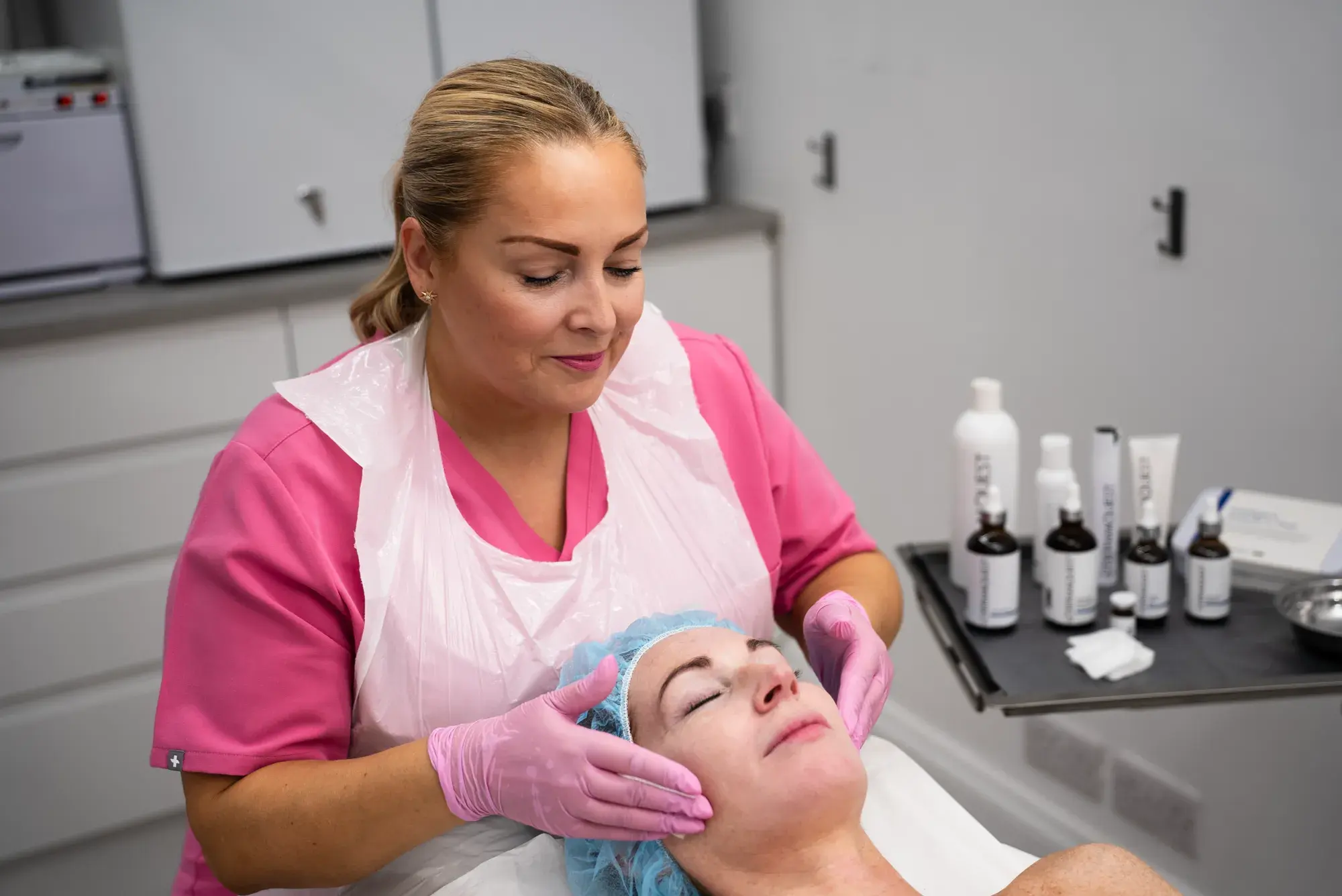
Who DermaQuest Peels suits for melasma (and when another option may fit better)
DermaQuest peels for melasma tend to be considered for clients whose skin can tolerate controlled exfoliation and who are committed to strict sun protection, since melasma is highly sun-reactive. A patch test and consultation help establish whether your skin is likely to respond well to a peel-based approach.
For melasma that is very active, recently flared, or in skin that reacts strongly to exfoliation, your practitioner may suggest starting with DermaQuest Active Facials or a skin analysis first, then introducing peels later if appropriate.
What a course looks like at Naomi Waite Aesthetics
Any course of DermaQuest peels for melasma is planned individually after consultation, with your practitioner monitoring how your pigment responds between visits and adjusting the approach if needed. Because melasma can fluctuate with hormones, season and sun exposure, your plan may be reviewed more often than a straightforward pigmentation course.
DermaQuest Peels compared with other options for melasma
Melasma is often managed with more than one approach. See how DermaQuest peels sit alongside DermaQuest Active Facials and skin analysis for this concern below.
Aftercare after DermaQuest Peels for melasma
Because melasma is particularly reactive to UV and heat, aftercare for melasma-specific peel visits places extra emphasis on strict daily sun protection, gentle skincare and avoiding heat exposure such as saunas or hot exercise in the days afterwards. For general aftercare after a chemical peel, see our main chemical peels treatment page.
Your practitioner will also advise on when it is appropriate to return for your next melasma review, and what changes in your pigmentation to look out for.
Frequently asked questions
Common questions about using DermaQuest peels for melasma.
Related guides
Explore how skin analysis and DermaQuest Active Facials can also support a melasma plan, or read more about melasma in general.
Book a consultation
Book a consultation to discuss whether DermaQuest peels could form part of your melasma plan.
How DermaQuest Peels sits alongside other melasma options at Naomi Waite Aesthetics
| Option | Role for melasma |
|---|---|
| DermaQuest Peels | Exfoliation-based resurfacing option considered once melasma is stable enough for controlled exfoliation. |
| DermaQuest Active Facials | Supportive, calming facial protocol, often used for reactive or sensitised melasma-prone skin. |
| Skin Analysis | Assessment tool used to help plan and monitor treatment; not a treatment itself. |
Frequently asked questions
Melasma is a complex pigment condition that can respond unevenly to treatment, so DermaQuest peels are used as one part of a wider, consultation-led plan rather than a guaranteed fix. Your practitioner will assess your skin and pigment pattern before recommending whether a peel-based approach is appropriate for you.
This depends on how your individual melasma responds, and your practitioner will discuss a suitable plan with you at consultation rather than quoting a fixed number in advance. Because melasma can change with the seasons and hormones, your plan may also be reviewed and adjusted over time.
Suitability depends on your skin type, how reactive your melasma is, and your ability to maintain strict sun protection, all of which your practitioner will check at consultation. Some skin types and some patterns of melasma may be better suited to a gentler starting point, such as DermaQuest Active Facials.
For general sensations during a DermaQuest peel, see our main chemical peels treatment page. For melasma specifically, your practitioner may choose a milder level of exfoliation than for straightforward pigmentation, to reduce the chance of irritating melasma-prone skin.
Melasma can be slow to change and can also fluctuate with sun exposure and hormones, so timelines vary between individuals and we cannot promise a specific result. Your practitioner will talk you through realistic expectations at consultation and review your progress at follow-up visits.
These serve different purposes: skin analysis is an assessment tool that helps map your pigmentation and plan treatment, while DermaQuest peels are a resurfacing option that may be part of that plan. Most melasma journeys at Naomi Waite Aesthetics use skin analysis to help decide whether peels, active facials or another route suits you best.
Book Your Free Consultation
Tell us your goals. We'll tell you exactly what's possible and build a plan to get you there.