
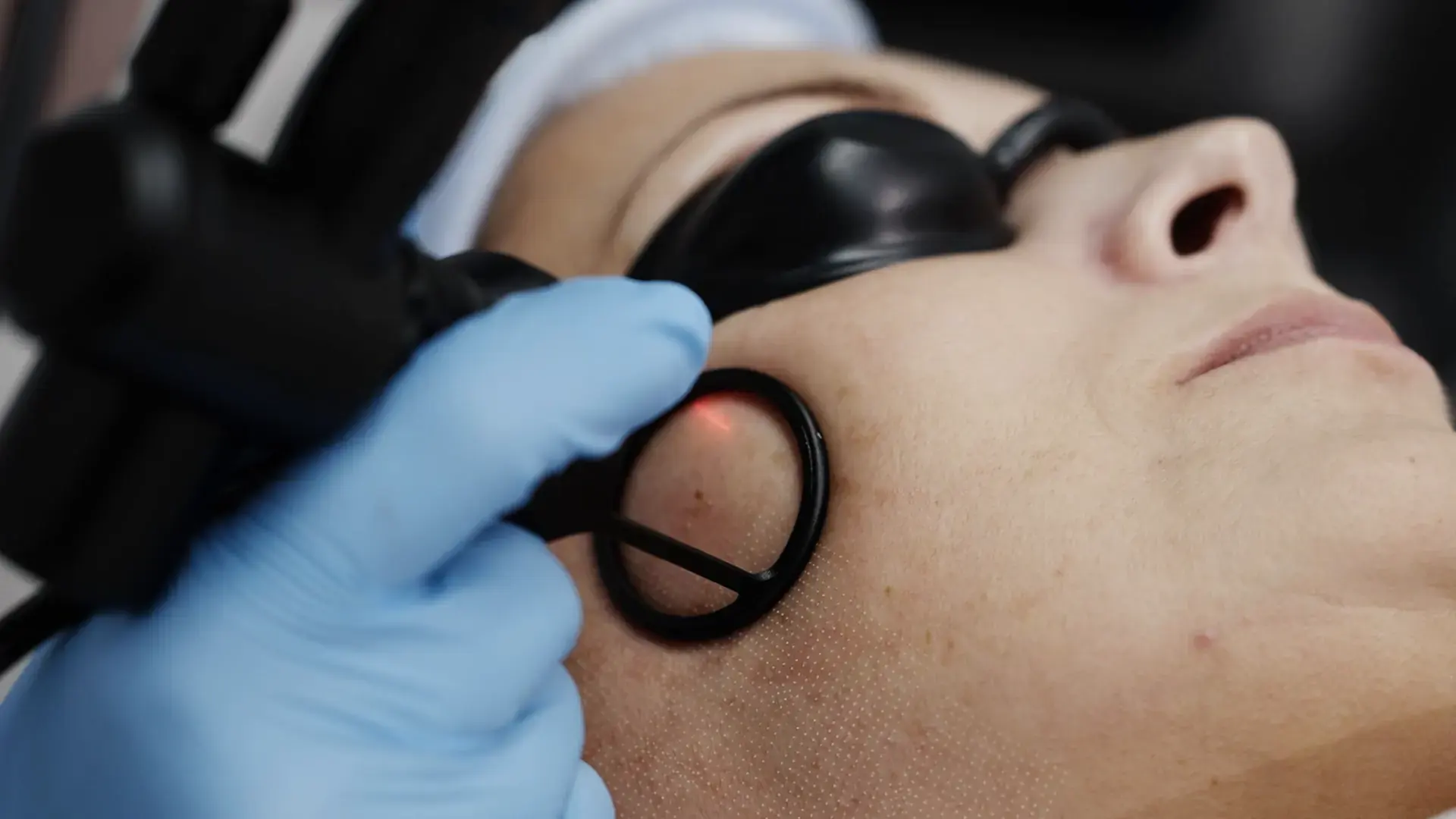
How CO2 Fractional Laser can help with pigmentation
This page looks at where CO2 Fractional Laser resurfacing fits into pigmentation, alongside the more pigment-focused options covered in our pigmentation guide.
Quick answer
CO2 Fractional Laser is an advanced resurfacing treatment aimed mainly at texture, lines, scarring and photoageing, so pigmentation is generally treated as part of that wider picture rather than as its own target. If pigment is your main concern, a pigment-focused technology is usually considered first, with CO2 discussed if resurfacing is a goal. This is assessed at consultation.
How CO2 Fractional Laser works on pigmentation
CO2's ablative, fractional resurfacing action is explained on the treatment page. Any change in pigmentation tends to happen as the skin heals and remodels during resurfacing, rather than from the laser targeting pigment directly the way a pigment-specific laser does. This makes CO2 a treatment to discuss for pigmentation mainly when texture, scarring or more significant photoageing are also part of what you want to improve.
Because CO2 and Er:YAG both resurface the skin but do so with different absorption characteristics and typically different amounts of thermal effect, they are not simply interchangeable, and which one, if either, fits your skin is a consultation decision.
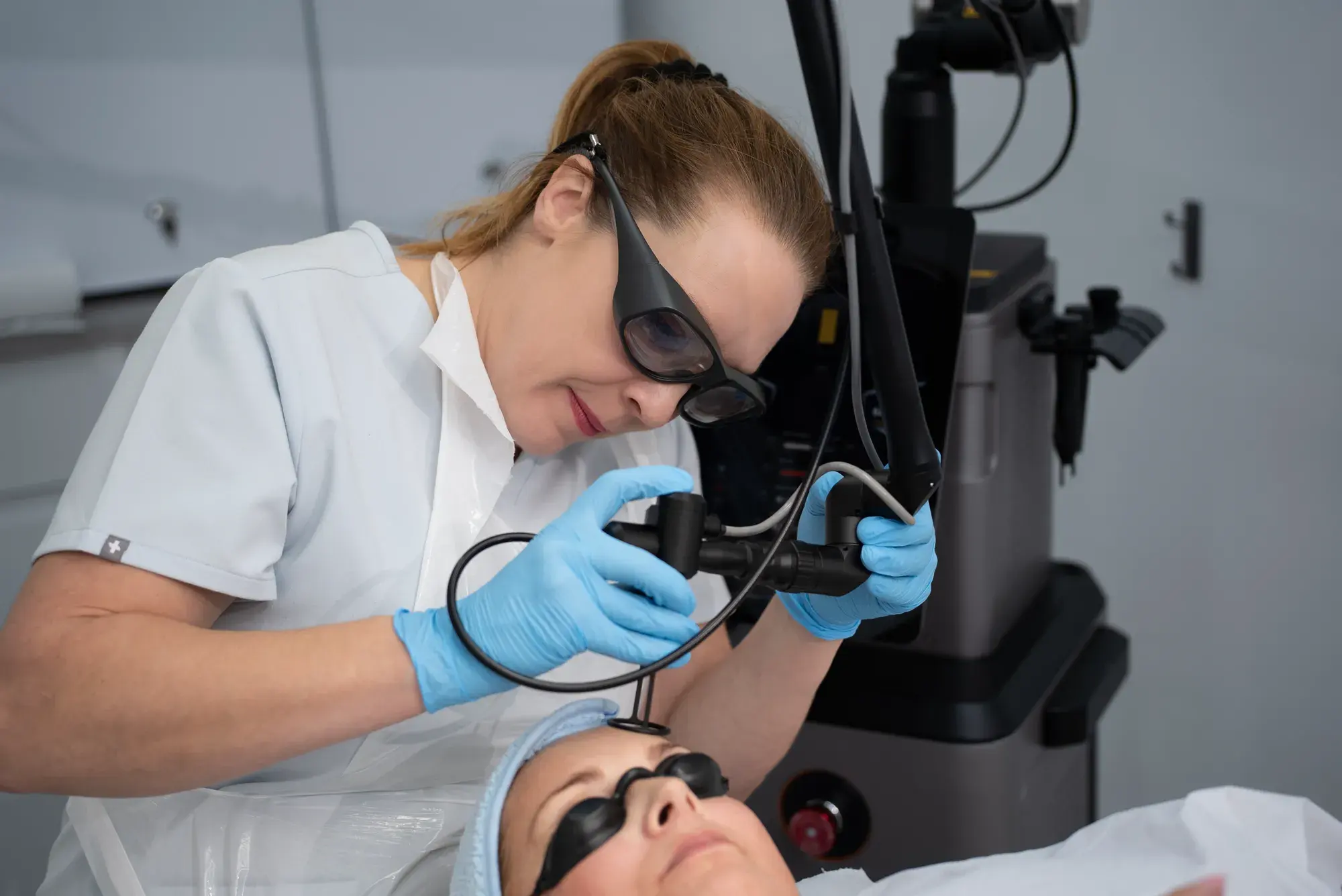
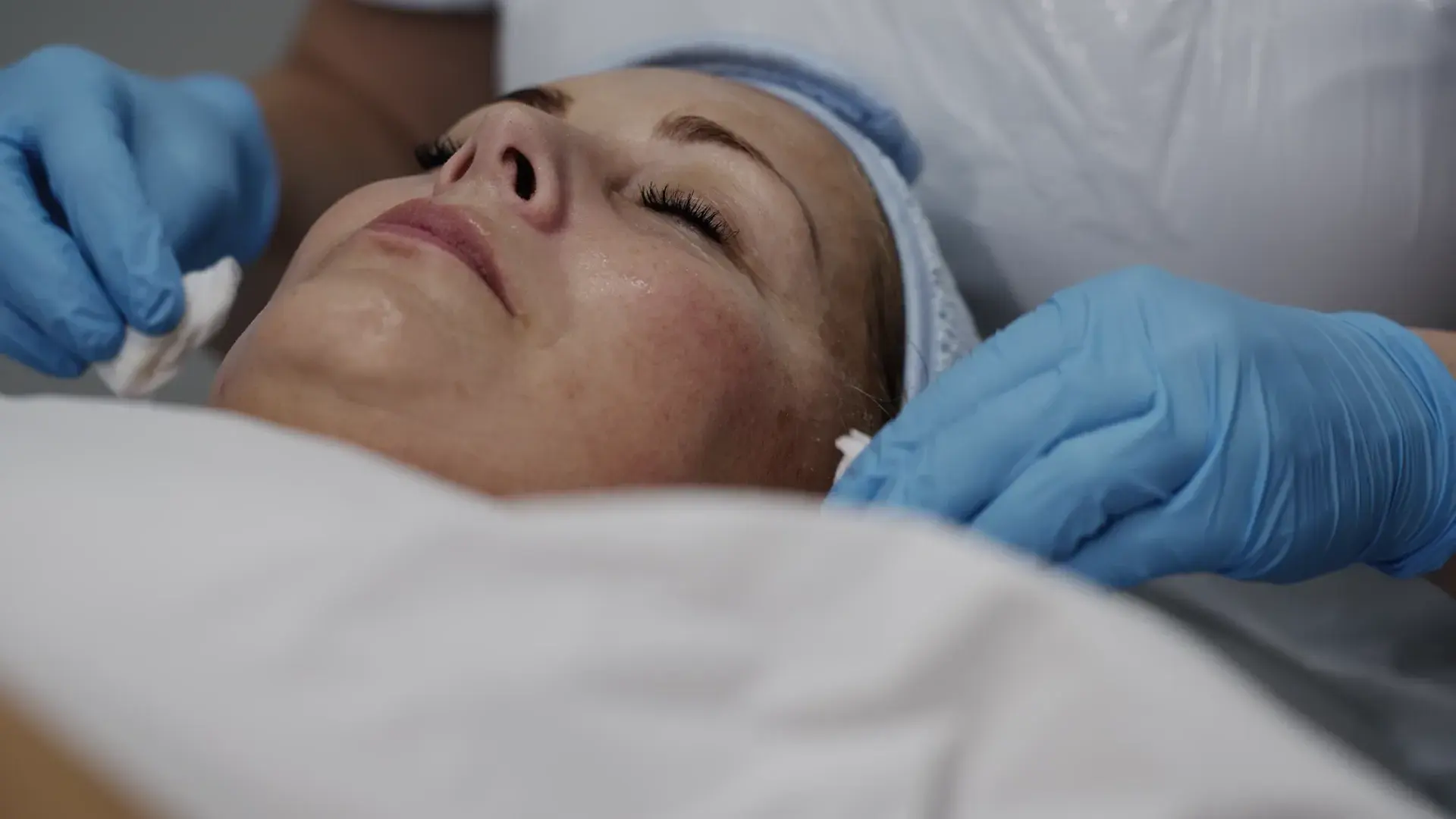
Who CO2 Fractional Laser suits for pigmentation (and when another option may fit better)
CO2 tends to be considered when pigment sits alongside more significant texture concerns, such as acne scarring or deeper lines, that would benefit from advanced resurfacing, rather than for pigmentation alone. Where pigment is your only or main concern, IPL, Pico Laser, Q-switched Nd:YAG, Thulium or peels are more usually discussed first.
As an ablative treatment with genuine downtime, skin type and healing history are assessed carefully before CO2 is recommended for any concern, including pigmentation. Because recovery is more involved than with light or picosecond pigment treatments, your practitioner will make sure you understand what CO2 resurfacing means for downtime before recommending it where pigment is only part of the reason for treatment.
What a course looks like at Naomi Waite Aesthetics
General session and recovery information for CO2 resurfacing is on the treatment page. Where pigmentation is one of several things being treated, your practitioner will explain how it's expected to change alongside texture and scarring over the course, and how the recovery involved compares with a pigment-led treatment if you're deciding between options.
CO2 Fractional Laser compared with other options for pigmentation
CO2 is often compared with Er:YAG resurfacing; where pigmentation is the main goal, IPL, Pico Laser, Q-switched Nd:YAG or peels are usually discussed first.
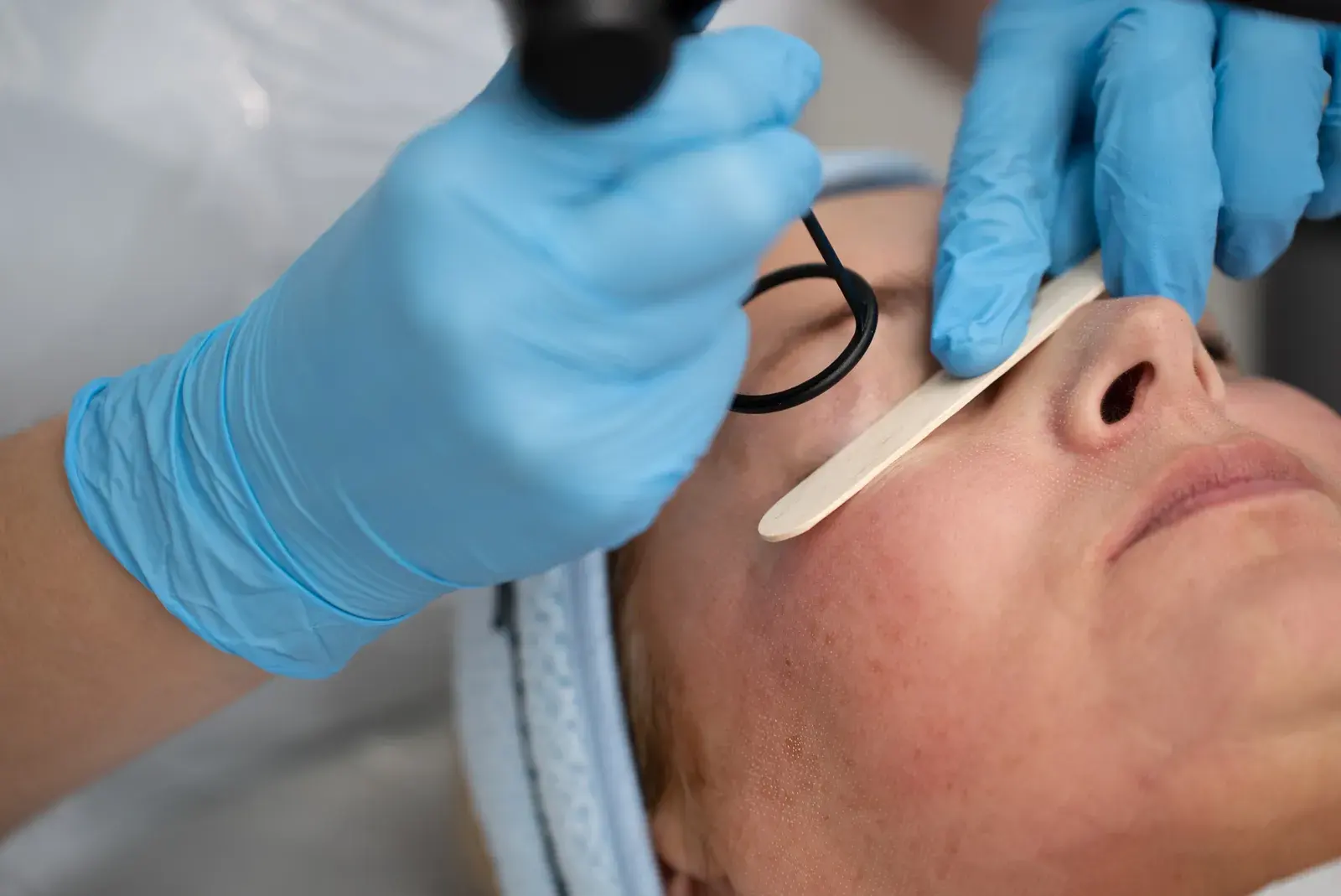
Aftercare after CO2 Fractional Laser for pigmentation
Full recovery and aftercare guidance for CO2 is on the treatment page and should be followed closely. Where pigment is part of what's being treated, sun protection during and after healing is essential, since UV exposure on healing skin can trigger new or returning pigment, undoing some of the benefit of the treatment.
Frequently asked questions
A few questions about CO2 Fractional Laser and pigmentation.
Related guides
Related guides on resurfacing and pigmentation are linked below.
Book a consultation
Book a consultation to discuss whether CO2 resurfacing, or a more pigment-focused option, fits your goals.
CO2 Fractional Laser and Er:YAG 2940 Laser for pigmentation, compared
| CO2 Fractional Laser | Er:YAG 2940 Laser | |
|---|---|---|
| Primary purpose | Advanced ablative resurfacing (lines, scarring, texture) | Ablative resurfacing (texture, lines, photoageing) |
| Pigmentation role | Secondary effect from resurfacing, not the main purpose | Secondary effect from resurfacing, not the main purpose |
| Absorption/thermal effect | Different water absorption and thermal profile to Er:YAG; not interchangeable | More strongly absorbed by water than CO2, per the treatment page |
| Best suited to | Pigment combined with more significant scarring or texture | Pigment combined with texture, lines or photoageing |
Frequently asked questions
CO2 resurfacing can lead to an improvement in the appearance of pigmentation, but this tends to happen alongside changes in texture and scarring rather than as a targeted pigment treatment on its own. If pigment is your main concern, a more pigment-focused technology is usually discussed first.
This depends on the full range of concerns being treated, not pigment alone, and general guidance is on the treatment page. Your practitioner will explain what's realistic for your combined goals at consultation.
Suitability for an ablative laser like CO2 depends on your skin type and healing history, which are assessed carefully at consultation, as they would be for any concern this laser is used for, including pigmentation.
General sensation and recovery are described on the treatment page. The experience is more involved than a light-based pigment treatment, given CO2's ablative resurfacing action, and your practitioner will explain what to expect in full beforehand.
Because any pigment change with CO2 is tied to the skin's healing and remodelling process, timelines follow the resurfacing recovery rather than a pigment treatment's usual pattern. Your practitioner will explain a realistic timeframe at consultation.
For pigmentation alone, IPL's light-based approach is generally more directly pigment-focused and involves considerably less recovery than CO2's ablative resurfacing, which is designed mainly for texture, scarring and lines. CO2 may still be worth discussing if resurfacing is also a goal; your practitioner can talk through both at consultation.
Book Your Free Consultation
Tell us your goals. We'll tell you exactly what's possible and build a plan to get you there.