

Scalp Health
Your scalp is skin too, and it can benefit from the same care and attention as your face. This page explains what affects scalp comfort and how the clinic approaches scalp wellbeing.
Quick answer
Scalp health is about how comfortable, clean and balanced your scalp feels, from dryness and tightness to build-up and sensitivity. At Naomi Waite Aesthetics in Lancaster, scalp care is supportive and wellbeing-focused, including the Japanese Head Spa and, where appropriate, selected Thulium treatment. No scalp treatment here is claimed to regrow hair.
What is scalp health?
Scalp health describes the overall condition and comfort of the skin on your head. A balanced scalp usually feels comfortable, not overly oily or dry, and free from build-up or irritation. When things are out of balance, you might notice tightness, itching, flaking, sensitivity or an oily feeling soon after washing. Like the skin on your face, the scalp responds to what you put on it, how you wash and style your hair and your environment.
Many people simply want their scalp to feel cleaner, calmer and more cared for, in the same way they look after the skin on their face. Scalp care can also be a relaxing part of a wider self-care routine, and for some people that sense of wellbeing, and a chance to slow down and switch off, is the main goal.
Scalp care at the clinic is supportive and wellbeing-focused. It is not a medical treatment for hair loss or scalp conditions, and we do not claim that it regrows hair. If you are worried about hair thinning, hair loss, a persistent rash, soreness or heavy flaking, your GP is the right first step.
What affects scalp health?
The scalp is affected by many of the same things as the rest of your skin, along with the products and styling habits that come with hair care. Several factors can influence how it feels:
Some scalp symptoms are caused by skin conditions such as dandruff, seborrhoeic dermatitis or psoriasis, which may need advice from a pharmacist or GP rather than a wellbeing treatment. Hair thinning and hair loss also have many possible causes, including genetics, hormones, illness, stress and some medicines, and these need medical assessment.
Understanding what may be affecting your scalp helps your practitioner suggest supportive care that suits you, and recognise when a medical opinion is the better place to start. You will be asked about your routine, products and any sensitivities, so that any recommendation feels right for you.
- Build-up from shampoos, conditioners, dry shampoo and styling products
- Washing habits, whether infrequent washing or products that feel too harsh for you
- Heat styling and tight hairstyles
- Cold weather, central heating and sun exposure
- Stress and busy periods, which many people notice in how their skin and scalp feel
- Hormonal changes over time
Related treatments
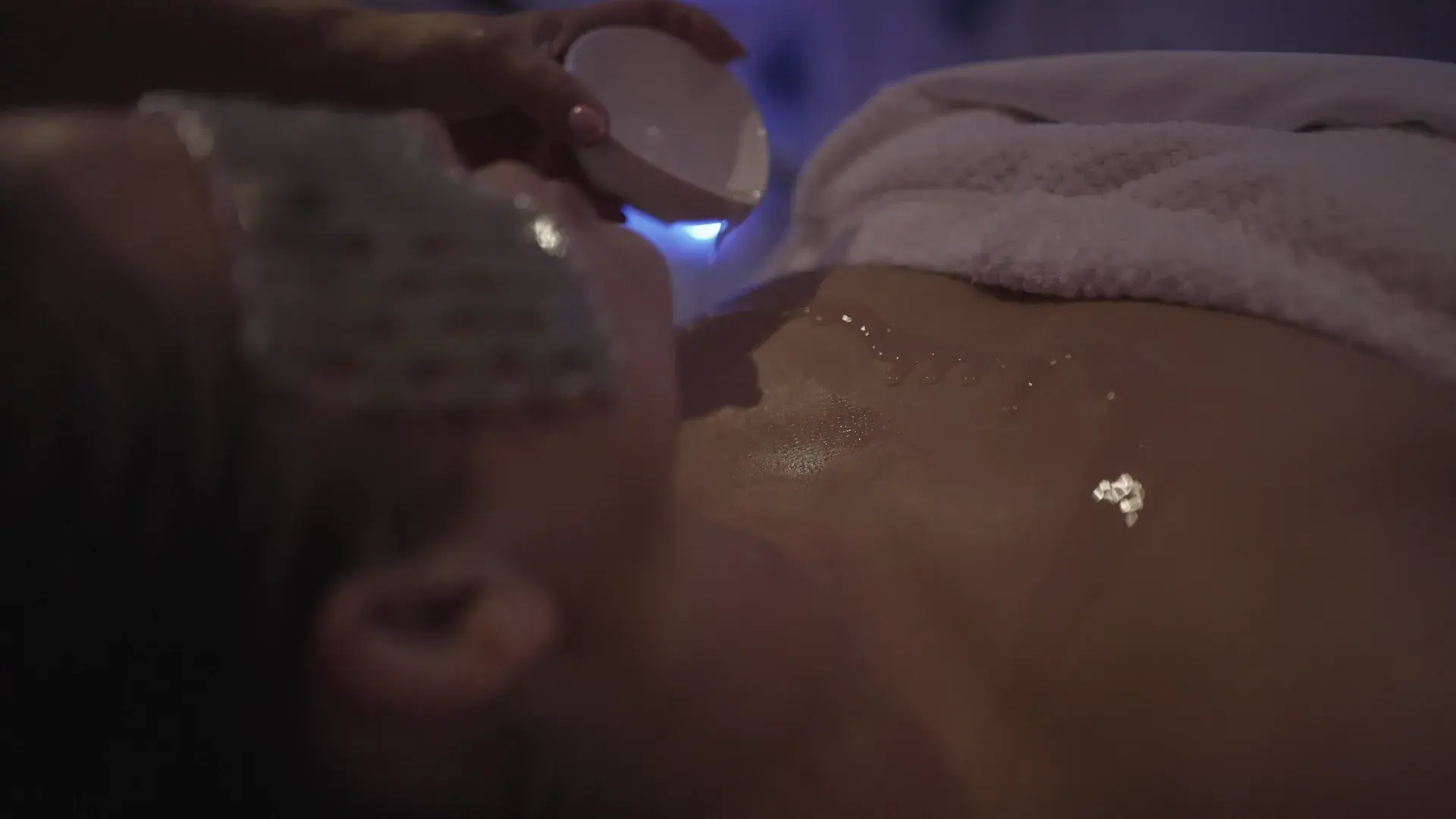
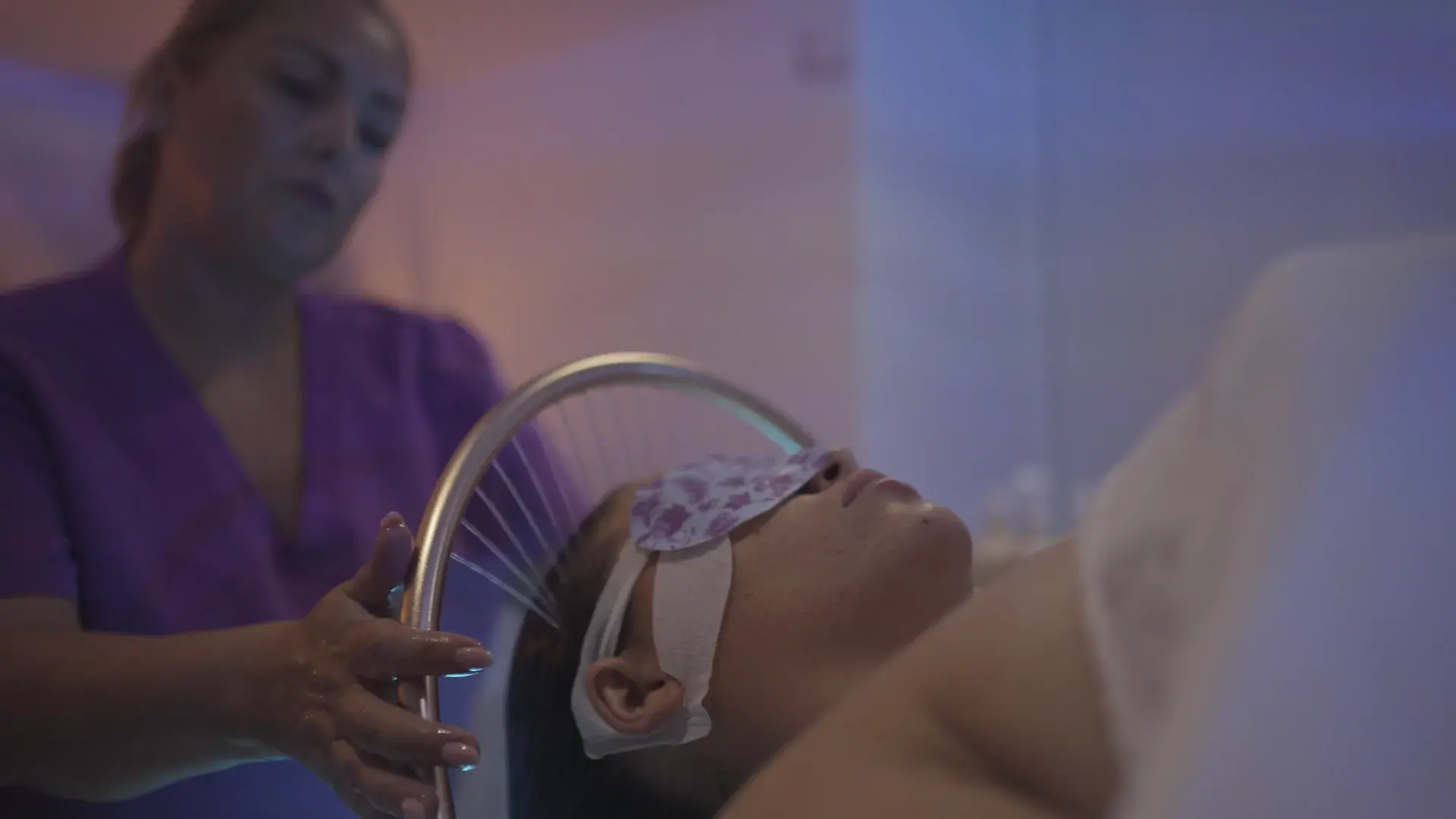 Japanese Head SpaA Japanese Head Spa is a relaxing scalp-care treatment that combines scalp cleansing, conditioning and massage. At Naomi Waite Aesthetics in Lancaster it is offered as a wellbeing and relaxation experience for anyone who wants to look after their scalp and take some time out. It is not a medical hair-loss treatment.Find out more
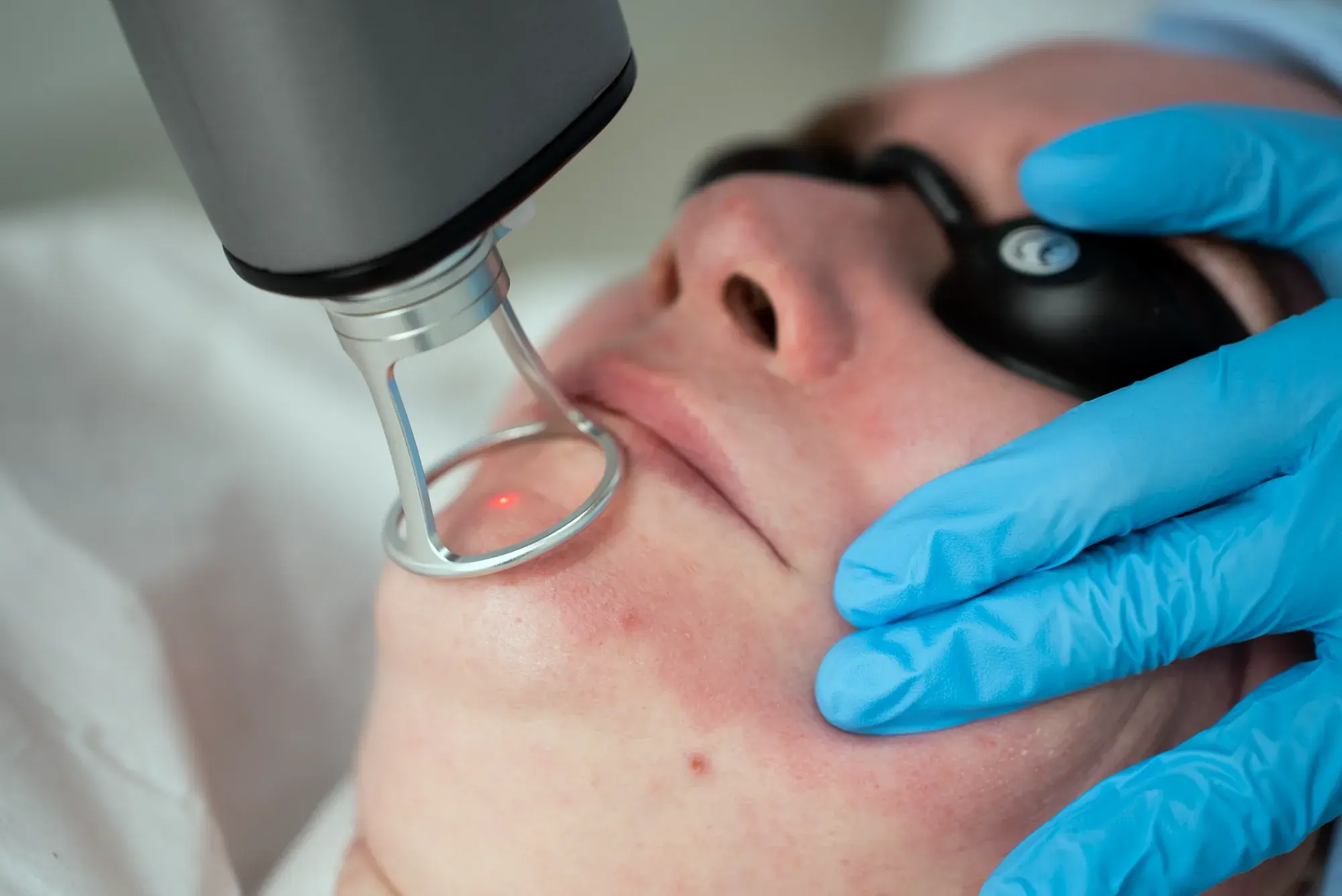
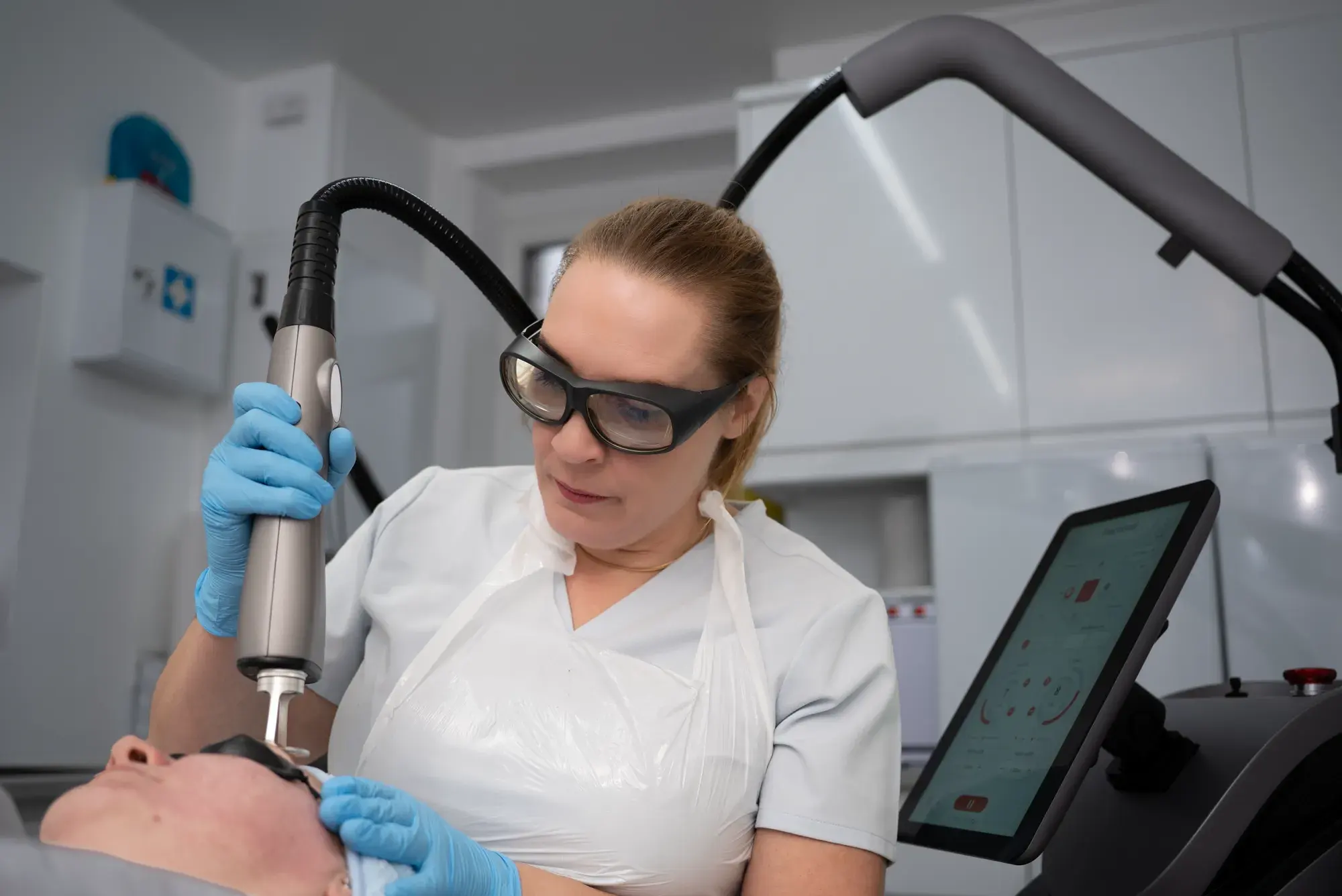 Thulium 1927/1550The Thulium 1927/1550 is a dual-wavelength fractional laser that treats the skin in microscopic zones. It is not an ablative resurfacing laser. At Naomi Waite Aesthetics in Lancaster it is used mainly for pigmentation, sun damage, uneven tone, texture and fine lines, with suitability for your skin confirmed at consultation.Find out more
Japanese Head Spa and selected Thulium treatment at a glance
| Feature | Japanese Head Spa | Thulium 1927/1550 |
|---|---|---|
| Type of treatment | Scalp-care and relaxation treatment | Laser, used in selected scalp protocols where appropriate |
| Focus | Scalp cleansing, conditioning, massage and wellbeing | Supportive scalp care, decided at consultation |
| Claimed to regrow hair | No | No |
Frequently asked questions
Product build-up, washing habits, heat styling, weather, stress and hormonal changes can all affect how your scalp feels. Some symptoms are caused by skin conditions such as dandruff or psoriasis, which may need advice from a pharmacist or GP.
It depends on what you want from scalp care. The Japanese Head Spa is a relaxing scalp-care and wellbeing treatment, and selected Thulium treatment may be discussed where appropriate. Your practitioner will talk through your scalp and goals, and suggest your GP if a medical opinion is needed first.
There is no set number. Some people enjoy a Japanese Head Spa as an occasional treat, while others make scalp care a regular part of their routine, and your practitioner can suggest what may suit you.
A Japanese Head Spa is designed to be relaxing, and the pressure can be adjusted to what feels comfortable. If Thulium treatment is discussed, your practitioner will explain what it feels like and how comfort is managed.
Most people carry on with their day after a Japanese Head Spa, although you may want to restyle your hair. If another scalp treatment is recommended, your practitioner will explain the aftercare and what to expect.
Scalp care is an ongoing habit, much like skincare, rather than a one-off fix. How your scalp feels will continue to be influenced by your products, routine, environment and health, and your practitioner can suggest simple ways to look after it at home.
Let the clinic know about any scalp conditions, sensitivities, allergies or broken skin before your appointment, so treatment and products can be chosen with care. Your practitioner will check suitability and adapt or postpone treatment if needed.
Current prices are listed on our prices page. If you have questions about what is included, the clinic will be happy to talk them through before you book.
No. A Japanese Head Spa is a scalp-care and relaxation treatment, not a medical treatment for hair loss, and it is not claimed to regrow hair. If you are concerned about hair thinning or hair loss, speaking to your GP is the right first step.
Book Your Free Consultation
Tell us your goals. We'll tell you exactly what's possible and build a plan to get you there.