
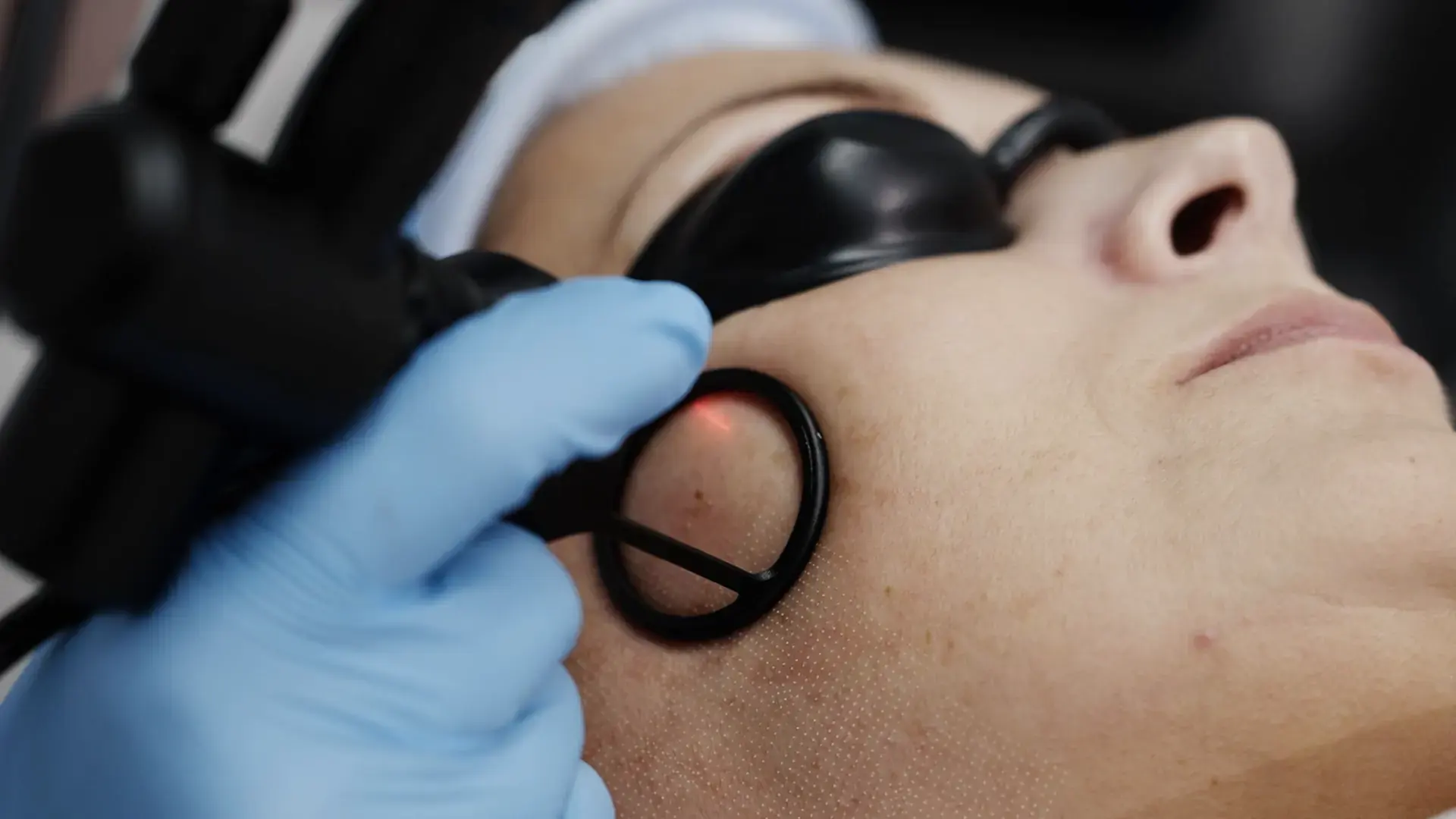
How CO2 Fractional Laser can help with skin laxity
If your skin laxity appears alongside texture, fine lines or sun damage, here is how CO2 fractional laser relates to this concern, and how it compares with more targeted tightening options.
Quick answer
CO2 fractional laser is a resurfacing treatment, and any improvement in skin laxity generally comes as part of its wider remodelling effect rather than a dedicated tightening mechanism. It is often considered when laxity appears alongside texture, fine lines or sun damage. Suitability is confirmed at consultation at Naomi Waite Aesthetics in Lancaster.
How CO2 Fractional Laser works on skin laxity
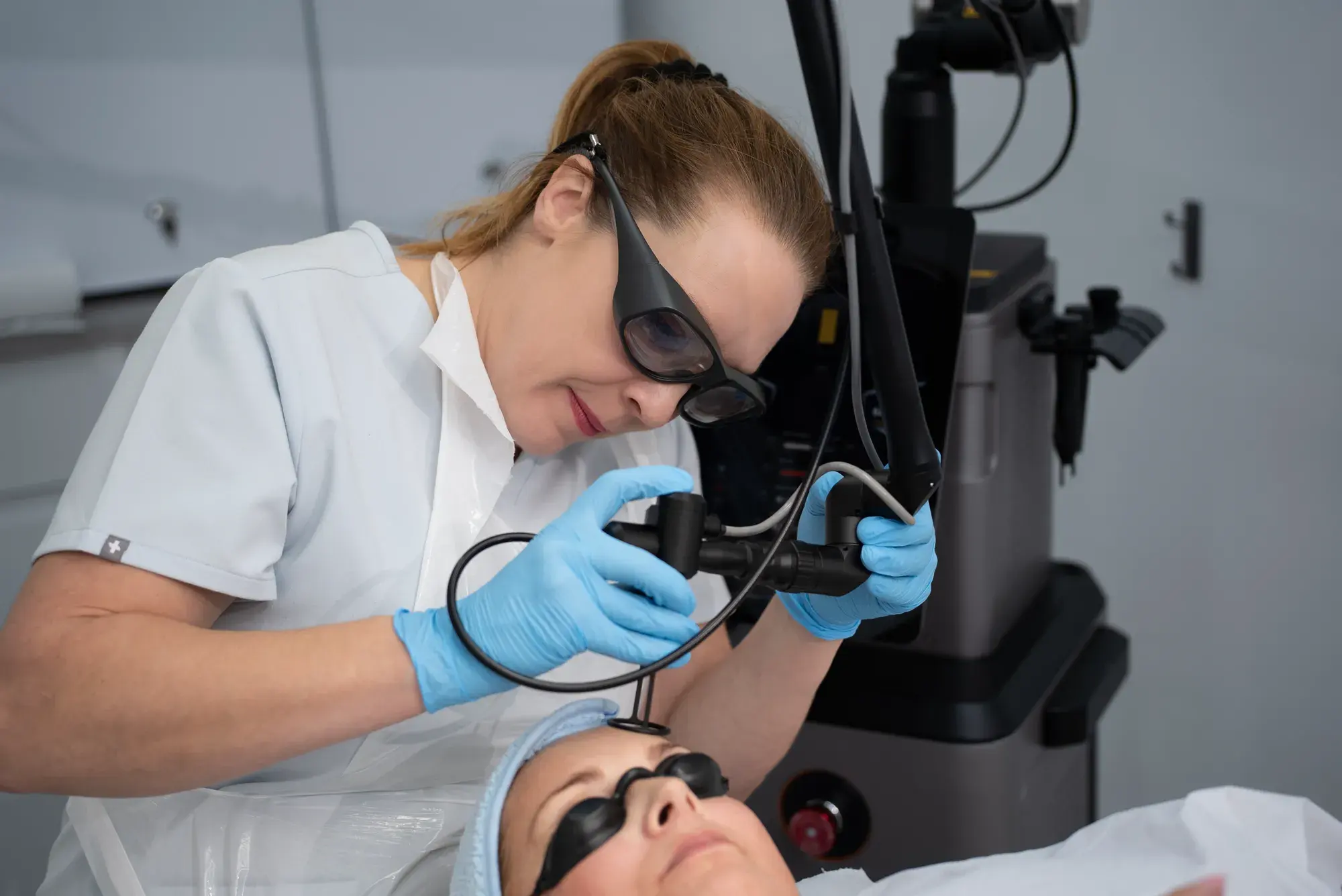
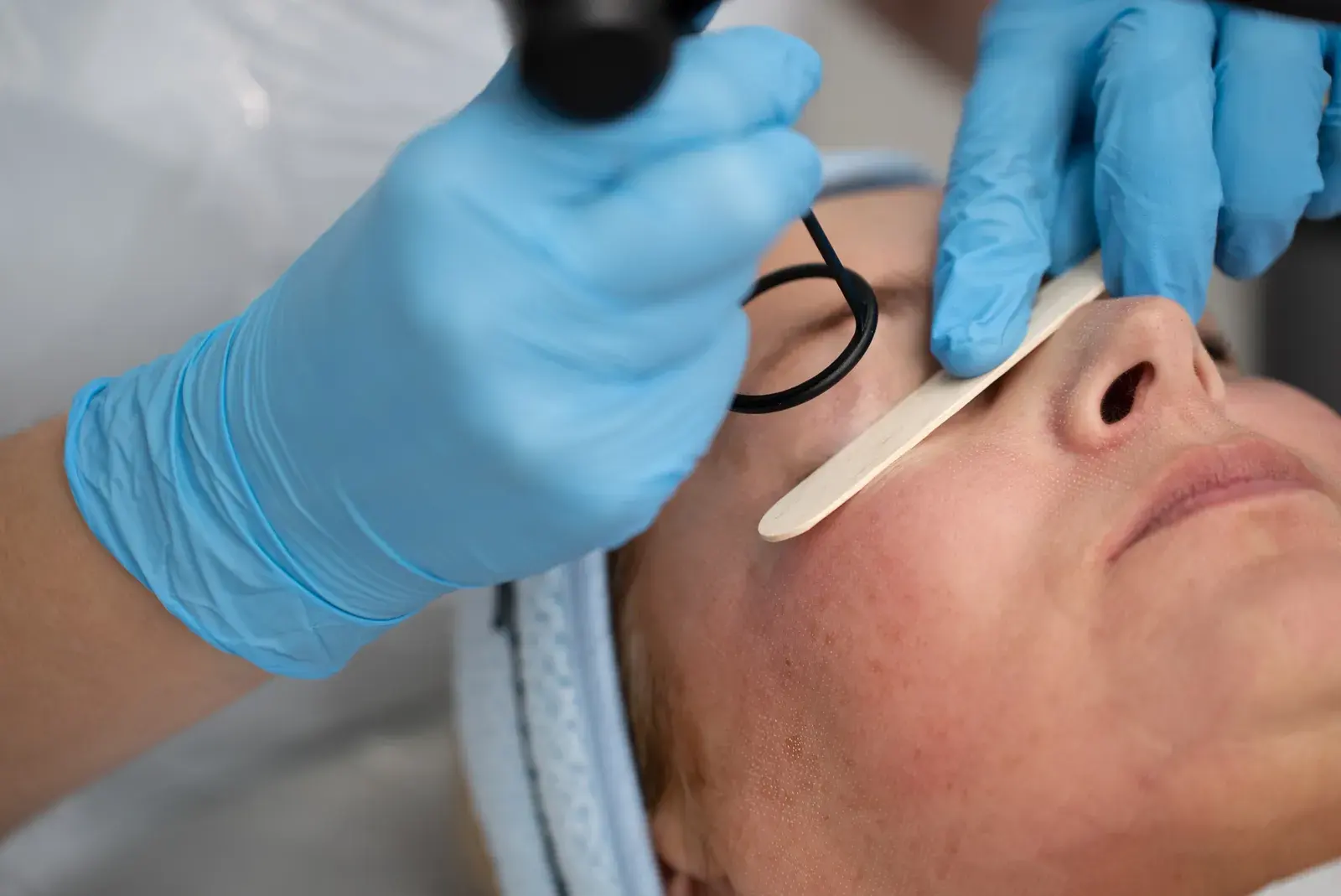
CO2 fractional laser is primarily an advanced resurfacing treatment, and any improvement in skin laxity tends to come as part of a broader remodelling effect rather than from a mechanism designed specifically to tighten loose skin. Because it works in tiny fractional columns across the treated area, it prompts the skin to repair and remodel collagen more widely, which is why it is often discussed for people whose laxity appears alongside texture, fine lines or sun-related changes rather than as an isolated concern.
This makes CO2 laser a different proposition to technologies such as HIFU or RF microneedling, which are used more specifically for firmness and contour. CO2 is generally considered when several signs of ageing, including some laxity, are present together.
Who CO2 Fractional Laser suits for skin laxity (and when another option may fit better)
CO2 fractional laser tends to suit people whose skin laxity sits alongside noticeable texture, fine lines or sun damage, and who are looking for a more intensive resurfacing approach rather than a treatment focused purely on tightening. It is often discussed by clients comfortable with a period of visible downtime in exchange for addressing multiple signs of ageing at once.
If firmness and contour are your main concern, with little textural change, HIFU or RF microneedling are usually more directly suited and are typically discussed first. Your practitioner will help you weigh up whether a resurfacing approach or a more targeted tightening option fits your skin better.
What a course looks like at Naomi Waite Aesthetics
At Naomi Waite Aesthetics, treatment planning for laxity alongside other resurfacing concerns starts with an assessment of your skin, the signs present and whether CO2 laser is an appropriate fit for your goals and downtime tolerance. Coverage and approach are planned around the combination of concerns in the area, not laxity alone.
As the skin repairs and remodels following treatment, changes in texture and firmness tend to continue developing over the following weeks, and your practitioner will discuss realistic timing and whether a further session may be appropriate based on your skin's response.
CO2 Fractional Laser compared with other options for skin laxity
CO2 laser's role in skin laxity is part of a wider resurfacing effect rather than a dedicated tightening mechanism. The table below shows how it relates to two of the more tightening-focused alternatives.
Aftercare after CO2 Fractional Laser for skin laxity
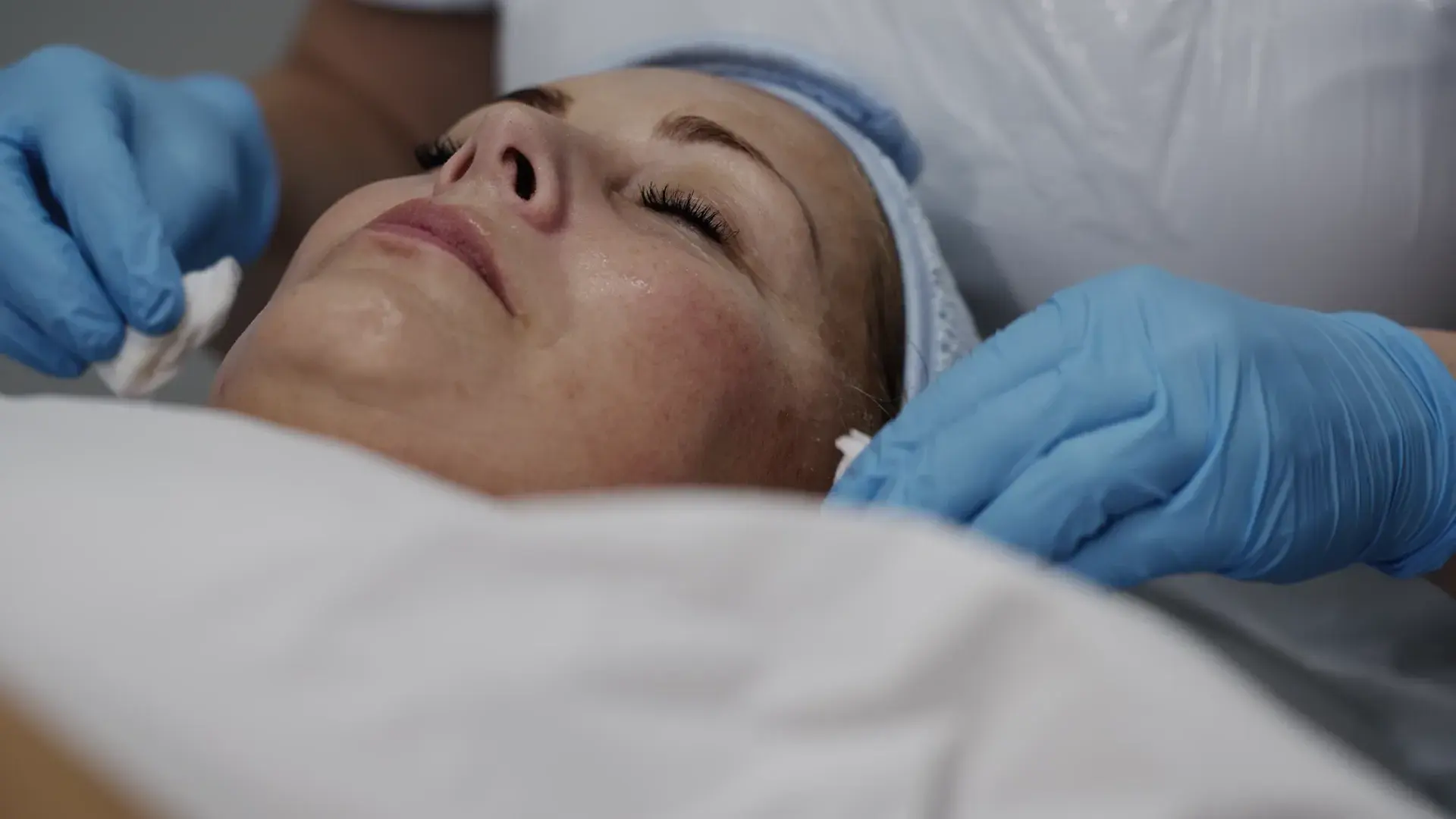
Because CO2 laser works by resurfacing the treated area, aftercare needs to support the skin through its repair process, and this typically involves more day-to-day care than a non-ablative tightening option. Naomi Waite Aesthetics will give you guidance specific to your treatment, and diligent sun protection during this period matters for how your skin's tone and texture, as well as its firmness, ultimately settle.
If laxity was one of several concerns being addressed, your practitioner will let you know what changes to expect in which order, since texture and tone often shift before firmness does.
Frequently asked questions
Here are some frequently asked questions about CO2 fractional laser for skin laxity.
Related guides
See our CO2 laser treatment page for more detail, and compare it with HIFU and RF microneedling for skin laxity below.
Book a consultation
A consultation with Naomi Waite Aesthetics will confirm whether CO2 laser, or a more targeted tightening option, fits your skin laxity.
A brief, mechanism-based comparison; the right fit depends on assessment, not a table.
| Option | How it approaches skin laxity | Might suit you if... |
|---|---|---|
| CO2 Fractional Laser | Resurfaces the skin in fractional columns, prompting a wider remodelling response. | Laxity appears alongside texture, fine lines or sun damage you would like addressed together. |
| HIFU | Directs focused ultrasound to a selected depth beneath the skin without resurfacing it. | Firmness and contour are your main concern, with little textural change. |
| RF Microneedling | Combines fine needles with radiofrequency energy at controlled depths. | You want a combined mechanical and thermal effect without surface ablation. |
Frequently asked questions
CO2 fractional laser can contribute to an improvement in skin laxity, but this tends to happen as part of a wider resurfacing effect rather than through a mechanism aimed specifically at tightening. It is generally discussed when laxity appears alongside texture, fine lines or sun damage, and suitability is confirmed at consultation. It does not offer a permanent or guaranteed result.
This depends on your skin and the combination of concerns being treated, so Naomi Waite Aesthetics will discuss a plan tailored to you rather than a fixed number in advance.
Suitability depends on several factors including your skin type, medical history and the area you would like treated, and this is properly assessed at consultation before any treatment is planned.
Sensations vary between individuals; general information is available on our CO2 laser treatment page. Your practitioner will explain what to expect for your treatment during consultation.
Because CO2 laser relies on your skin's repair and remodelling process, changes in texture typically appear before changes in firmness, and both continue to develop over the following weeks. Your practitioner can give you a clearer sense of timing once they have assessed your skin.
Neither is universally better; CO2 laser resurfaces the skin's surface and prompts wider remodelling, while RF microneedling combines needles and radiofrequency energy at controlled depths without ablating the surface. Which suits you depends on whether laxity is your main concern or appears alongside texture and sun damage, so this is best discussed at consultation.
Book Your Free Consultation
Tell us your goals. We'll tell you exactly what's possible and build a plan to get you there.