
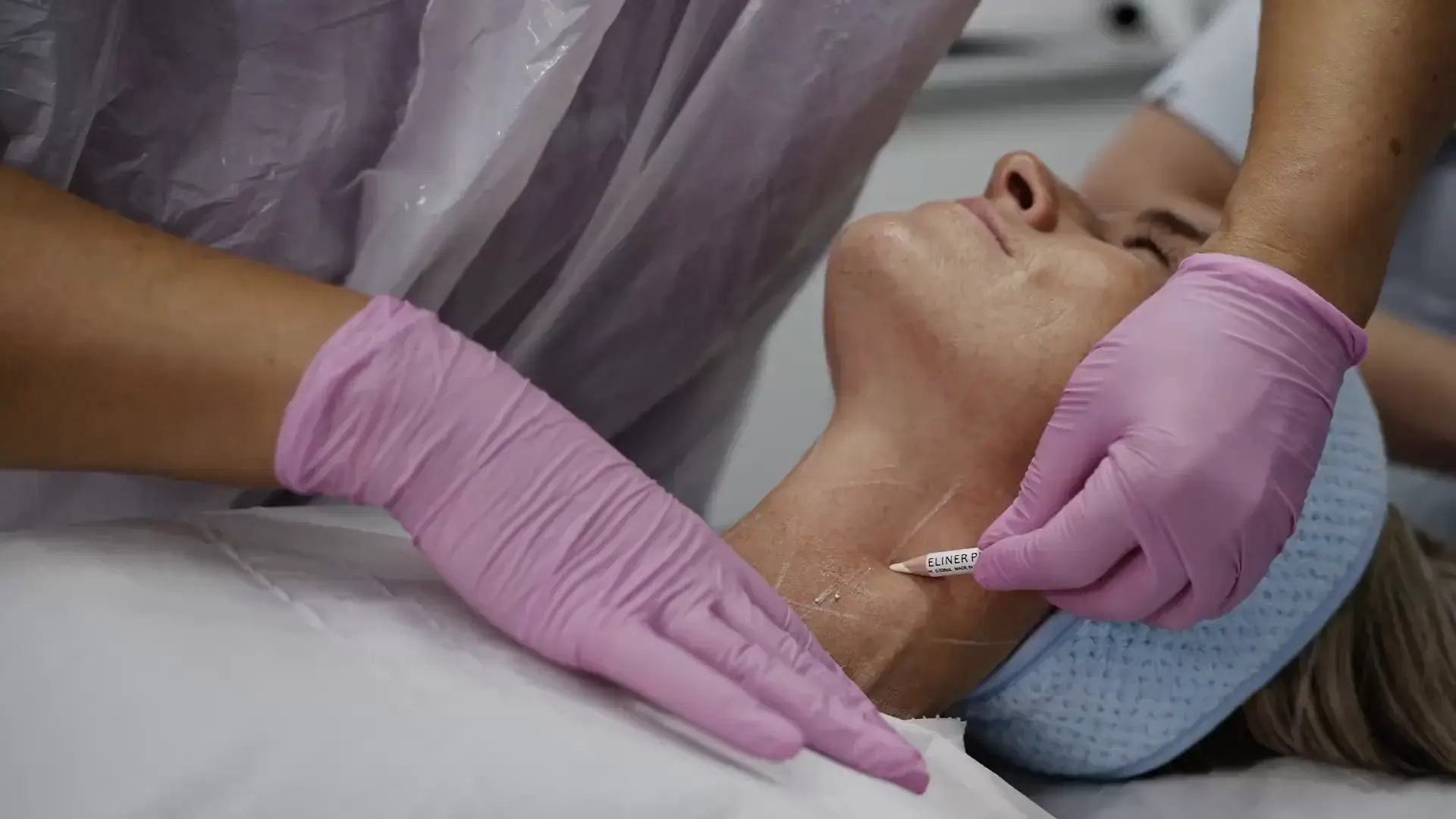
HIFU in Lancaster
If your skin feels less firm than it used to, HIFU is one of several non-surgical tightening options at the clinic. This page explains how it works, who it may suit and how it differs from other tightening treatments.
Quick answer
HIFU (high-intensity focused ultrasound) is a non-surgical treatment that focuses ultrasound energy at selected depths beneath the skin, creating small controlled heated zones that prompt remodelling. At Naomi Waite Aesthetics in Lancaster it is offered for selected face and body tightening concerns, such as skin laxity and crepey skin, after a consultation.
What is HIFU?
HIFU stands for high-intensity focused ultrasound. It is a non-surgical, energy-based treatment used for selected lifting and tightening concerns on the face and body.
It is often grouped with other skin-tightening treatments, but HIFU uses ultrasound energy. It is not radiofrequency and it is not a laser, which is one reason it may suit some people and concerns better than others.
HIFU can also be used on the body: see HIFU Body for the areas we treat.
How HIFU works
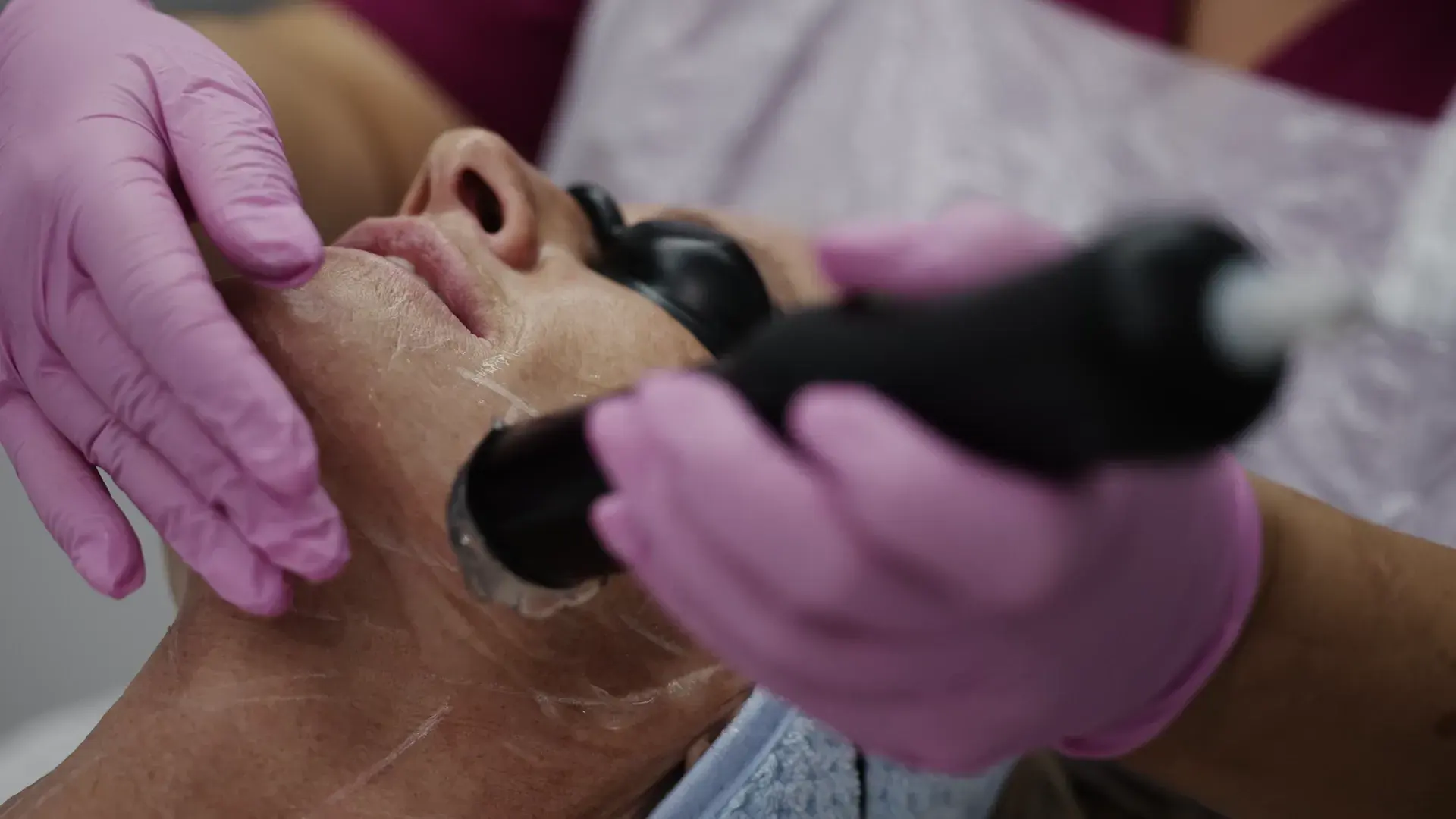
A handheld device focuses ultrasound energy at selected depths beneath the surface of the skin. At each point, the energy creates a small zone of controlled heat, known as a thermal coagulation zone.
These zones are intended to prompt the tissue's own remodelling response over time, which is why HIFU is used in tightening programmes. The depths and settings are chosen by your practitioner for your skin and the area being treated.
What HIFU can help with
HIFU may be considered for the concerns below. Whether it is the right option for you is decided at consultation, alongside the other tightening treatments the clinic offers.
- Skin laxity
- Fine lines and wrinkles
- Crepey body skin
Is HIFU right for me?
HIFU may suit you if you are noticing looser or less firm skin and would like to explore a non-surgical route. It is not a facelift and it is not a replacement for surgery, so it is important to start with realistic expectations.
Different tightening technologies play different roles. Depending on your concern and your skin, your practitioner may talk to you about HIFU, RF microneedling or NIR skin tightening, and explain why one may suit you better than another.
What happens during HIFU treatment
Your first step is a consultation, where your practitioner looks at your skin, asks about your medical history and goals, and explains whether HIFU is suitable and what it can realistically achieve for you.
On the day, the area is prepared and the handheld device is passed over the skin. Your practitioner will explain what you may feel as the treatment progresses and will check on your comfort throughout.
Downtime and aftercare
How your skin looks and feels after HIFU varies from person to person and between areas, so we do not quote a fixed downtime. Your practitioner will explain what to expect for you before you book.
You will be given aftercare to follow, based on these principles:
- Follow the written aftercare advice you are given
- Protect the treated skin from the sun
- Tell the clinic about any change in your health or medication before your next session
- Contact the clinic if anything concerns you
How HIFU compares with other tightening treatments
HIFU, RF microneedling and NIR skin tightening are all used in tightening programmes, but they use different types of energy. No single option is best for everyone: the right choice depends on your concern, your skin and your assessment.
HIFU results
We do not promise a set amount of lift or tightening, and results vary from person to person. Your practitioner will give you an honest view of what is realistic for your skin at consultation.
Where we show before and after photographs, they are of real clients, not stock or manufacturer images.
HIFU prices in Lancaster
The cost of HIFU depends on the area being treated and your plan. Current prices are listed on our prices page, and your practitioner will confirm the cost for you at consultation.
HIFU: frequently asked questions
The questions people ask most before booking HIFU. Anything else can be covered at your consultation.
Related treatments and guides
These pages cover the concerns HIFU is used for and the other tightening options at the clinic.
- RF microneedling
- NIR skin tightening
- Skin laxity
- Fine lines and wrinkles
- Crepey body skin
How HIFU differs from RF microneedling and NIR skin tightening
| Feature | HIFU | RF microneedling | NIR skin tightening |
|---|---|---|---|
| Type of energy | Focused ultrasound | Radiofrequency, delivered through fine needles | Near-infrared energy |
| How it works | Creates small, controlled heated zones at selected depths beneath the surface | Combines needling with a controlled thermal stimulus | Produces controlled warming of the tissue |
| Typical role | Selected face and body lifting and tightening concerns | Scarring, pores, texture, laxity and crepey skin | Skin rejuvenation and supportive tightening programmes |
Frequently asked questions
HIFU, or high-intensity focused ultrasound, is a non-surgical treatment that focuses ultrasound energy at selected depths beneath the skin to create small, controlled heated zones that prompt remodelling. At Naomi Waite Aesthetics in Lancaster it is used for selected face and body tightening concerns. It uses ultrasound, so it is different from both radiofrequency treatments and lasers, and it is not a surgical facelift.
Sensation varies with the area being treated and your own comfort levels, so we do not describe HIFU as painless. Your practitioner will explain what you may feel and how comfort is managed before treatment begins, and will check in with you throughout. If you are nervous, mention it at your consultation.
There is no fixed number of sessions that suits everyone, and we do not promise a set result. Your practitioner will recommend a plan based on your concern, the area being treated and how your skin responds. The plan is reviewed with you as you go, so it can be adjusted if your skin responds differently from expected.
Recovery varies between people and between areas, so we do not quote a fixed downtime. Your practitioner will explain what to expect afterwards and give you aftercare to follow, including protecting your skin from the sun. Contact the clinic if anything concerns you after your treatment.
Suitability depends on your medical history, your skin and the area to be treated. Pregnancy, metal implants and broken or irritated skin in the area are among the things your practitioner will ask about, and there may be other reasons HIFU is not advised for you. If it is not the right choice, your practitioner will explain why and suggest an alternative.
The price depends on the area treated and the plan recommended for you. Current prices are listed on our prices page, and your practitioner will confirm the cost of your plan at your consultation in Lancaster. Your plan is only agreed once your skin has been assessed.
Book Your Free Consultation
Tell us your goals. We'll tell you exactly what's possible and build a plan to get you there.