
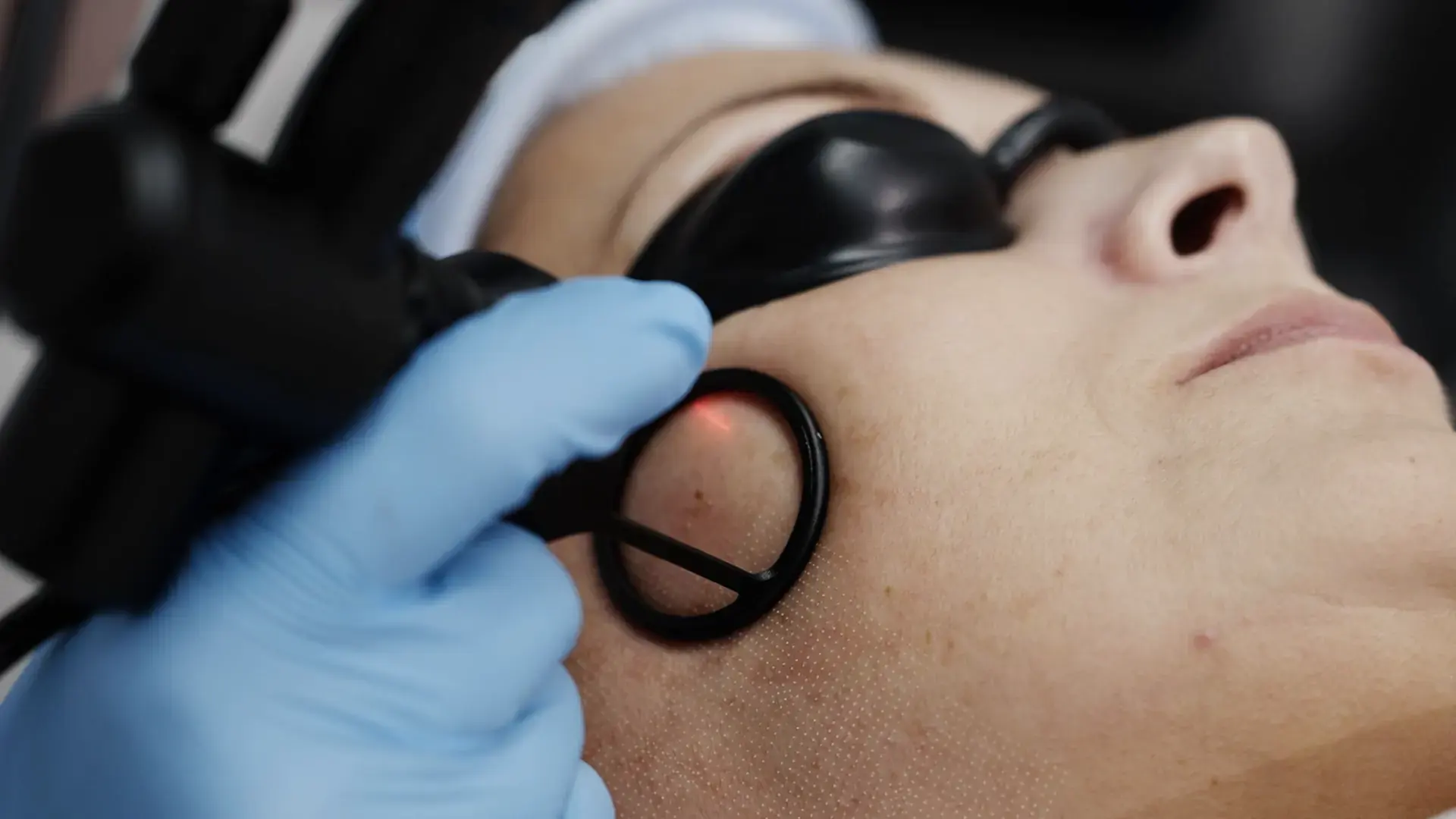
How CO2 Fractional Laser can help with acne scarring
Acne scarring often shows up as textural change across a wider area of skin, not just isolated marks, which is why many people researching it compare CO2 laser alongside other resurfacing and needling options.
Quick answer
CO2 fractional laser is one of several resurfacing options considered for acne scarring at Naomi Waite Aesthetics. It works across the whole treated area, which can suit textured, uneven scarring rather than isolated marks. Suitability depends on your scarring pattern, skin tone and goals, so a consultation confirms whether CO2, Er:YAG or another route fits best.
How CO2 Fractional Laser works on acne scarring
Acne scarring is rarely a single mark. It tends to show as a mix of shallow depressions, uneven texture and sometimes leftover pigment changes spread across the cheeks, jaw or temples. Because CO2 fractional laser treats the whole surface it is applied to, rather than working on one blemish at a time, it is often considered where scarring reads as an overall texture change rather than a handful of distinct scars.
For a full explanation of how the laser itself creates this effect, see our CO2 fractional laser treatment page. What matters for acne scarring specifically is that the pattern, depth and history of your scarring, and how your skin has responded to previous breakouts, all influence whether this kind of resurfacing is a sensible starting point or whether another route is more appropriate.
Who CO2 Fractional Laser suits for acne scarring (and when another option may fit better)
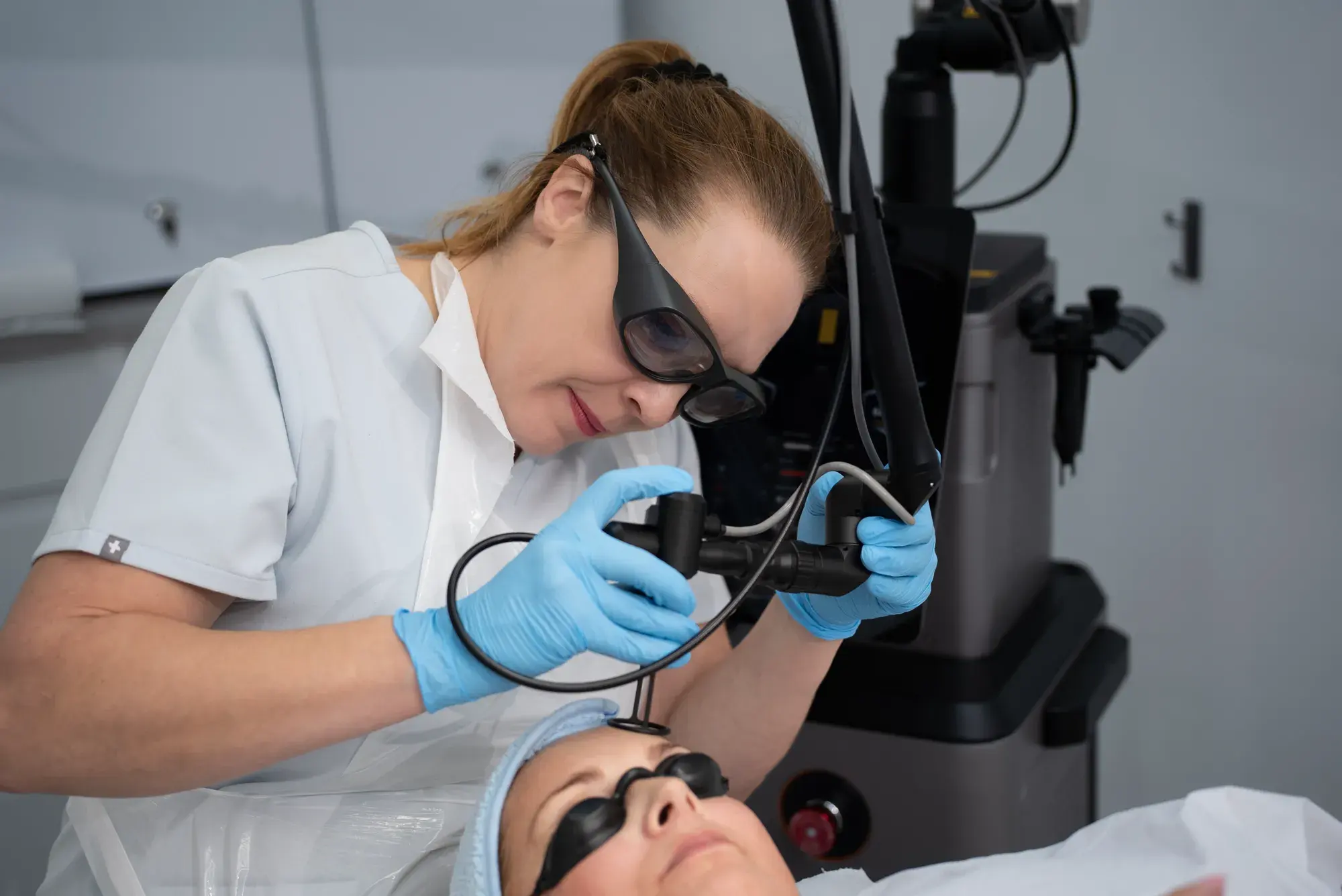
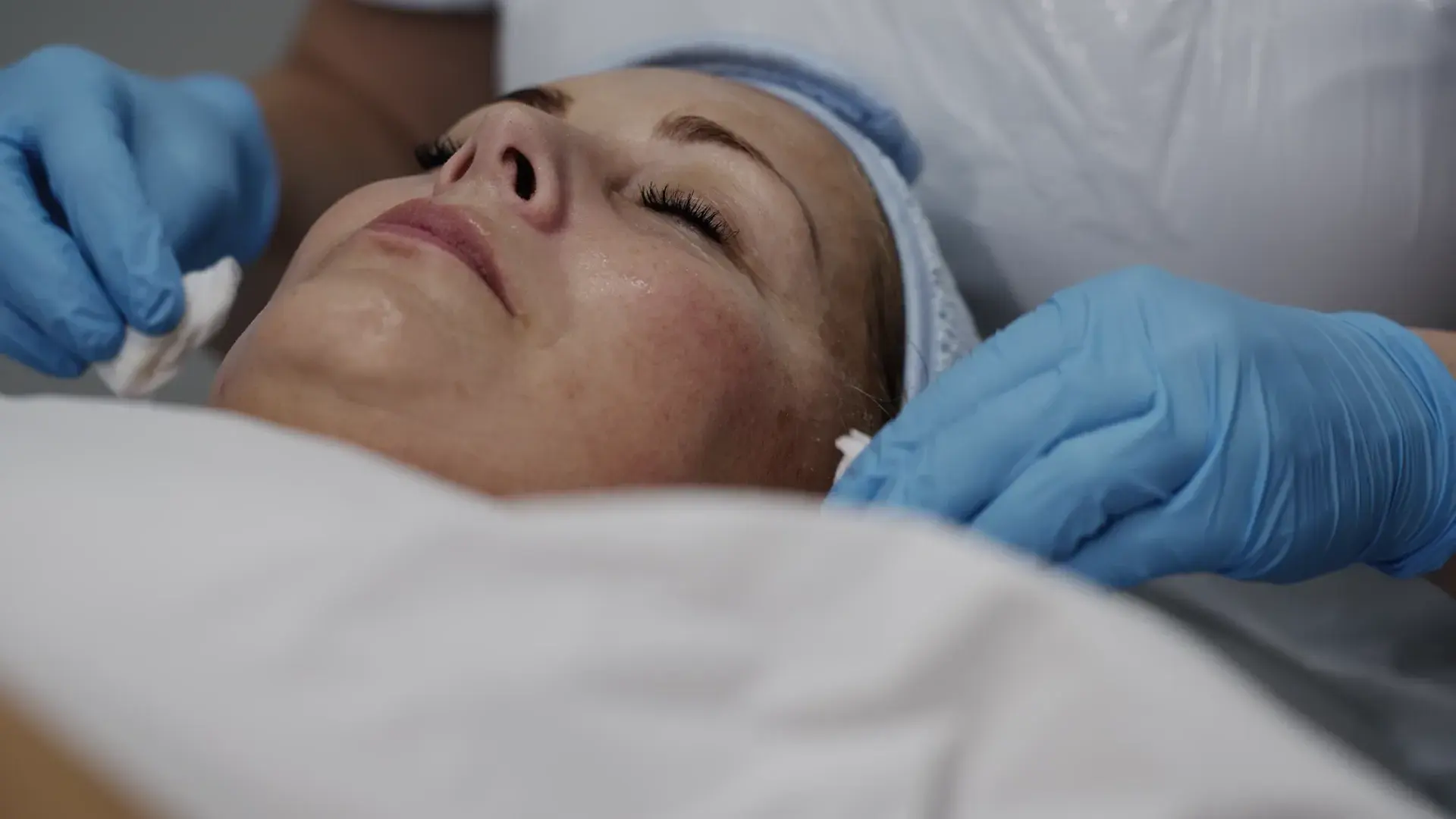
CO2 resurfacing tends to suit people with more established textural scarring who are comfortable with a more noticeable recovery period, and whose skin type and colouring have been assessed as suitable for ablative treatment. It is one of the more assertive resurfacing options we offer, so it is often discussed alongside Er:YAG laser and RF microneedling rather than in isolation.
It may fit less well where scarring is very shallow, where pigment-prone skin makes ablative treatment riskier, or where a gentler, more gradual approach is preferred. A consultation, which may include assessment with our skin scanner, helps determine which route suits your scarring pattern and skin.
What a course looks like at Naomi Waite Aesthetics
Any course for acne scarring begins with a consultation to look at your scarring pattern, skin type and history of breakouts, since active or recent acne can change the plan. From there, treatment is planned around your specific scarring rather than a fixed protocol, and your practitioner will explain what to expect for your skin and scarring specifically.
Because acne scarring can sit alongside ongoing skin concerns such as enlarged pores or occasional breakouts, your plan may combine CO2 resurfacing with other steps, for example a period of skin preparation, before or between sessions. Exact numbers and timings are confirmed at consultation rather than set in advance.
CO2 Fractional Laser compared with other options for acne scarring
CO2 sits alongside Er:YAG laser, RF microneedling, microneedling, plasma skin tightening and medical microdermabrasion as different ways of approaching acne scarring, each with a different balance of intensity, depth and downtime. Which one suits you best depends on your scarring pattern and skin, so this is worked through at consultation rather than decided from a webpage.
Aftercare after CO2 Fractional Laser for acne scarring
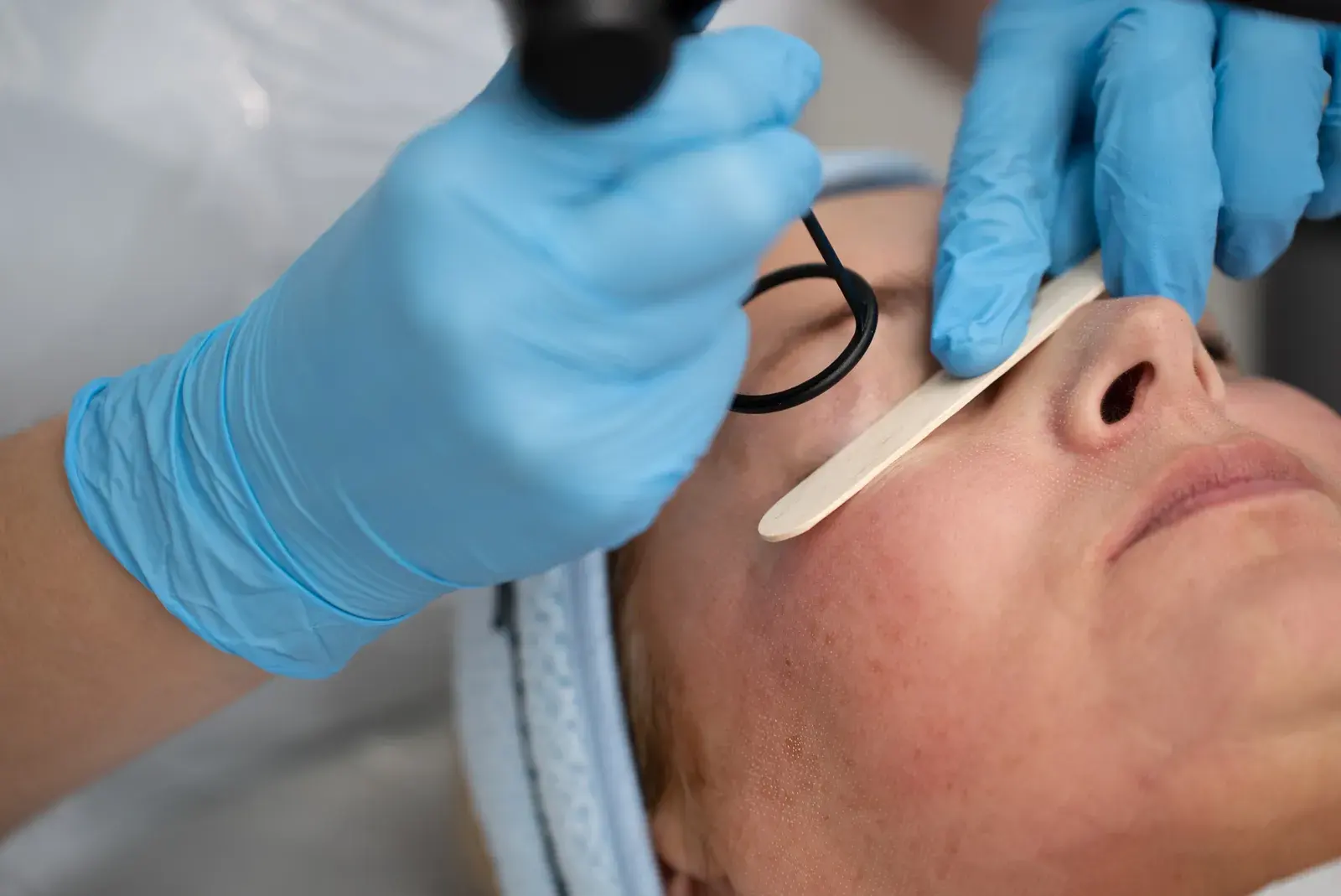
Alongside the general aftercare guidance covered on our CO2 fractional laser page, acne-prone skin needs a little extra thought during recovery. Because breakouts can still occur while skin is healing, keeping the area clean and avoiding picking or heavy makeup for the period your practitioner advises matters more than it might for other resurfacing goals.
If you are prone to breakouts, mention this at consultation so aftercare and any supporting skincare can be planned around both your scarring and your ongoing skin. Sun protection is particularly important for scarred, healing skin, since new pigment change is possible while skin recovers.
Frequently asked questions
A few of the questions we're asked most often about CO2 fractional laser for acne scarring.
Related guides
Read more about Er:YAG laser, RF microneedling and other acne-scarring options, or see how CO2 resurfacing is used for other concerns such as texture and photoageing.
Book a consultation
The best way to find out whether CO2 fractional laser suits your acne scarring is a consultation at Naomi Waite Aesthetics in Lancaster, where your skin and scarring pattern are assessed in person.
Frequently asked questions
CO2 fractional laser is a recognised resurfacing option for improving the appearance of textured acne scarring, though results vary between individuals. It cannot remove scarring completely or guarantee a specific outcome. A consultation will assess your scarring pattern and skin to confirm whether it's a sensible option for you.
This depends on the depth and pattern of your scarring, your skin, and how it responds to treatment, so we don't quote a fixed number of sessions in advance. Your practitioner will discuss a realistic plan for your scarring at consultation.
Suitability depends on your skin tone, medical history and the nature of your acne scarring, not on scarring alone. Some skin types carry a higher risk of pigment changes after ablative resurfacing, which is why this is always assessed in person before any treatment plan is agreed.
General sensation and comfort measures for CO2 fractional laser are covered on our treatment page. For acne scarring specifically, any areas with particularly thin or previously scarred skin can feel slightly different, which your practitioner will talk you through before starting.
Skin responds to resurfacing gradually as it heals and remodels, and visible change in scarring texture typically continues over the weeks following treatment rather than appearing immediately. Your practitioner can give you a realistic sense of timing for your specific scarring at consultation.
Neither is universally better: both are ablative resurfacing lasers with a different balance of depth and precision, and the right choice depends on your scarring pattern and skin. We compare the two against your specific scarring at consultation rather than recommending one by default.
Book Your Free Consultation
Tell us your goals. We'll tell you exactly what's possible and build a plan to get you there.