
Acne Scarring
Acne may have settled, but the texture it leaves behind can stay. Here is what acne scarring is, why it happens and how the clinic approaches it.
Quick answer
Acne scarring is a lasting change in the skin's texture left behind after acne, such as pitted, rolling or raised scars. It is different from temporary red or dark marks. At Naomi Waite Aesthetics in Lancaster, laser resurfacing, RF microneedling, microneedling and other options may improve its appearance, chosen after a consultation.
What is acne scarring?
Acne scarring is a change in the skin's texture that remains after acne has healed. It happens when inflamed spots damage the deeper layers of the skin and the repair process does not restore the surface evenly. It often affects the face, and it can also appear on the chest, shoulders and back.
Many acne scars are depressed, sitting below the surrounding skin. These are often described as ice pick scars (narrow and deep), boxcar scars (wider, with defined edges) and rolling scars (which give the skin a wavy look). Some scars are raised instead, and these need careful assessment before any treatment.
It helps to separate true scarring from post-acne marks. Red, pink or brown marks left after a spot are changes in colour rather than texture, and they often fade with time. Many people have a mix of both, which is one reason a consultation is so useful before choosing a treatment.
What causes acne scarring?
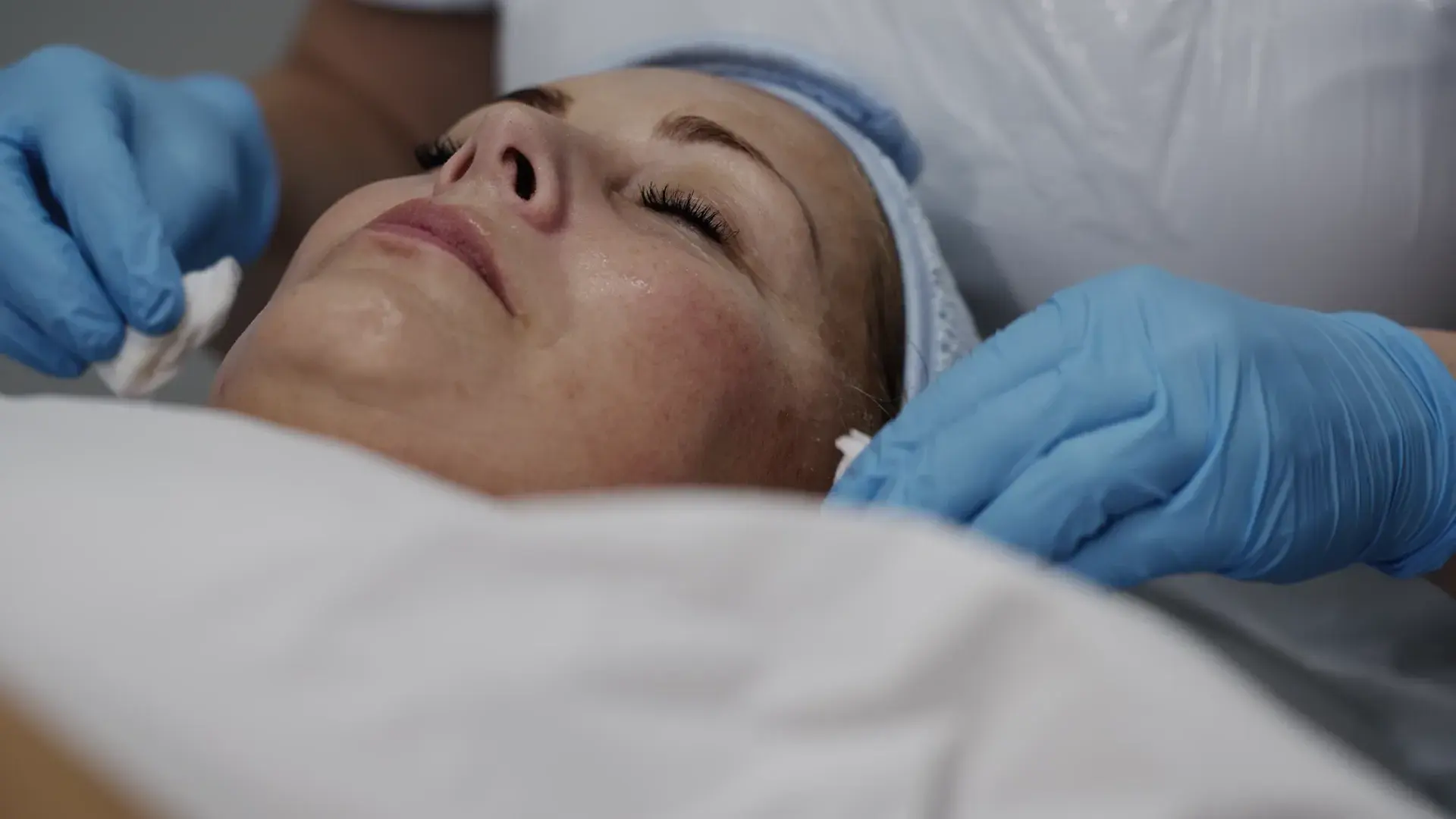
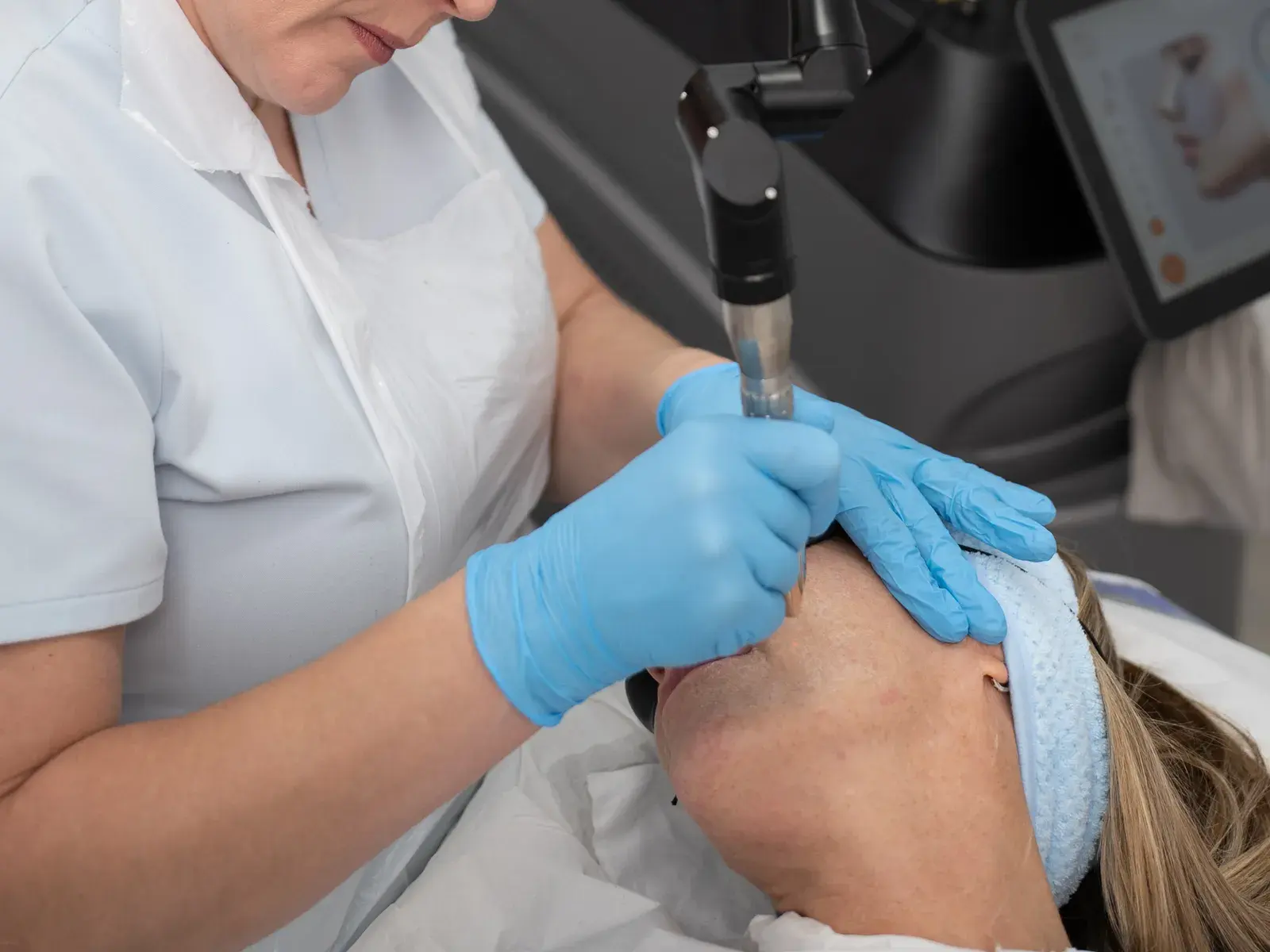
Scarring is part of the skin's natural healing response. When a spot is deep or very inflamed, it can damage collagen, the protein that gives skin its structure. As the skin repairs itself, it may lay down too little collagen, leaving a dip, or occasionally too much, leaving a raised scar.
If you still have active breakouts, it is usually sensible to bring these under control first, with your GP's help where needed, as new inflammation can lead to new scars. Your practitioner will look at your scar types, skin type and history before suggesting a plan. Factors that can increase the chance of scarring include:
- Deeper, more inflamed or cystic acne
- Picking, squeezing or popping spots
- Acne that continues for a long time before it is treated
- Genetics, as some people are more prone to scarring
- Individual differences in how your skin heals
Related treatments
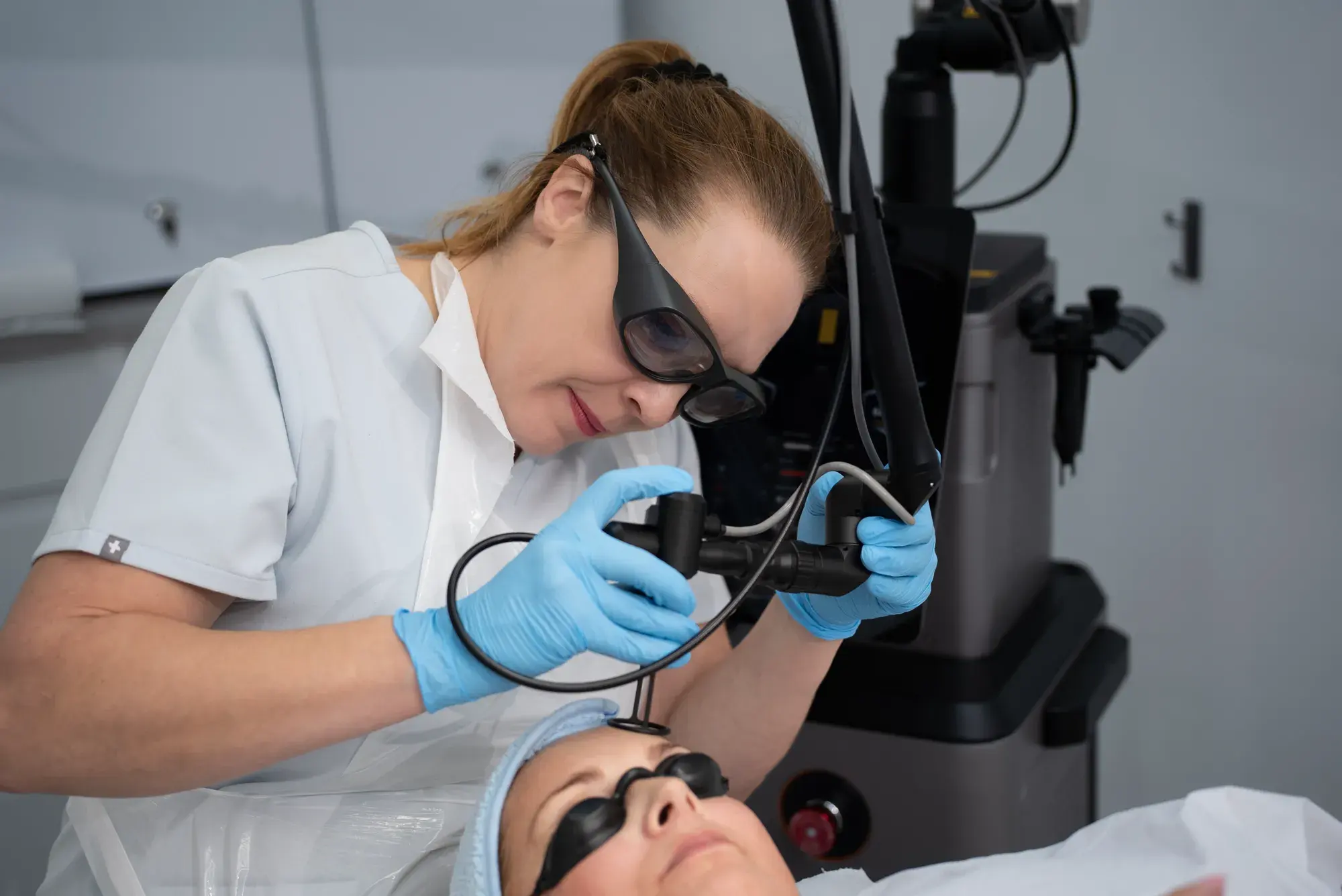 CO2 Fractional LaserCO2 fractional laser is an ablative resurfacing treatment that works on tiny columns of skin at a time, prompting the skin to repair itself and remodel collagen. At Naomi Waite Aesthetics in Lancaster it is used for concerns such as fine lines, acne scarring, uneven texture, enlarged pores and sun-related ageing, following a consultation.Find out more
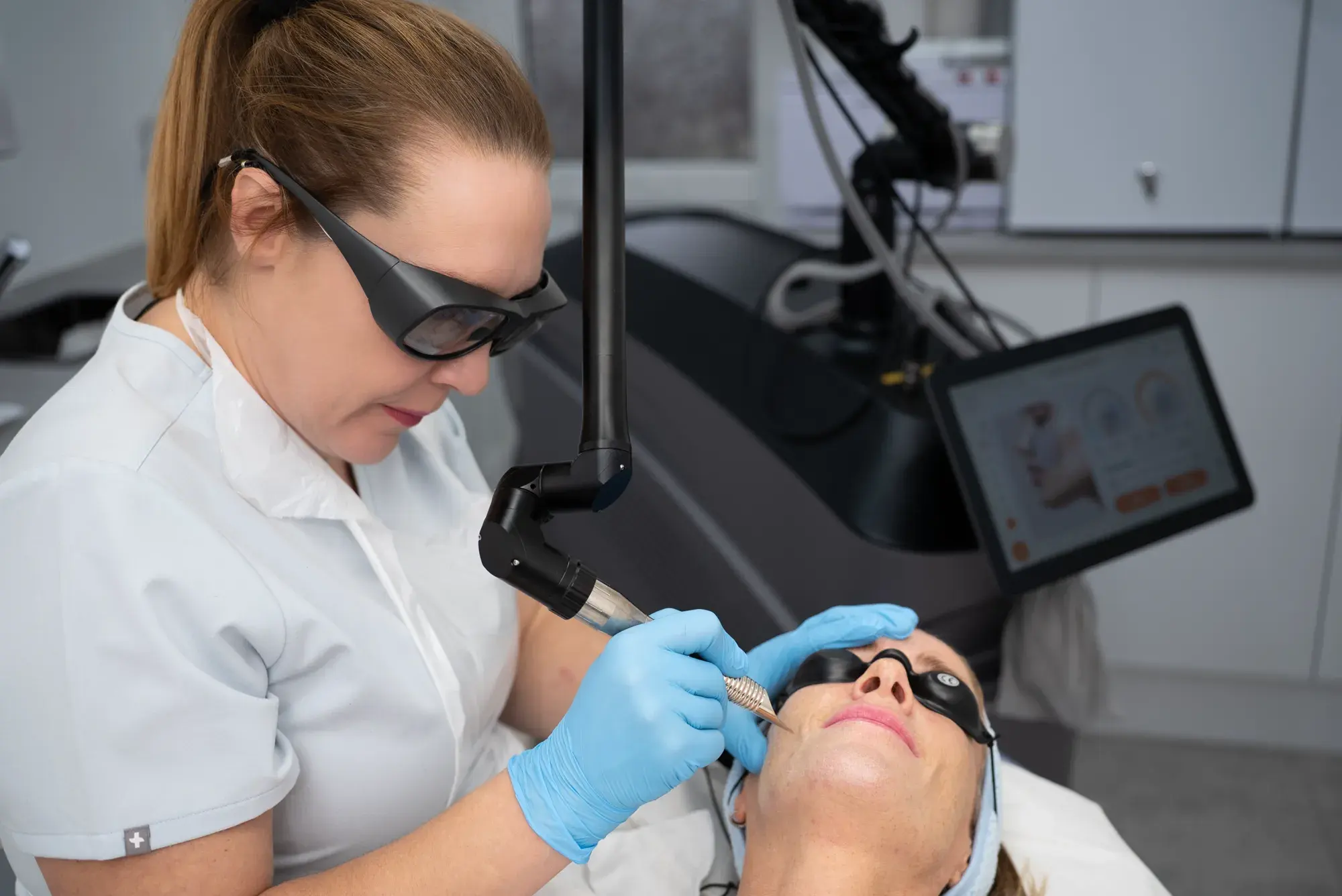 Er:YAG 2940 LaserEr:YAG 2940 laser, often called erbium laser, is an ablative resurfacing treatment. Its 2940 nm wavelength is strongly absorbed by water in the skin, which allows precise resurfacing. At Naomi Waite Aesthetics in Lancaster it is used for uneven texture, fine lines, sun-related ageing, enlarged pores and selected scarring, following a consultation.Find out more
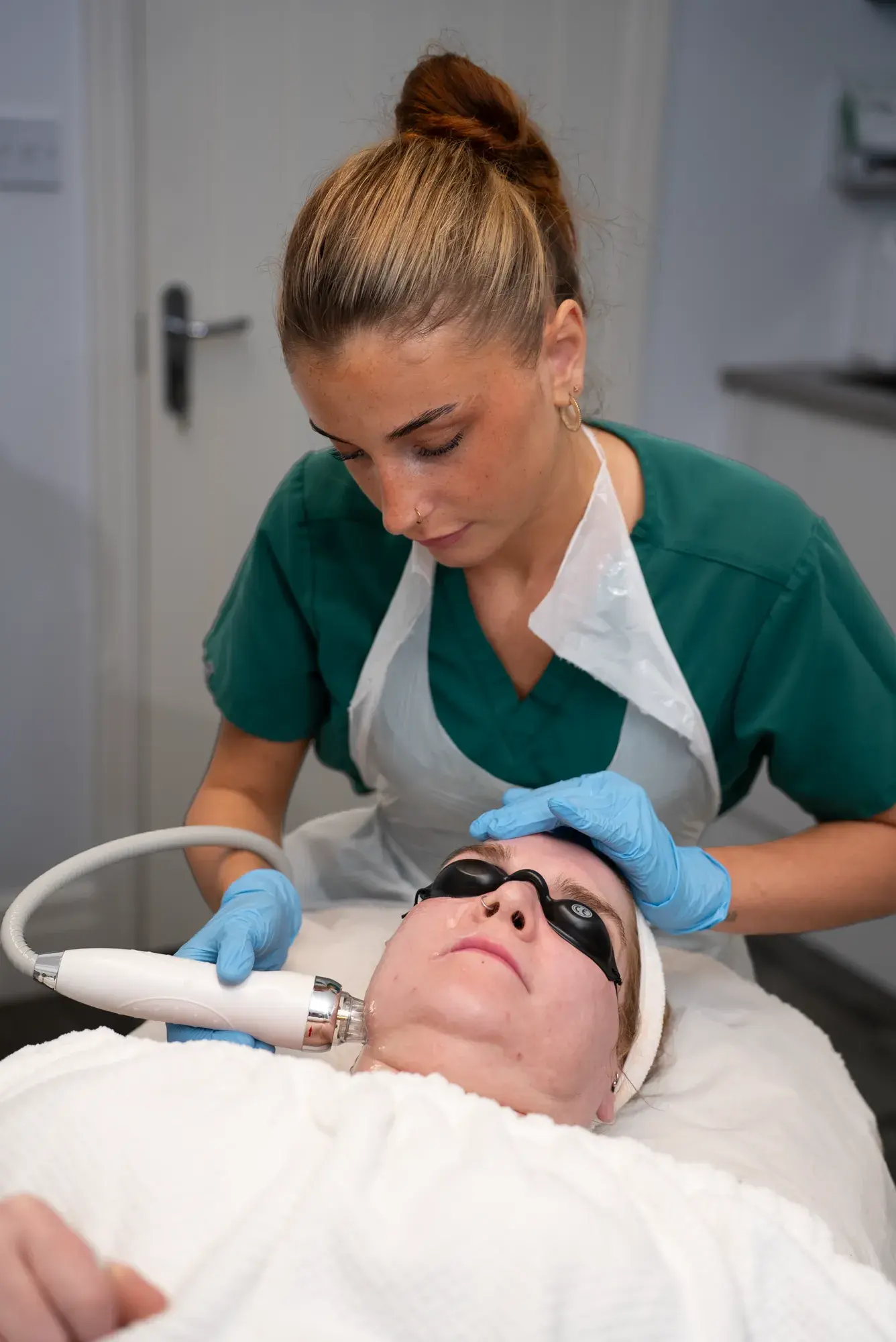 RF MicroneedlingRF microneedling combines fine needles with radiofrequency energy delivered at controlled depths, giving the skin both a mechanical and a thermal stimulus for collagen remodelling. At Naomi Waite Aesthetics in Lancaster it is used for acne scars, enlarged pores, texture, crepey skin, stretch marks and scars on the face and body, following a consultation.Find out more
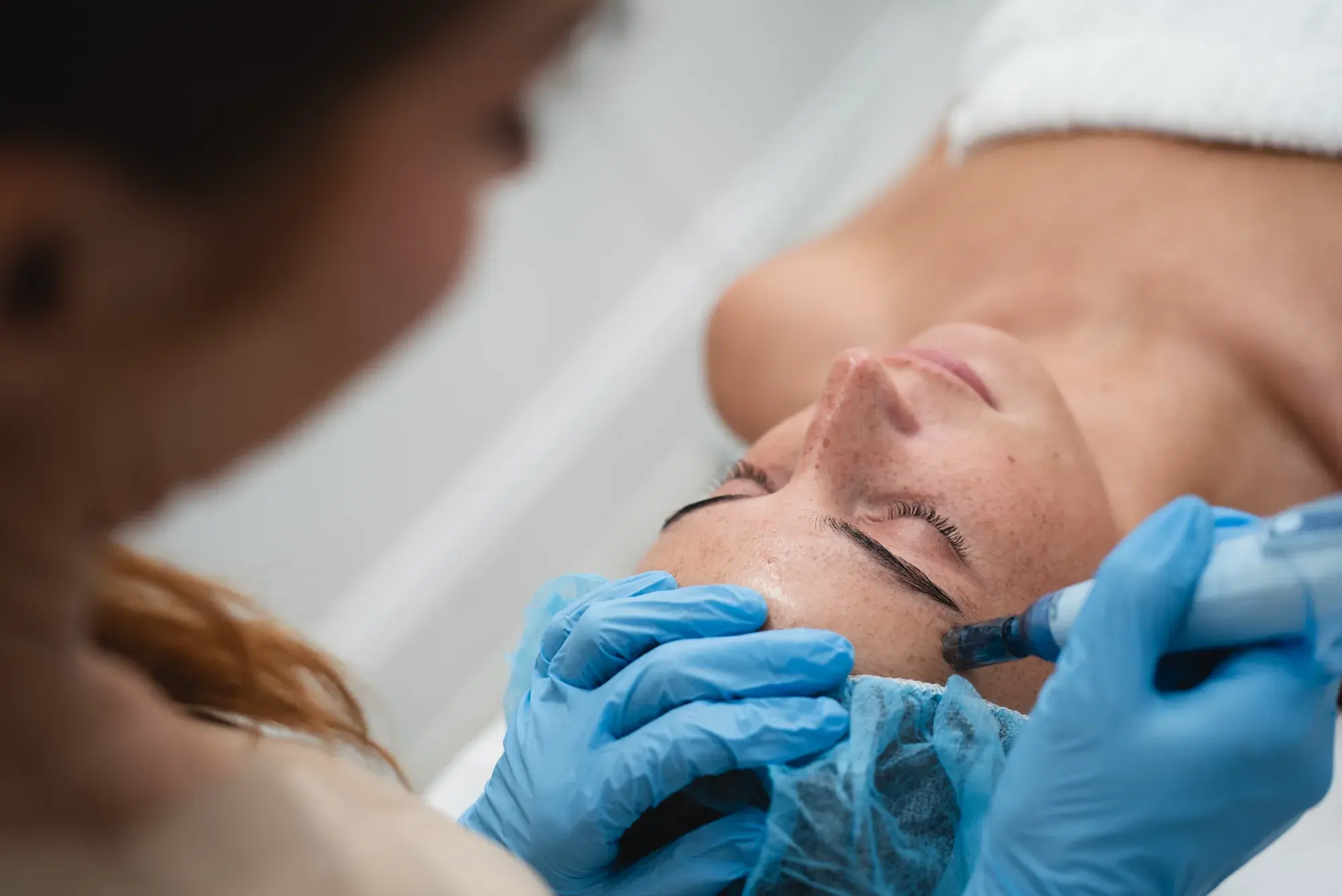 MicroneedlingMicroneedling, also called collagen induction therapy, uses fine needles to create controlled micro-injuries in the skin, prompting its natural wound-healing and remodelling response. At Naomi Waite Aesthetics in Lancaster it is considered for skin texture, enlarged pores, fine lines, selected scarring and stretch marks, following a consultation.Find out more
 Plasma Skin TighteningPlasma skin tightening is a non-surgical treatment that uses a plasma pen to create tiny plasma arcs at the skin's surface, delivering controlled heat that aims to encourage the skin's own renewal. At Naomi Waite Aesthetics in Lancaster it is considered for fine lines, skin laxity, acne scarring and selected pigmentation, following consultation.Find out more
 Medical MicrodermabrasionMedical microdermabrasion is a mechanical exfoliation treatment that uses a diamond-tipped wand and suction to remove the outermost layer of dead skin cells. At Naomi Waite Aesthetics in Lancaster it is considered for skin texture, fine lines, the appearance of acne scarring and selected pigmentation, following a consultation.Find out more
How three options for acne scarring differ
| Feature | CO2 Fractional Laser | Er:YAG 2940 Laser | RF Microneedling |
|---|---|---|---|
| Type of treatment | Ablative fractional resurfacing laser | Ablative resurfacing laser | Fine needles combined with radiofrequency energy |
| How it works | Treats tiny columns of skin, prompting repair and collagen remodelling | Its wavelength is strongly absorbed by water in the skin, allowing precise resurfacing | Gives the skin a mechanical and a thermal stimulus for collagen remodelling |
| Also considered for | Fine lines, uneven texture, enlarged pores and sun-related ageing | Uneven texture, fine lines, sun-related ageing and enlarged pores | Enlarged pores, texture, stretch marks and scars on the body |
Frequently asked questions
Acne scarring happens when deep or inflamed spots damage the collagen in the skin, and the skin repairs itself unevenly. Picking or squeezing spots, long-lasting acne and genetics can all increase the chance of scarring.
There is no single best treatment, because scar types and skin types vary. CO2 and Er:YAG laser resurfacing, RF microneedling, microneedling, plasma and medical microdermabrasion each have a different role, and some plans combine more than one. Your practitioner will recommend a route after assessing your scars at consultation.
This depends on your scar types, your skin and the treatment chosen, so a set number cannot be promised in advance. Acne scarring is usually approached as a planned programme rather than a single appointment. Your practitioner will explain a suggested plan at consultation.
Resurfacing lasers and needle-based treatments can be uncomfortable, and the sensation varies with the treatment and the area. Your practitioner will explain what to expect, how comfort is managed and check on you throughout.
Downtime varies considerably. More intensive treatments, such as ablative resurfacing lasers, generally need more recovery time than gentler options. Your practitioner will explain what to expect for your chosen treatment and give you clear aftercare advice.
New breakouts can lead to new scars, and skin naturally changes with age, which can affect how scarring looks over time. Treatment aims to improve the appearance of existing scarring rather than remove it. Your practitioner will talk about keeping acne under control as part of your plan.
Suitability depends on your skin type, scar type and medical history, and some treatments need extra care with certain skin types. Your practitioner will check all of this at consultation and recommend an option that suits your skin.
The cost depends on the treatment you choose and whether you have a single session or a course. Current prices are listed on the clinic's prices page, and your practitioner will confirm the cost of your personalised plan for acne scarring at consultation.
Book Your Free Consultation
Tell us your goals. We'll tell you exactly what's possible and build a plan to get you there.