
Dehydrated Skin
If your skin feels tight, looks tired or seems to drink up moisturiser, it may be dehydrated. Here is what that means for your skin and how the clinic can help.
Quick answer
Dehydrated skin is skin that is short of water, which can leave it feeling tight and looking dull, with fine lines that seem more obvious. It can affect any skin type, including oily skin. At Naomi Waite Aesthetics in Lancaster, hydrating facials, LED light therapy and a skin booster are among the options, chosen at consultation.
What is dehydrated skin?
Dehydrated skin is skin that lacks water. It is different from dry skin, which is a skin type that produces less oil. This means that even oily or combination skin can be dehydrated, and some people are surprised to find they have shine and tightness at the same time.
Common signs include a tight or uncomfortable feeling, especially after cleansing, a dull or tired appearance, and fine lines that look more noticeable than usual. Make-up may sit less smoothly, and skin can feel more sensitive or reactive than normal.
Dehydration is a common concern and often comes and goes with the seasons, your environment and your routine. Because it can look similar to other skin concerns, a consultation and skin analysis help confirm what is going on before any treatment is suggested.
What causes dehydrated skin?
The outer layer of your skin acts as a barrier that helps hold water in. When that barrier is disrupted, or when your surroundings draw moisture out of the skin, it can lose water faster than it replaces it.
It is often a combination of factors rather than one single cause. Understanding which apply to you means your practitioner can suggest in-clinic treatment alongside practical changes to your home routine, so your skin is supported between appointments. Common contributing factors include:
- Cold, windy weather and low humidity
- Central heating and air conditioning
- Harsh cleansers, over-exfoliation or using too many active products at once
- Long, hot showers or baths
- Sun exposure
- Lifestyle factors such as alcohol, smoking and poor sleep
- Some skincare ingredients and medicines that can have a drying effect
Related treatments
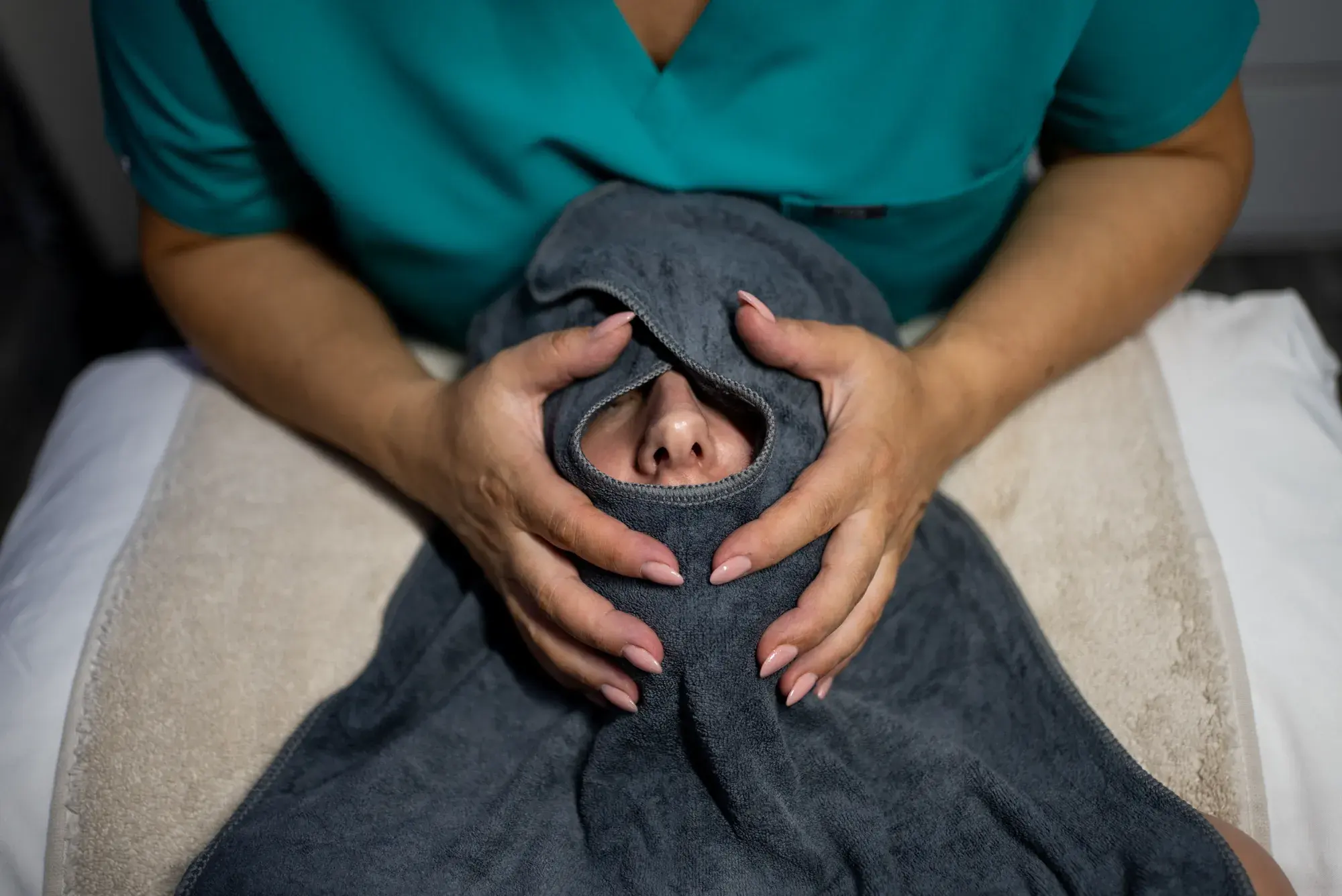 HydrofacialA Hydrofacial is a hydro-dermabrasion facial that uses fluid-based steps to cleanse, exfoliate, extract and hydrate the skin. At Naomi Waite Aesthetics in Lancaster it is used for congestion, blackheads, dehydration, dull skin and visible pores, and as a maintenance facial, with each treatment selected according to your skin's needs.Find out more
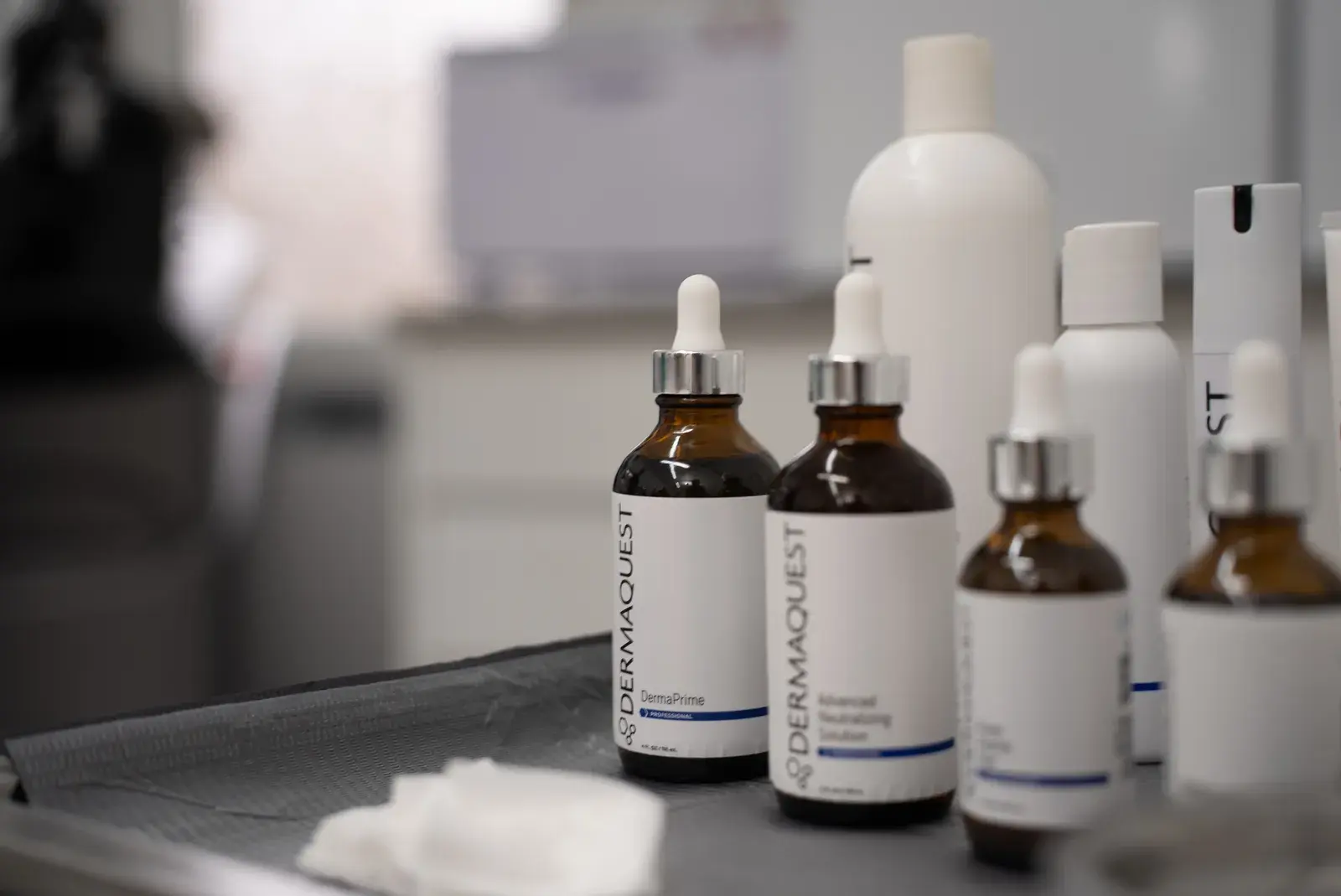 DermaQuest Active FacialsDermaQuest Active Facials are professional facial treatments that use targeted DermaQuest skincare formulations, selected for your skin concern. At Naomi Waite Aesthetics in Lancaster they are used for concerns such as ageing, pigmentation, congestion, sensitivity, dehydration and dullness. They are different from a Hydrofacial and are not automatically a chemical peel.Find out more
 LED Light TherapyLED light therapy is a non-ablative, low-level light treatment that uses selected wavelengths of light to influence how skin cells respond, without removing the skin's surface. At Naomi Waite Aesthetics in Lancaster it is used on its own or alongside other treatments, including in selected acne and skin-recovery programmes, after a consultation.Find out more
How three options for dehydrated skin differ
| Feature | Hydrofacial | DermaQuest Active Facials |
|---|---|---|
| What it is | Hydro-dermabrasion (aqua-peel) facial | Targeted professional active facial |
| How it works | Fluid-based steps to cleanse, exfoliate, extract and hydrate | DermaQuest formulations selected for your skin concern |
| Also considered for | Congestion, blackheads, dull skin and maintenance | Ageing, pigmentation, congestion and sensitivity |
Frequently asked questions
Dehydrated skin happens when your skin loses more water than it holds on to. Common factors include weather, central heating, harsh or over-used skincare, hot showers, sun exposure and lifestyle habits. It can affect any skin type, including oily skin.
There is no single best treatment for everyone. A Hydrofacial, DermaQuest Active Facials and LED light therapy each have a different role, and some plans combine more than one. Your practitioner will recommend a route after assessing your skin at consultation.
It depends on your skin, what is causing the dehydration and which treatment you choose. Some options are often used as a course or as regular maintenance. Your practitioner will explain a suggested plan at consultation rather than a fixed number.
Hydrating facials are generally comfortable, and many people find them relaxing. Your practitioner will explain what to expect. You can ask questions about comfort at any point.
Downtime varies between treatments, and some options are gentler on the skin than others. Your practitioner will explain what to expect for the treatment you choose and give you clear aftercare advice.
Yes, dehydration can return, because it is closely linked to your environment, the seasons and your routine. Treatment aims to improve how your skin looks and feels, and a suitable home routine and occasional maintenance can help support that.
Dehydration can affect every skin type, and treatments are chosen to suit your skin. Your practitioner will check your skin, medical history and current products at consultation before recommending anything.
The cost depends on the treatment you choose and whether you have a single session or a course. Current prices are listed on the clinic's prices page, and your practitioner will confirm the cost of your personalised plan for dehydrated skin at consultation.
Book Your Free Consultation
Tell us your goals. We'll tell you exactly what's possible and build a plan to get you there.