
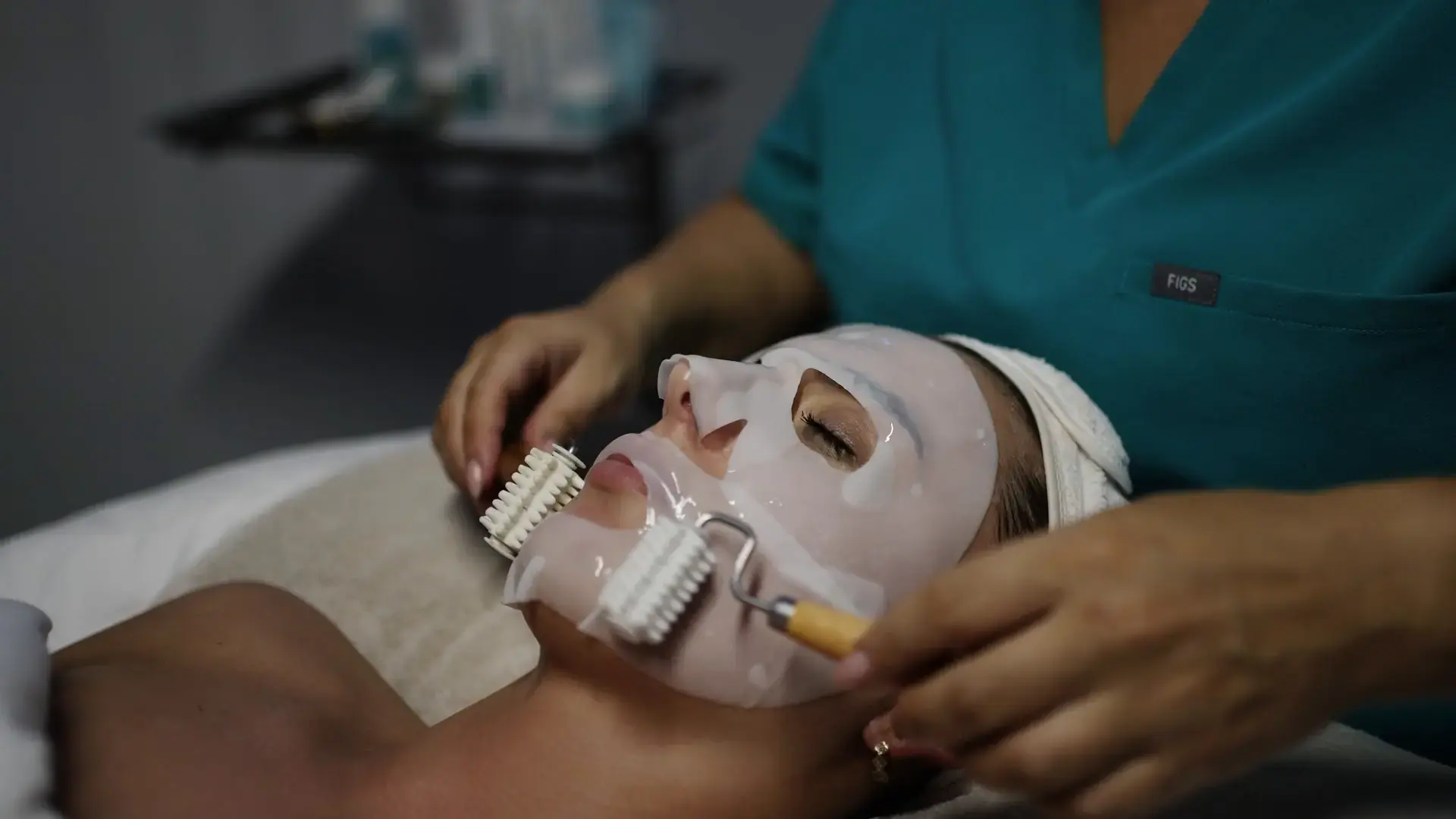
How Hydrofacial can help with dehydrated skin
Dehydrated skin lacks water rather than oil, which is why a hydrating, cleansing facial such as Hydrofacial is often one of the first things discussed at Naomi Waite Aesthetics in Lancaster.
Quick answer
A Hydrofacial can suit dehydrated skin well because its cleansing, exfoliation and hydration steps are chosen to match what your skin needs on the day. For skin that feels tight, flaky or dull from lack of moisture, it can leave the complexion feeling more comfortable and looking fresher, especially as part of an ongoing skincare routine.
How Hydrofacial works on dehydrated skin
Dehydration shows up as tightness, flaking or a dull, thirsty look, and it can affect any skin type, including oily skin. Because a Hydrofacial's sequence of steps is selected according to what your skin needs at that visit, the emphasis for dehydrated skin tends to sit on lifting away surface dryness and dullness before hydration is worked back in, rather than on the deeper extraction steps used for congested skin.
That flexibility is part of why it is considered for dehydration specifically: the same treatment can be adjusted in focus depending on whether the priority is comfort, glow or preparing the skin to absorb home skincare more effectively. It is not a substitute for a daily moisturising routine, but it can give tired, thirsty skin a noticeable lift as part of one.
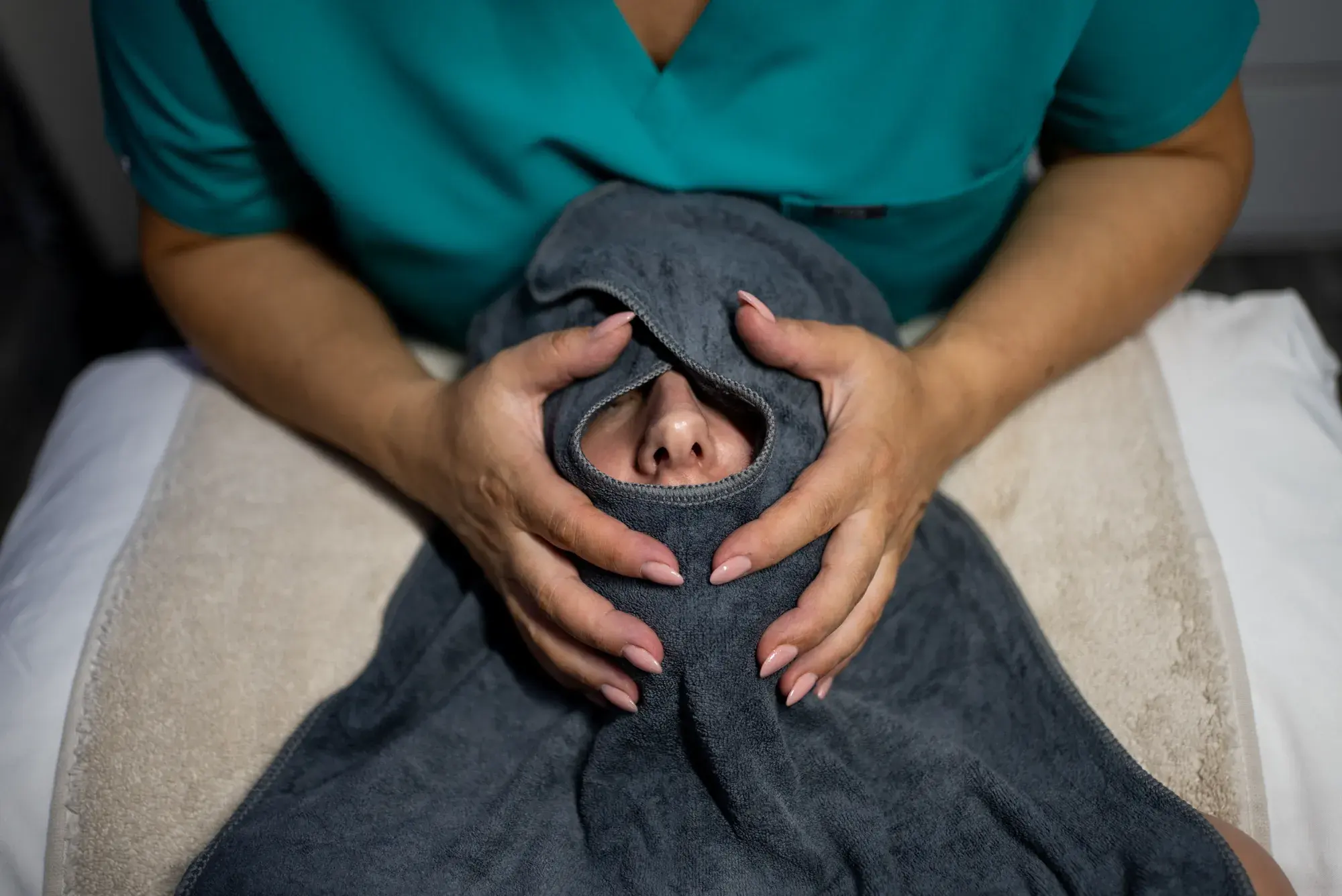
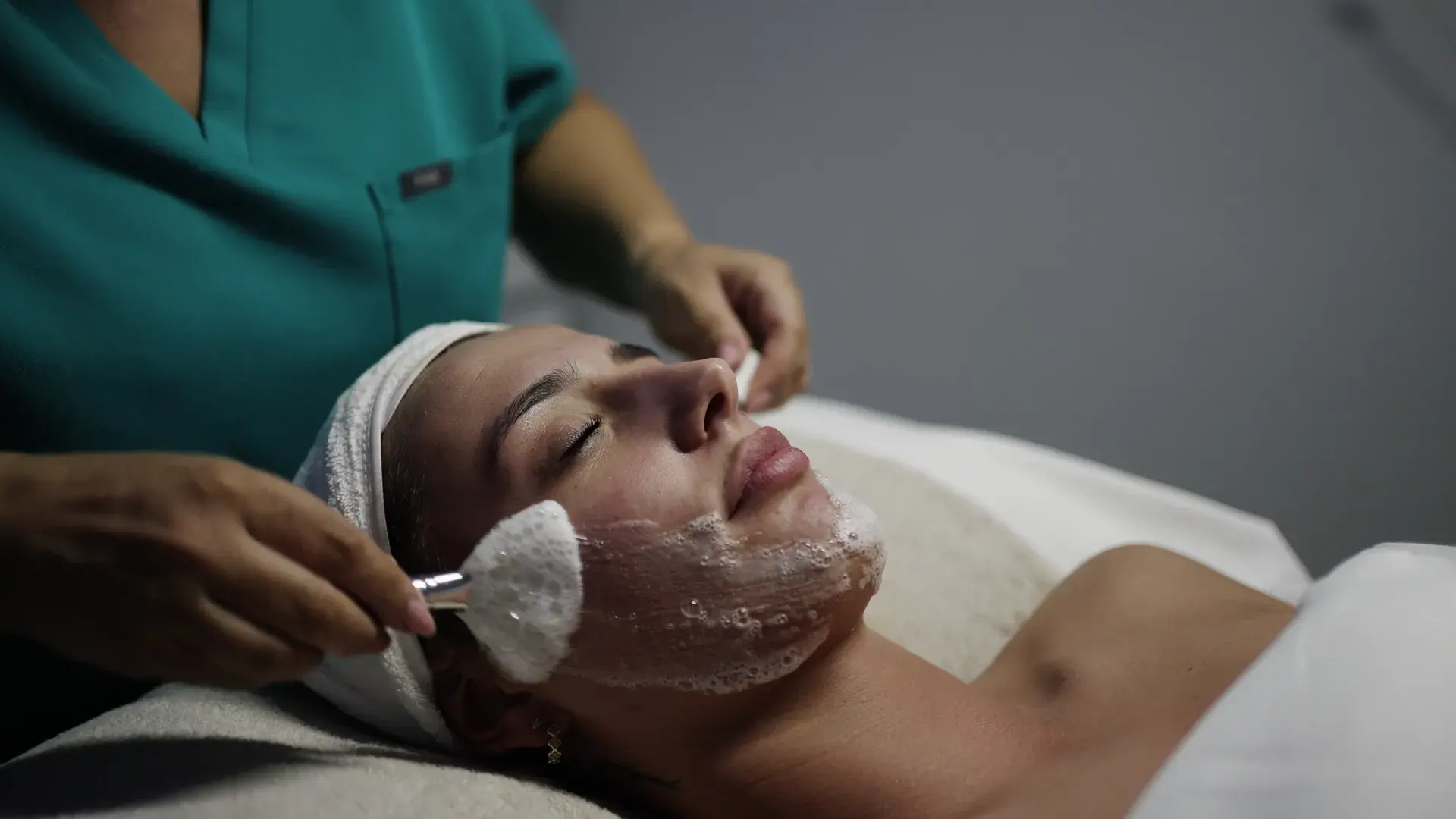
Who Hydrofacial suits for dehydrated skin (and when another option may fit better)
Hydrofacial tends to suit people whose main complaint is tightness, flakiness or a lack-lustre, dull complexion, especially where there is no significant congestion, active breakout or pigment concern driving the appearance. It is often chosen as a refreshing one-off before an event or as part of a regular maintenance routine for skin that dehydrates easily.
Where dehydration sits alongside other concerns, a different route, or a combination, may be discussed instead. If congestion or breakouts are more prominent than dryness, DermaQuest Active Facials or a chemical peel may be the better starting point. Which option, or combination, suits you is something Naomi Waite Aesthetics will talk through at consultation rather than something this page can determine.
- Tightness, flaking or a dull, thirsty complexion is the main concern
- There is little active congestion, breakout or pigment change involved
- You want a refreshing single treatment or an easy to repeat maintenance routine
What a course looks like at Naomi Waite Aesthetics
Some clients have a single Hydrofacial as a refresh before a big occasion, while others build a short course to help chronically dehydrated skin hold moisture better over time. How many sessions make sense, and how far apart, is decided at your consultation once Naomi Waite Aesthetics has assessed your skin, rather than following a fixed plan for every client.
Because dehydration is often linked to lifestyle, weather and the products used at home, a Hydrofacial is usually discussed alongside simple daily skincare habits rather than as a stand-alone fix. Bringing your current routine to the consultation helps build a plan that supports what the treatment is doing.
Hydrofacial compared with other options for dehydrated skin
Hydrofacial is one of several routes Naomi Waite Aesthetics may consider for dehydrated skin, alongside DermaQuest Active Facials and LED Light Therapy. The table below is a general guide, not a substitute for an assessment of your own skin.
Aftercare after Hydrofacial for dehydrated skin
For dehydrated skin specifically, the main aftercare focus is keeping the moisture the treatment has helped restore, rather than stripping it straight back out. Applying a good moisturiser as soon as you can afterwards, and continuing with SPF the next day, helps make the most of the hydration step.
It is also worth going easy on strong actives, such as retinoids or exfoliating acids, for a day or two afterwards if your skin already feels sensitive from dehydration, and mentioning any reaction to Naomi Waite Aesthetics so future visits can be adjusted.
Frequently asked questions
A few of the questions people ask most often about Hydrofacial for dehydrated skin.
Related guides
Related reading on Hydrofacial and on other options for dehydrated skin.
Book a consultation
If dehydrated skin is bothering you, book a consultation with Naomi Waite Aesthetics in Lancaster to talk through whether Hydrofacial or another option suits you best.
A general guide to how these options are typically used for dehydrated skin. Your consultation will confirm what is right for your own skin.
| Option | Typically used for | Where it fits for dehydrated skin |
|---|---|---|
| Hydrofacial | Cleansing, hydration, congestion and maintenance | Often a first step for tight, flaky or dull dehydrated skin without significant congestion |
| DermaQuest Active Facials | Targeted active facial treatments for a range of concerns | May suit dehydration that sits alongside dullness, sensitivity or early ageing concerns |
| LED Light Therapy | Non-ablative light treatment, often used alongside other treatments | Sometimes added to a plan rather than used as the sole approach to dehydration |
Frequently asked questions
Many people find their skin feels more comfortable and looks fresher after a Hydrofacial, because the treatment is adjusted to focus on hydration when that is what your skin needs. Everyone's skin responds differently, so Naomi Waite Aesthetics will assess yours at consultation rather than promising a specific result.
This depends on how dehydrated your skin is and what else is going on, so there is no set number that applies to everyone. Some clients have a single treatment as a refresh, others build a short course; your consultation will cover what is realistic for you.
Hydrofacial can usually be adapted for a range of skin types, but suitability also depends on things like any active skin conditions or sensitivities you have. Naomi Waite Aesthetics will check this with you before booking you in.
Most clients describe it as a comfortable, relaxing facial rather than anything uncomfortable. Exact sensation can vary from person to person, and the team can talk you through what to expect at your consultation.
Some people notice their skin feels more hydrated and looks brighter fairly soon afterwards, while others need a short course before they see a clearer change. Because this varies, it is best discussed at consultation rather than promised in advance.
Neither is automatically better; they work in different ways and suit different combinations of concerns. Hydrofacial tends to focus on cleansing and hydration, while Active Facials use targeted formulations for a broader set of concerns, so the right choice depends on your skin at assessment.
Book Your Free Consultation
Tell us your goals. We'll tell you exactly what's possible and build a plan to get you there.