
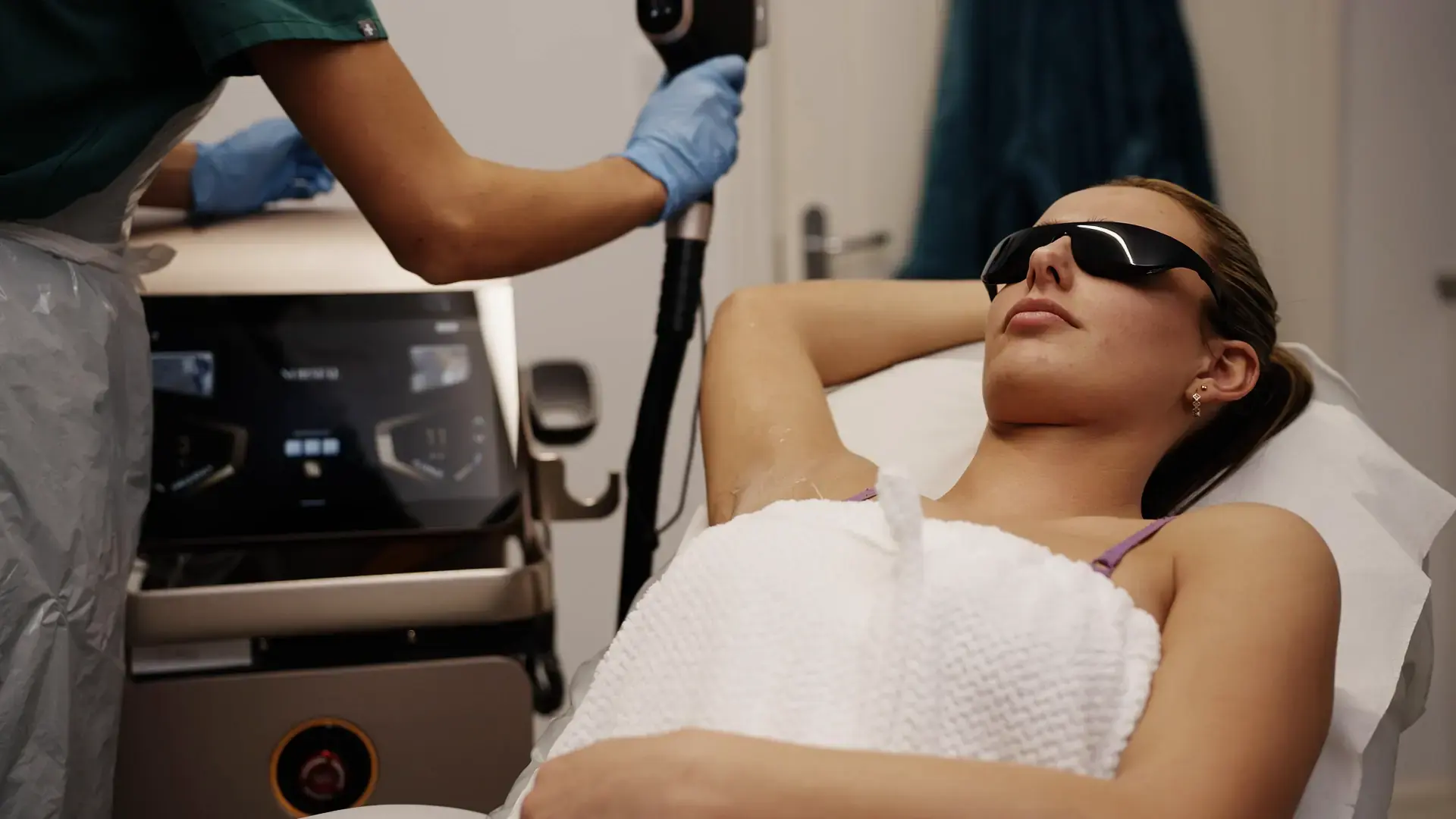
How Diode Laser Hair Removal can help with ingrown hairs
Ingrown hairs often happen when regrowing hair curls back into the skin, so reducing the amount of hair that regrows is one indirect way people try to manage recurring problem areas.
Quick answer
Diode laser hair removal reduces the pigmented hair that can lead to ingrown hairs, so less regrowth may mean fewer ingrown hairs developing, as a side effect of hair reduction rather than a direct treatment for them. It won't clear hairs already trapped under the skin or treat any skin reaction from ingrown hairs, and suitability is confirmed at consultation.
How Diode Laser Hair Removal works on ingrown hairs
Diode laser targets pigment in the hair to reduce regrowth over a course of treatment, and for ingrown hairs the connection is indirect rather than direct: less hair regrowing, and finer hair where it does regrow, can mean fewer chances for a hair to curl back under the skin's surface.
It's working on hair growth, not on any ingrown hairs already present, and it won't free a trapped hair or calm existing inflammation; those are best managed with your usual skincare routine or, if persistent, discussed with your GP alongside any laser course.
Who Diode Laser Hair Removal suits for ingrown hairs (and when another option may fit better)
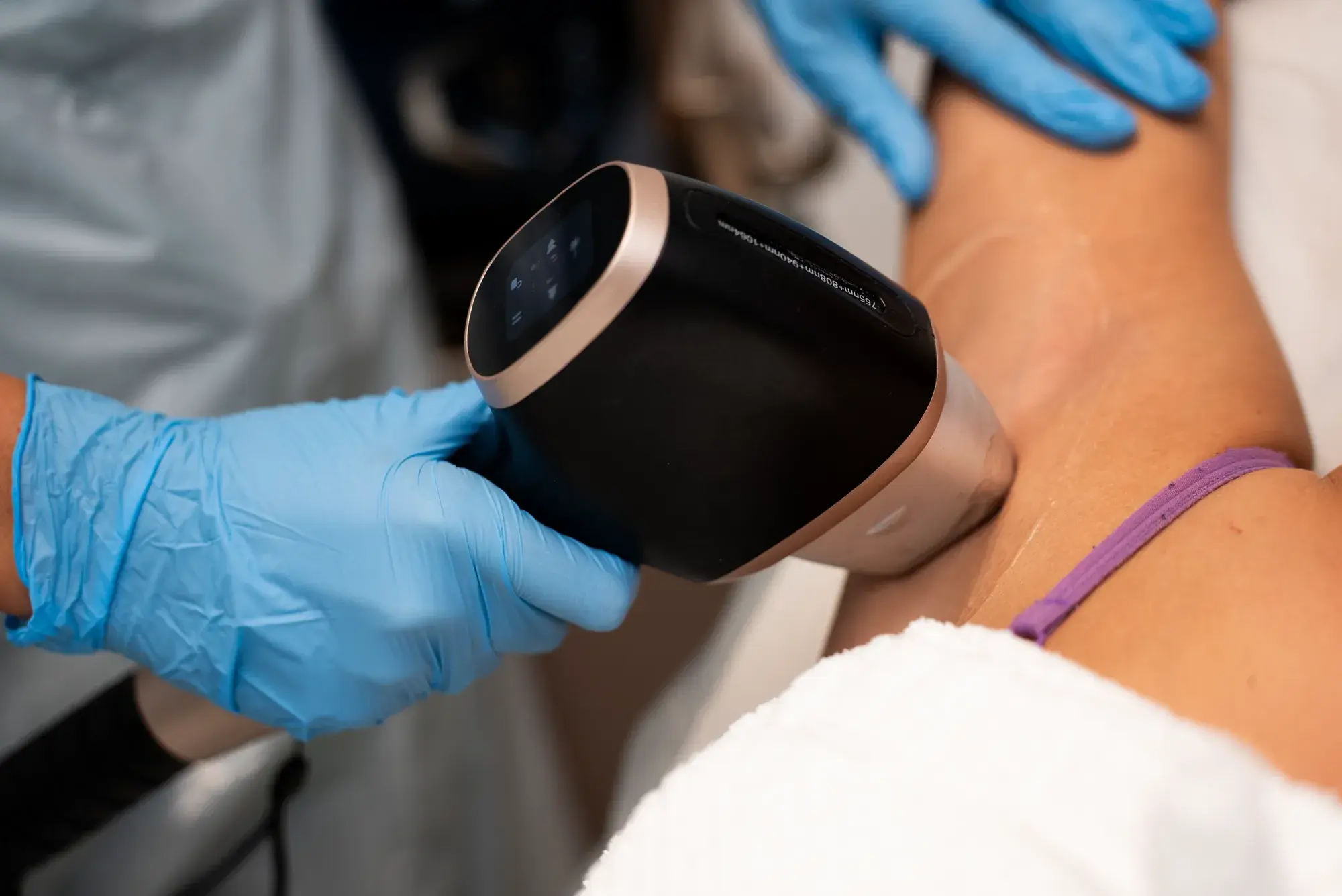
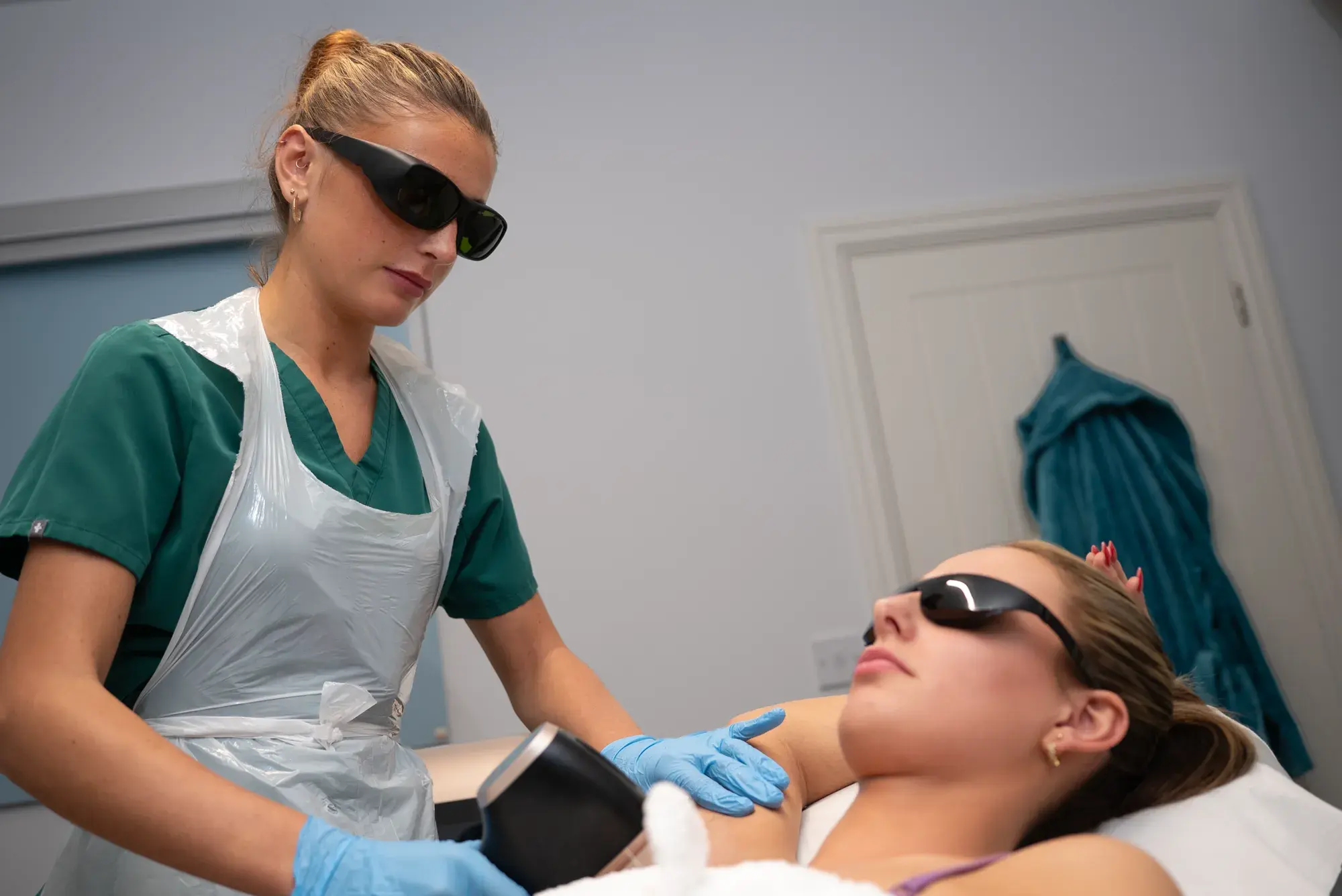
Diode is often considered by people who get ingrown hairs repeatedly in the same area and also want less regrowth generally, common areas including the beard line, underarms and bikini line, with the understanding that it's addressing future hair growth rather than the ingrown hairs already there.
It doesn't work on hair with little pigment, so if pale, fine or white hairs are part of the picture, laser won't be effective and electrolysis is usually the better route; this is worth raising at consultation. Ongoing inflammation, scarring or signs of infection from ingrown hairs are a medical matter for your GP to assess, separately from any cosmetic hair-reduction plan.
What a course looks like at Naomi Waite Aesthetics
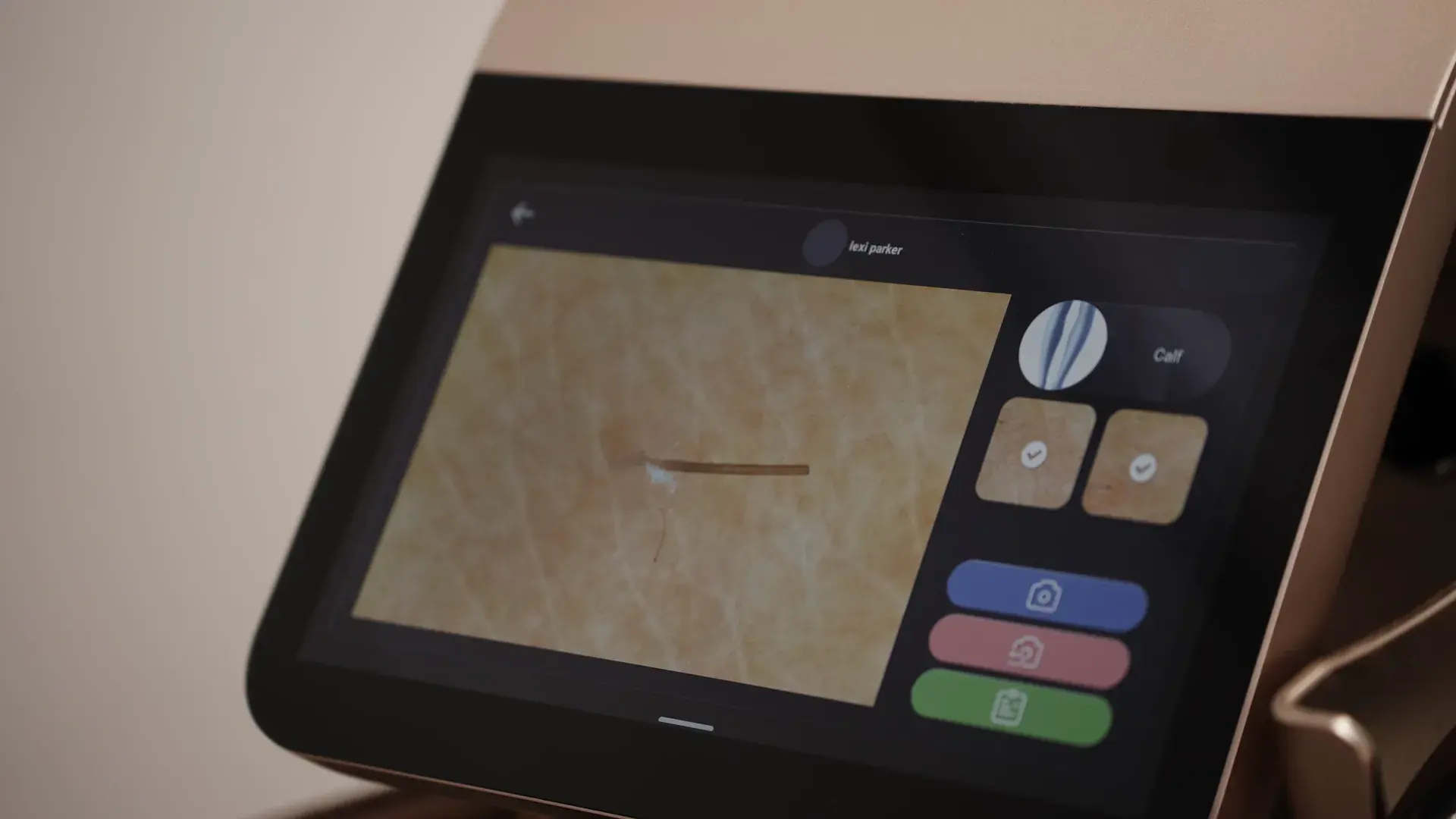
A course for the hair-reduction side of ingrown hairs follows the same principle as any diode course: it's built around your hair, skin and the specific area affected, with realistic spacing between sessions rather than a generic schedule.
Your practitioner will review how your skin and hair respond as the course goes on, and talk you through how it fits alongside anything you're already doing, such as gentle exfoliation, to help manage the area day to day.
Diode Laser Hair Removal compared with other options for ingrown hairs
Diode and Alexandrite / Nd:YAG work on the same principle for ingrown hairs; see the comparison on the Alexandrite / Nd:YAG page for detail, and discuss which suits your hair and skin at consultation.
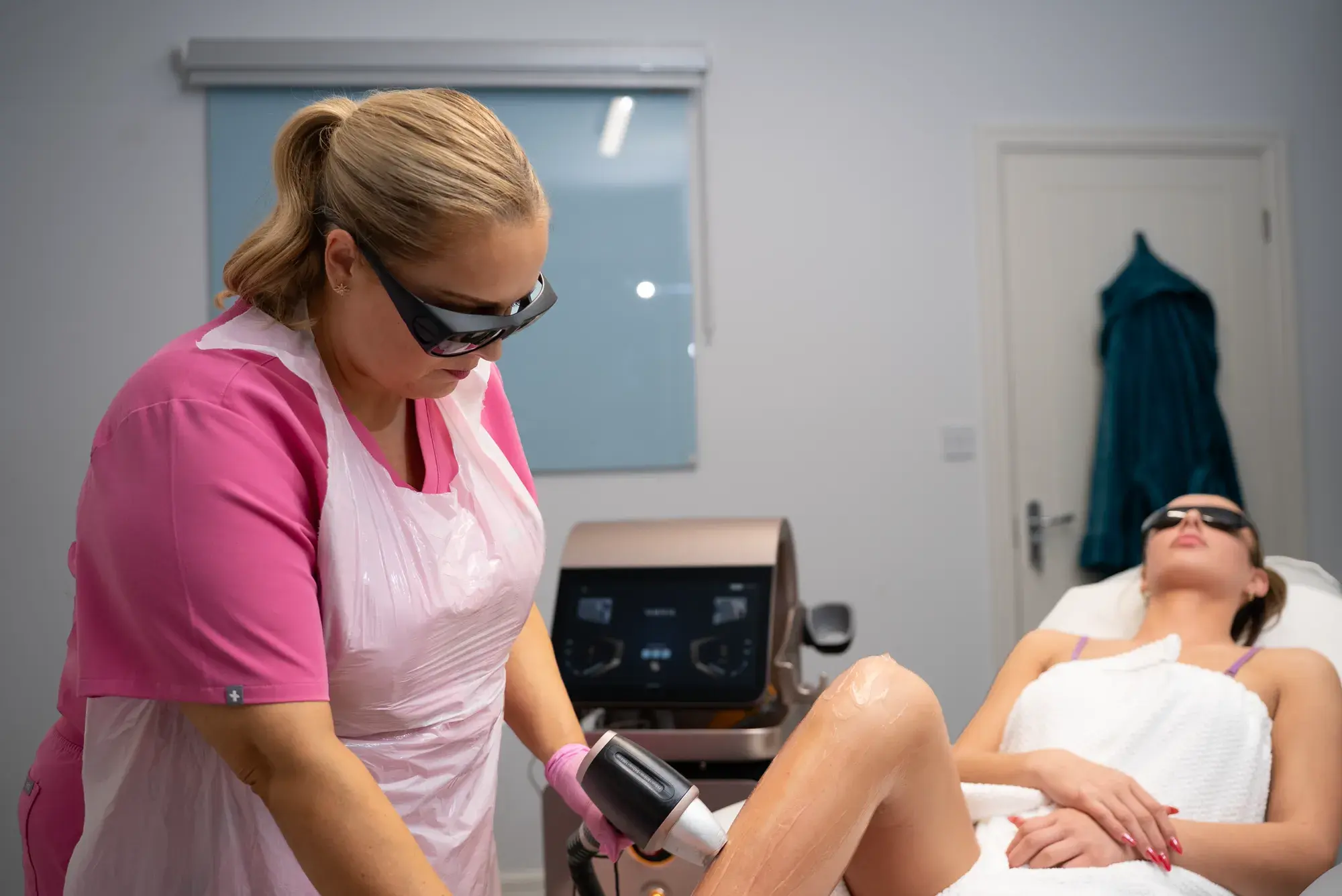
Aftercare after Diode Laser Hair Removal for ingrown hairs
Areas that are prone to ingrown hairs are often already a little more reactive, so keep the treated area clean, avoid tight or rubbing clothing over it, and protect it from the sun while it settles after treatment.
Hold off on shaving, waxing or plucking the treated area between sessions, since these interrupt the hair-growth cycle the treatment relies on. Your practitioner will confirm how this fits with any routine you use to manage the area between appointments.
Frequently asked questions
A few of the questions we're asked most often about diode laser hair removal for ingrown hairs are below.
Related guides
See our ingrown hairs hub and the Alexandrite / Nd:YAG page linked below for the other hair-reduction laser option.
Book a consultation
To discuss whether hair reduction could help manage your ingrown hairs, book a consultation with Naomi Waite Aesthetics.
Diode laser and electrolysis take different approaches to hair that contributes to ingrown hairs, and which is appropriate depends on the hair itself, particularly whether it carries enough pigment for a laser to target.
| Aspect | Diode Laser | Electrolysis |
|---|---|---|
| Works on | Pigmented hair | Any hair, including non-pigmented (grey, white, fine vellus) |
| Role for ingrown hairs | Reduces future regrowth as an indirect way to lessen ingrown hairs | Removes individual hairs directly, regardless of pigment |
| Best fit when | Hair carries enough pigment for laser to target | Hair has little or no pigment, or only isolated hairs remain |
Frequently asked questions
It can help indirectly, by reducing the hair that regrows in the area, which may lower how often ingrown hairs occur over time. It isn't a treatment for ingrown hairs already there, and your practitioner will explain what's realistic for your skin at consultation.
This depends on your hair, skin and the area affected, so we don't quote a fixed number upfront. Your practitioner will plan a course with you at consultation and adjust it as your hair responds.
Suitability is assessed individually, taking into account your skin, your hair and any history of irritation or ingrown hairs in the area. This is confirmed at consultation rather than assumed.
Sensation varies between people and areas, and can feel different on skin that's already a little sensitised from recurring ingrown hairs. Your practitioner will talk you through what to expect at your appointment.
Since this works through reduced hair regrowth over a course of sessions, any change in how often ingrown hairs appear tends to be gradual, and it varies between people. Your practitioner will discuss realistic timing for your skin at consultation.
Both reduce hair growth on the same principle, so neither is inherently better for managing ingrown hairs; the right choice depends on your hair and skin. Your practitioner will help you decide at consultation.
Book Your Free Consultation
Tell us your goals. We'll tell you exactly what's possible and build a plan to get you there.