
Scars
Whether a scar comes from surgery, an accident or a past skin condition, it is natural to want it to look less noticeable. Here is how scars form and how the clinic approaches them.
Quick answer
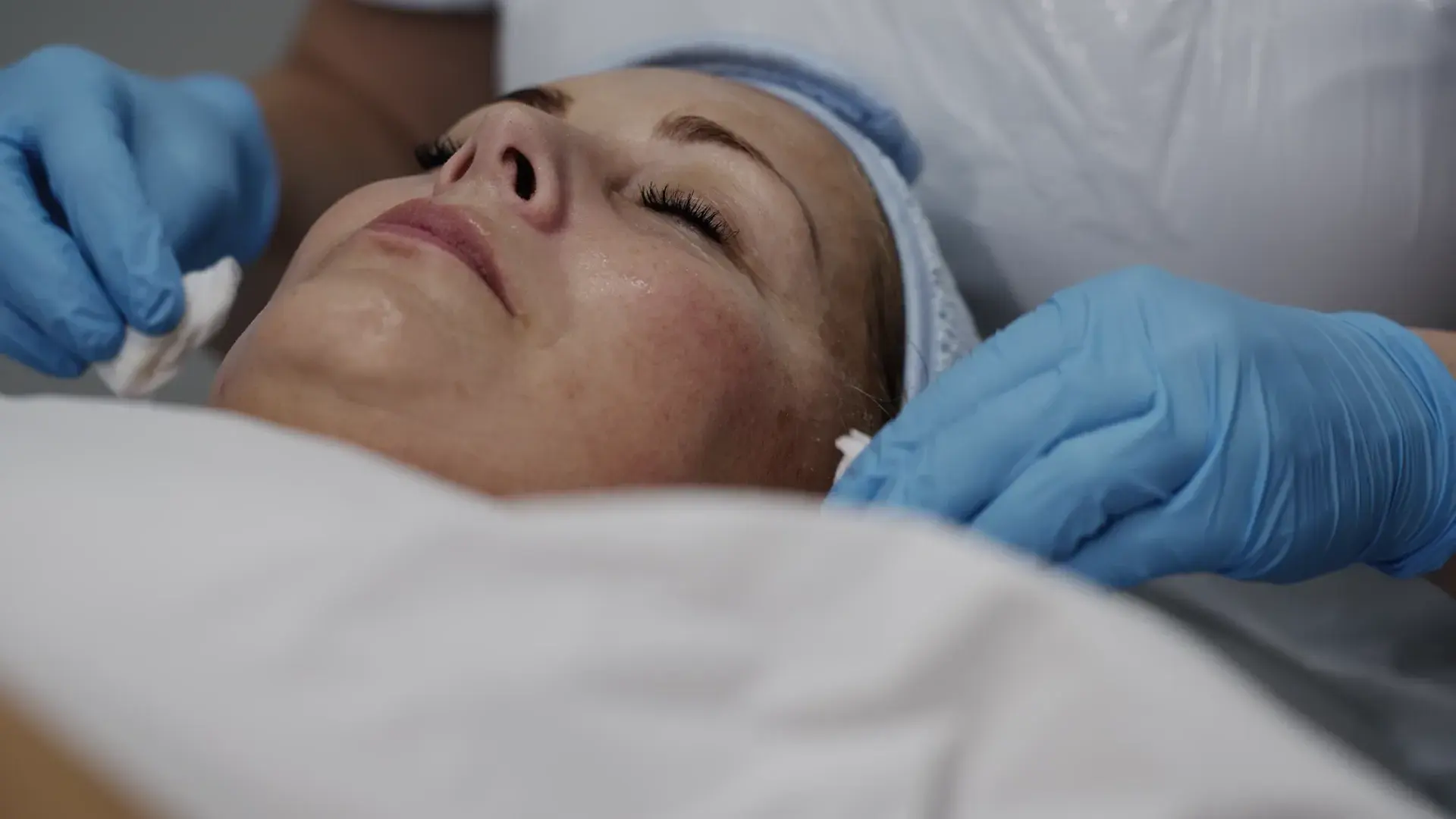
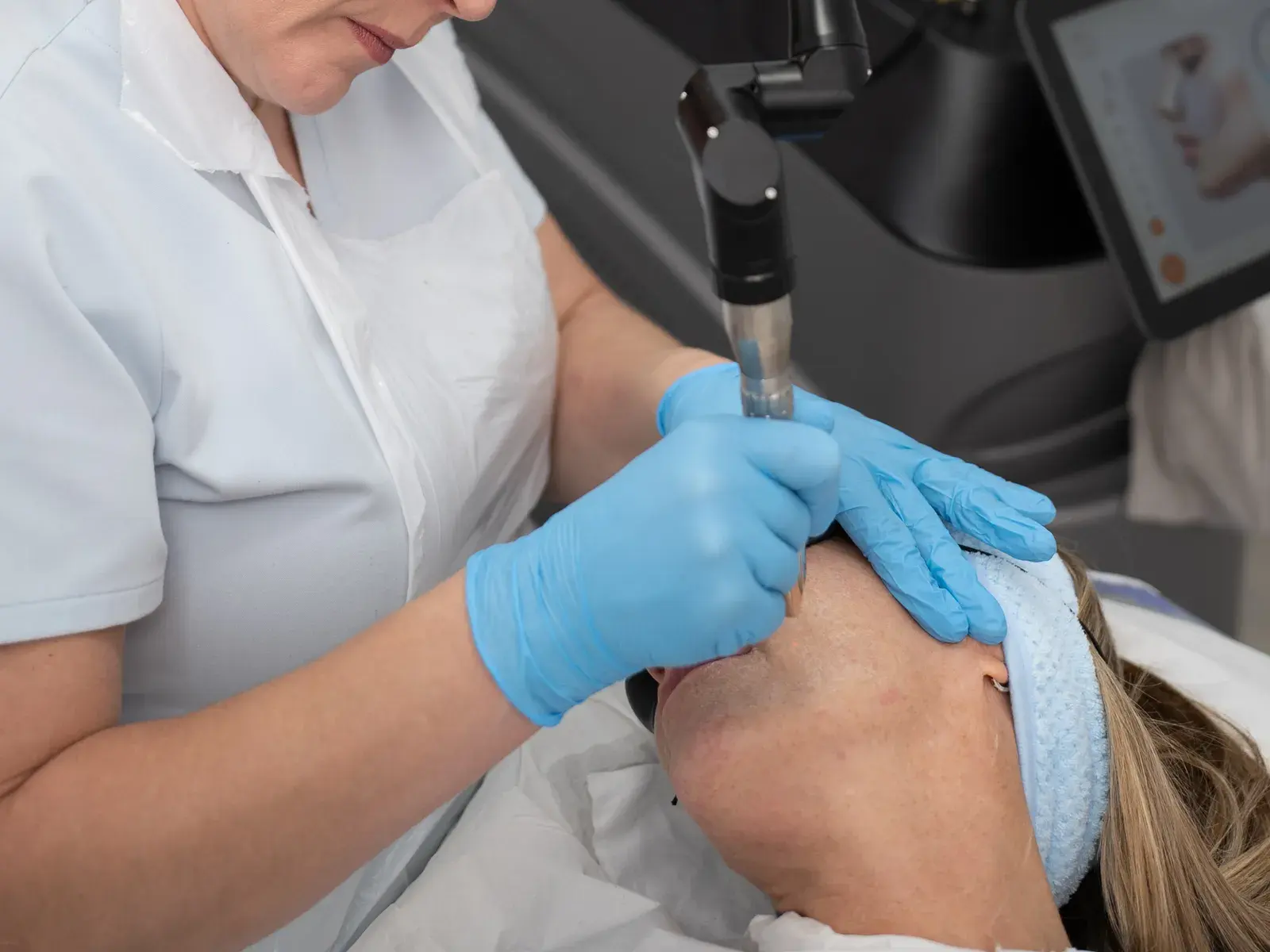
A scar is the mark left when skin heals after an injury, surgery, a burn or a skin condition. Scars can be flat, raised or sunken, and they change over time. At Naomi Waite Aesthetics in Lancaster, options such as laser resurfacing, RF microneedling, microneedling and a PRP facial may improve their appearance, after an assessment.
What are scars?
A scar is the skin's way of repairing itself after its deeper layers have been damaged. The new tissue is made mostly of collagen, but it is laid down differently from the surrounding skin, so a scar can look and feel different in colour, texture and flexibility.
Scars vary a great deal. Some are flat and pale and fade to a fine line. Others are raised, known as hypertrophic scars, or sunken, where tissue has been lost. Keloid scars are a type of raised scar that grows beyond the edges of the original wound, and they need careful assessment, as not every treatment is suitable for them.
This page covers scarring more generally, including scars from surgery, cuts, burns and conditions such as chickenpox. If your scarring is from acne, the clinic's acne scarring page goes into more detail. Any scar that is painful, growing or changing should be checked by your GP.
What causes scars?
Any injury that reaches below the top layer of the skin can leave a scar, but how a scar looks depends on more than the injury itself. The depth and size of the wound, where it is on the body, how much the skin is stretched in that area, whether the wound became infected and how it healed can all play a part. Genetics, age and skin type also affect how your skin scars.
Scars keep changing for some time after a wound has closed, often becoming flatter and paler. For this reason, your practitioner may advise waiting until a scar has settled before starting certain treatments, and will talk you through the timing at consultation.
Common causes of scarring include:
- Surgery, including caesarean sections and other operations
- Cuts, grazes and accidents
- Burns
- Skin conditions such as chickenpox and acne
- Piercings and other procedures that break the skin
Related treatments
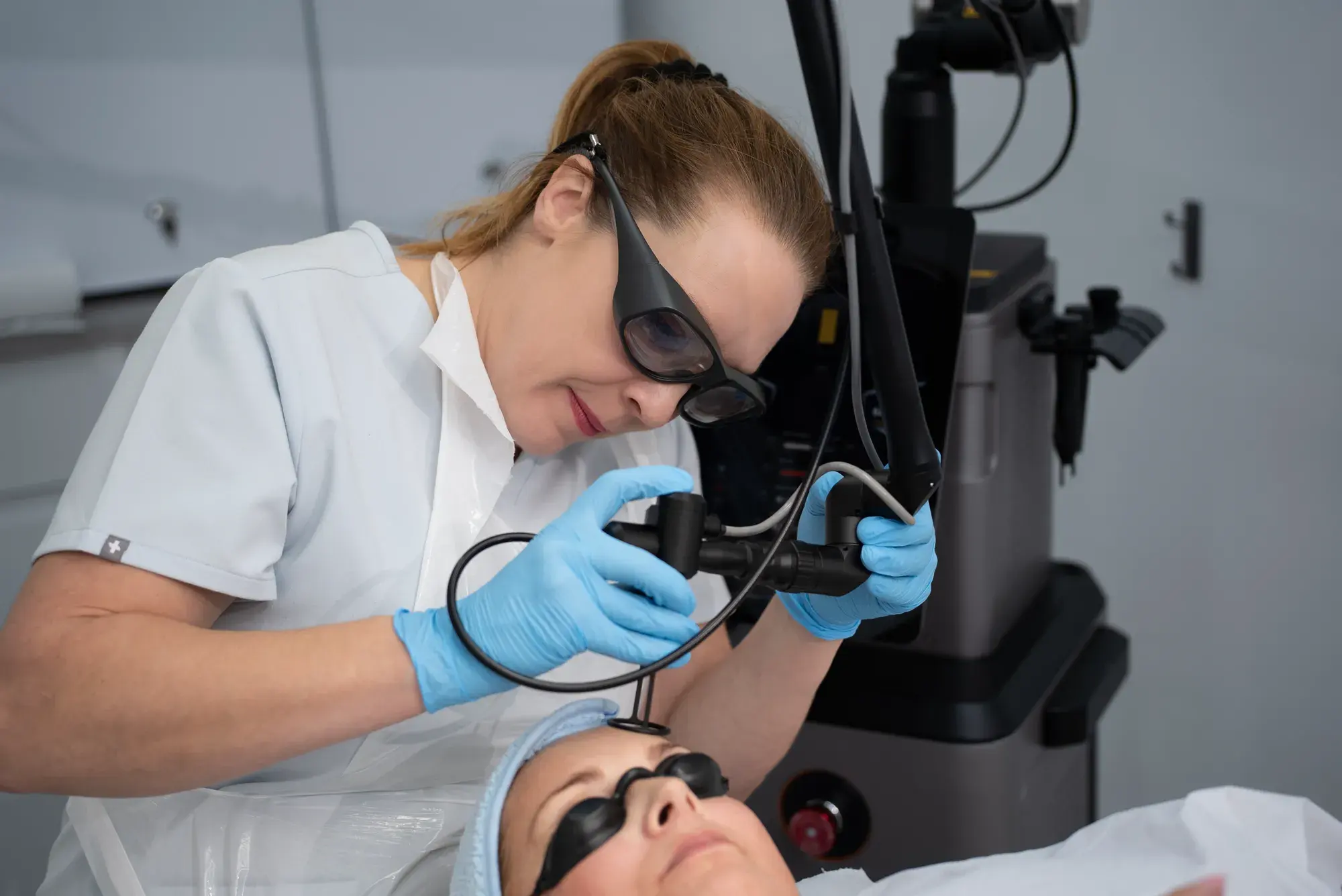 CO2 Fractional LaserCO2 fractional laser is an ablative resurfacing treatment that works on tiny columns of skin at a time, prompting the skin to repair itself and remodel collagen. At Naomi Waite Aesthetics in Lancaster it is used for concerns such as fine lines, acne scarring, uneven texture, enlarged pores and sun-related ageing, following a consultation.Find out more
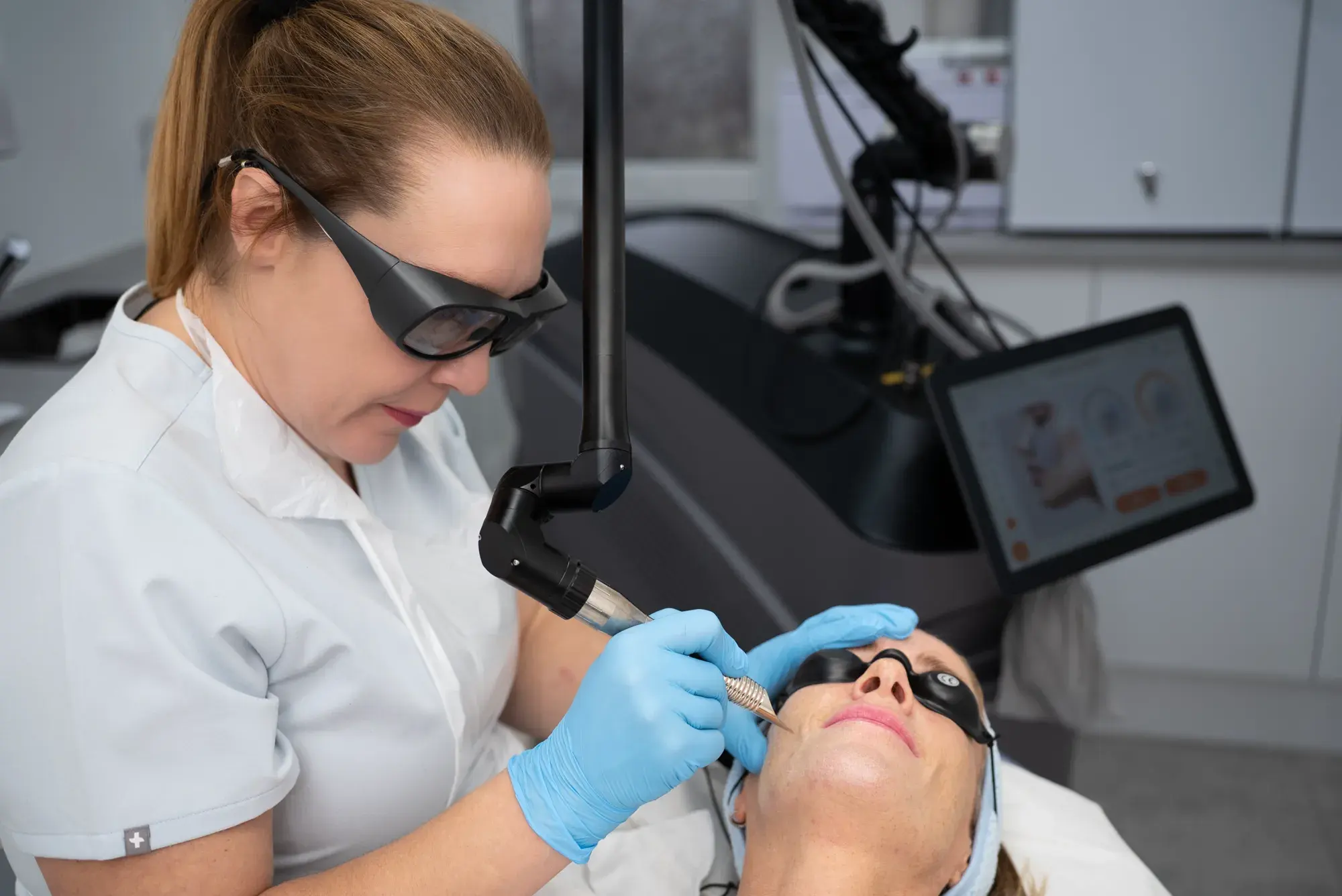 Er:YAG 2940 LaserEr:YAG 2940 laser, often called erbium laser, is an ablative resurfacing treatment. Its 2940 nm wavelength is strongly absorbed by water in the skin, which allows precise resurfacing. At Naomi Waite Aesthetics in Lancaster it is used for uneven texture, fine lines, sun-related ageing, enlarged pores and selected scarring, following a consultation.Find out more
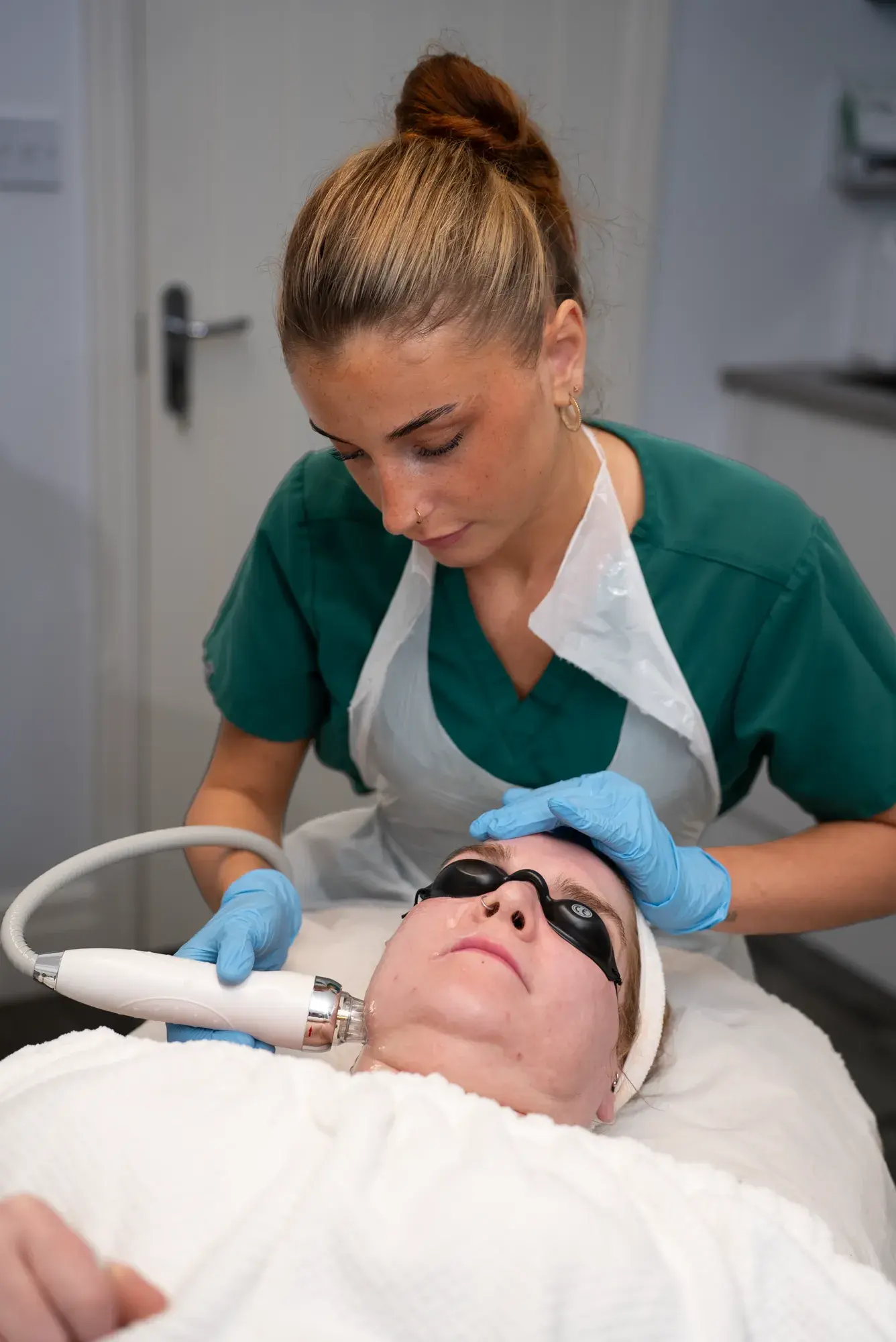 RF MicroneedlingRF microneedling combines fine needles with radiofrequency energy delivered at controlled depths, giving the skin both a mechanical and a thermal stimulus for collagen remodelling. At Naomi Waite Aesthetics in Lancaster it is used for acne scars, enlarged pores, texture, crepey skin, stretch marks and scars on the face and body, following a consultation.Find out more
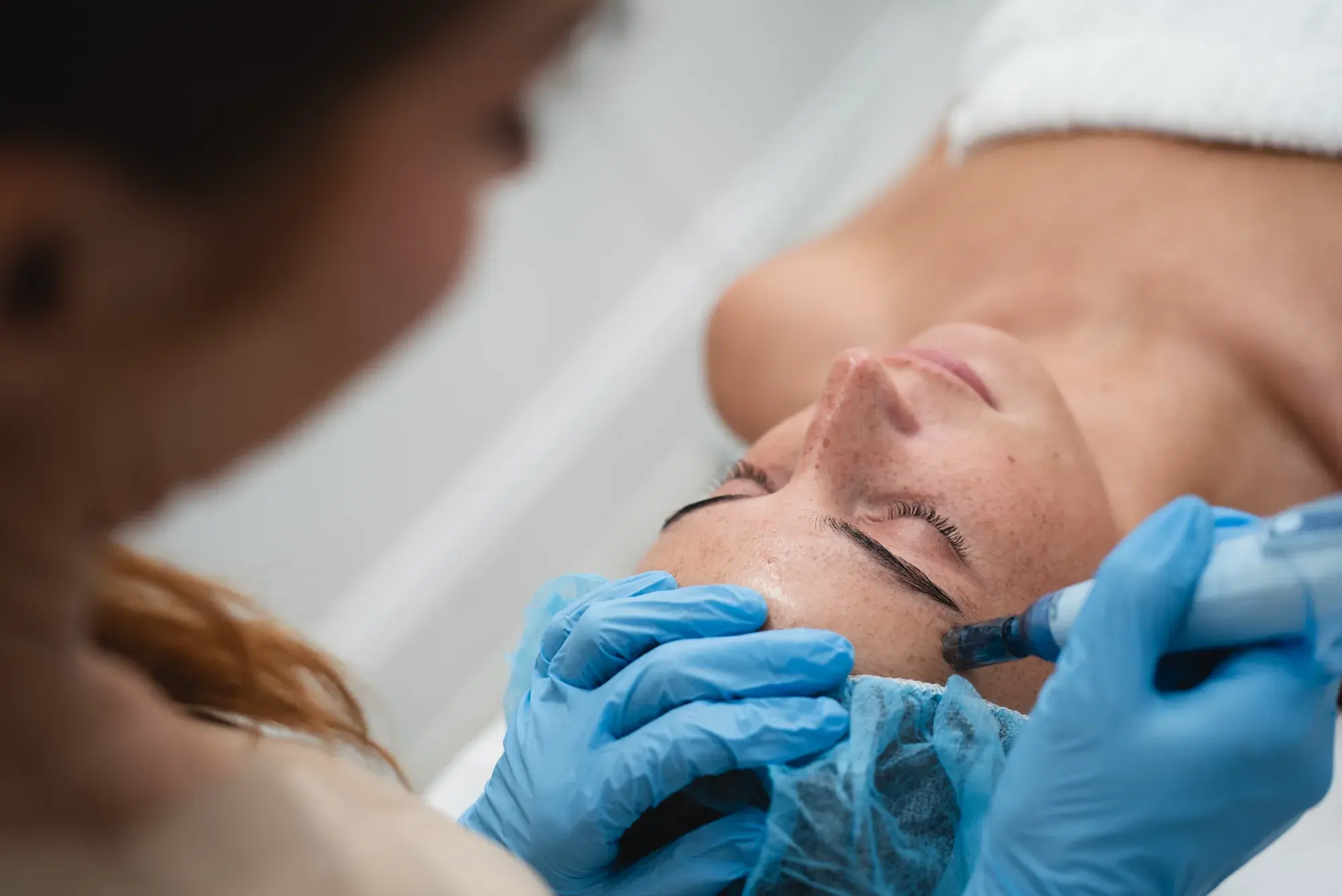 MicroneedlingMicroneedling, also called collagen induction therapy, uses fine needles to create controlled micro-injuries in the skin, prompting its natural wound-healing and remodelling response. At Naomi Waite Aesthetics in Lancaster it is considered for skin texture, enlarged pores, fine lines, selected scarring and stretch marks, following a consultation.Find out more
 PRP FacialA PRP facial uses platelet-rich plasma prepared from a small sample of your own blood. The plasma is applied to the skin during microneedling and may also be injected with a fine needle, to support the skin's natural repair processes. At Naomi Waite Aesthetics in Lancaster it is considered for fine lines and scars, following a consultation.Find out more
How three options for scars differ
| Feature | RF Microneedling | Microneedling | PRP Facial |
|---|---|---|---|
| What it uses | Fine needles with radiofrequency energy | Fine needles, with no radiofrequency energy | Platelet-rich plasma prepared from a small sample of your own blood |
| How it aims to help | A mechanical and thermal stimulus for collagen remodelling | Controlled micro-injuries that prompt the skin's wound-healing and remodelling response | Applied during microneedling, and may also be injected, to support the skin's natural repair |
| Also considered for | Acne scars, enlarged pores, texture and stretch marks | Texture, enlarged pores, fine lines and stretch marks | Fine lines |
Frequently asked questions
Scars form when an injury, surgery, burn or skin condition damages the deeper layers of the skin, and the body repairs it with collagen that is laid down differently from normal skin. The depth of the wound, its location, how it healed, genetics and skin type all affect how a scar looks.
There is no single best treatment, because scars differ so much in type, age and location. CO2 and Er:YAG laser resurfacing, RF microneedling, microneedling and PRP each have a different role. Your practitioner will recommend a route after assessing your scar at consultation.
This depends on the type, size and age of your scar and the treatment chosen, so a fixed number cannot be given in advance. Scar treatment is usually planned as a programme rather than a single visit. Your practitioner will explain a suggested plan at consultation.
Laser and needle-based treatments can be uncomfortable, and the sensation varies with the treatment and the area. Your practitioner will explain what to expect and how your comfort will be looked after during treatment.
Downtime varies between treatments. Ablative resurfacing lasers generally need more recovery time than gentler options. Your practitioner will explain what to expect and give you clear aftercare advice before you go ahead.
A scar is a lasting change in the skin, so treatment aims to improve its appearance rather than remove it. Raised scars, particularly keloids, can sometimes return or grow, which is why they need careful assessment. Your practitioner will explain realistic expectations for your scar at consultation.
Suitability depends on your skin type, the type of scar and your medical history, and some scars, such as keloids, may not be suitable for every treatment. Your practitioner will check all of this at consultation before recommending anything.
The cost depends on the treatment you choose and whether you have a single session or a course. Current prices are listed on the clinic's prices page, and your practitioner will confirm the cost of your personalised plan for scarring at consultation.
Book Your Free Consultation
Tell us your goals. We'll tell you exactly what's possible and build a plan to get you there.