
Stretch Marks
Stretch marks are completely natural, and many people choose to leave them alone. If you would like them to look less noticeable, here is what the clinic can offer.
Quick answer
Stretch marks are lines or streaks that appear when the skin is stretched quickly, for example during pregnancy, growth spurts or weight change. They often start red or purple and fade to paler, silvery lines. At Naomi Waite Aesthetics in Lancaster, RF microneedling, microneedling and laser resurfacing may improve their appearance, after a consultation.
What are stretch marks?
Stretch marks, also known as striae, are narrow lines or streaks on the skin. They form when the deeper layer of the skin is stretched faster than it can adapt and the supporting fibres within it are disrupted. They are a form of scarring, and they are very common in people of all genders and body types.
New stretch marks are often red, pink, purple or dark brown, depending on your skin tone, and may feel slightly raised or itchy. Over time they usually fade to paler, silvery or white lines that can feel slightly sunken. They commonly appear on the stomach, hips, thighs, bottom, breasts, upper arms and back.
Stretch marks are not harmful, and treating them is purely a personal choice. Treatment cannot remove them, but their appearance may be improved, and your practitioner will talk honestly about what you can expect at consultation.
What causes stretch marks?
Stretch marks develop when the skin is stretched over a relatively short time. Genetics play a part too, so if close family members have stretch marks, you may be more likely to develop them. Hormones can also affect how easily the skin stretches, which is one reason stretch marks are so often linked with pregnancy and puberty.
If stretch marks appear suddenly without an obvious reason, or alongside other symptoms, it is worth speaking to your GP. Otherwise, your practitioner will look at the age, colour and location of your stretch marks when discussing options, as newer and older marks may respond differently.
Common triggers for stretch marks include:
- Pregnancy, particularly in the later months
- Growth spurts during puberty
- Gaining or losing weight quickly
- Rapid muscle growth, for example from weight training
- Long-term use of corticosteroid medicines
- Some medical conditions that affect the skin or hormones
Related treatments
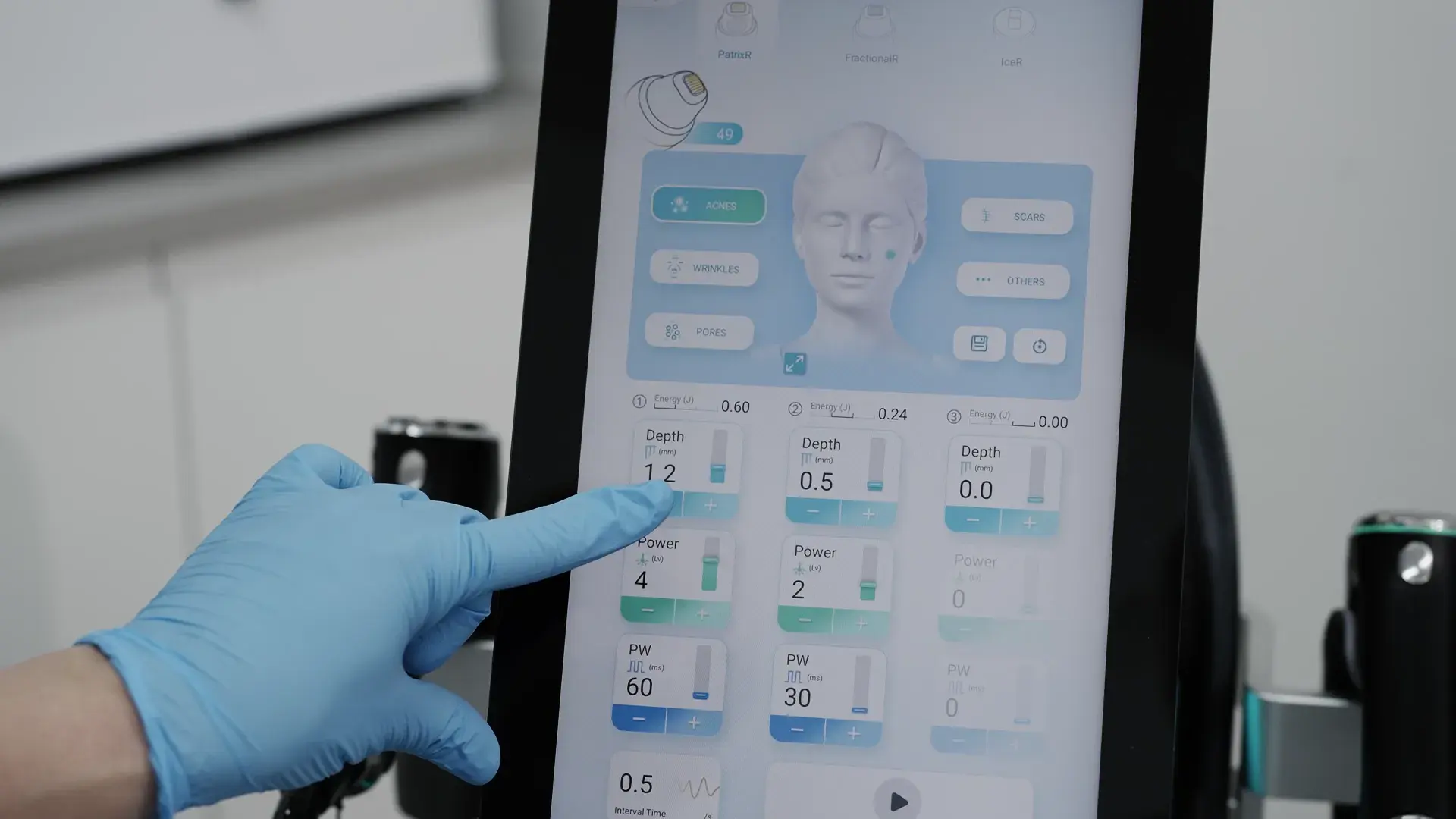
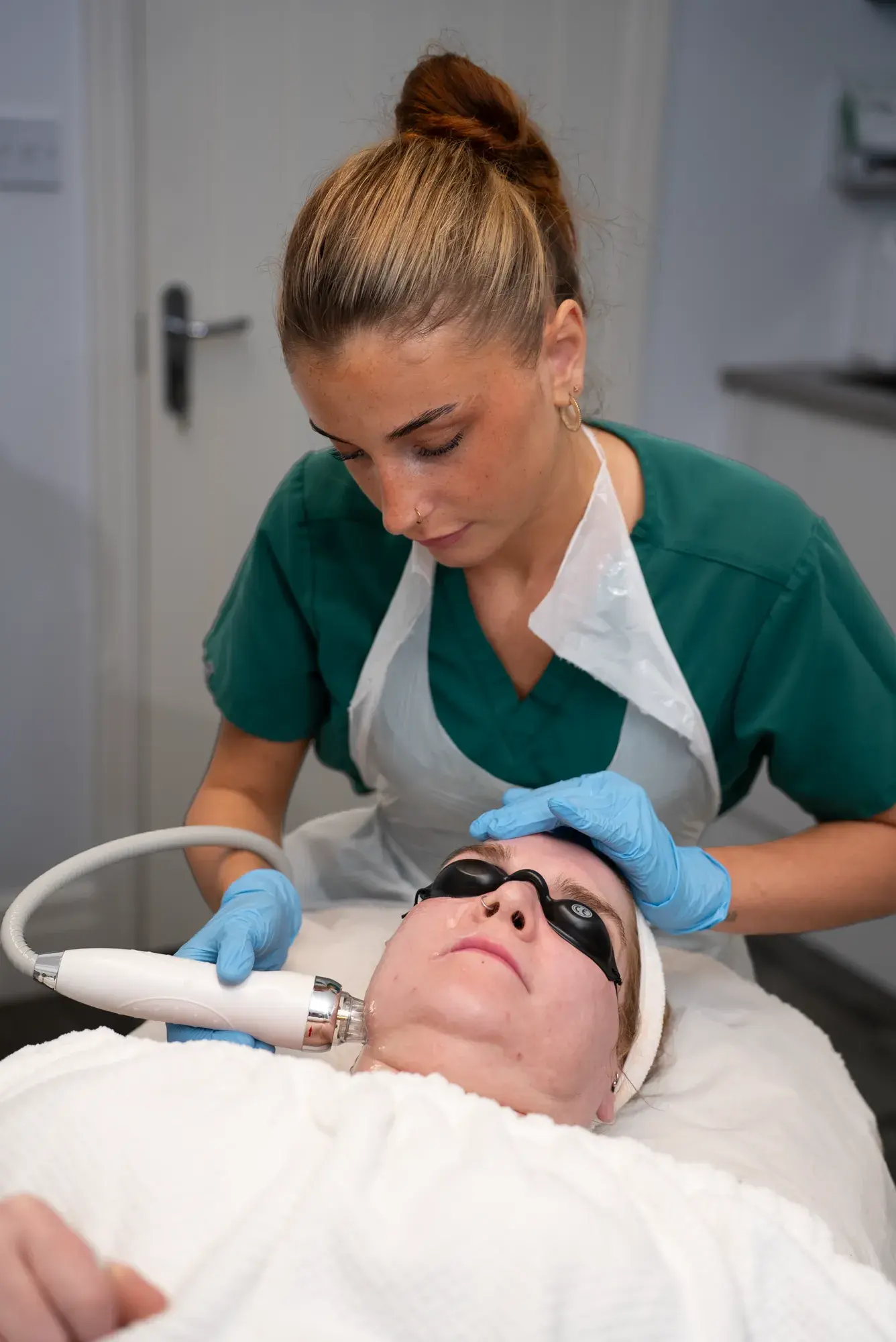 RF MicroneedlingRF microneedling combines fine needles with radiofrequency energy delivered at controlled depths, giving the skin both a mechanical and a thermal stimulus for collagen remodelling. At Naomi Waite Aesthetics in Lancaster it is used for acne scars, enlarged pores, texture, crepey skin, stretch marks and scars on the face and body, following a consultation.Find out more
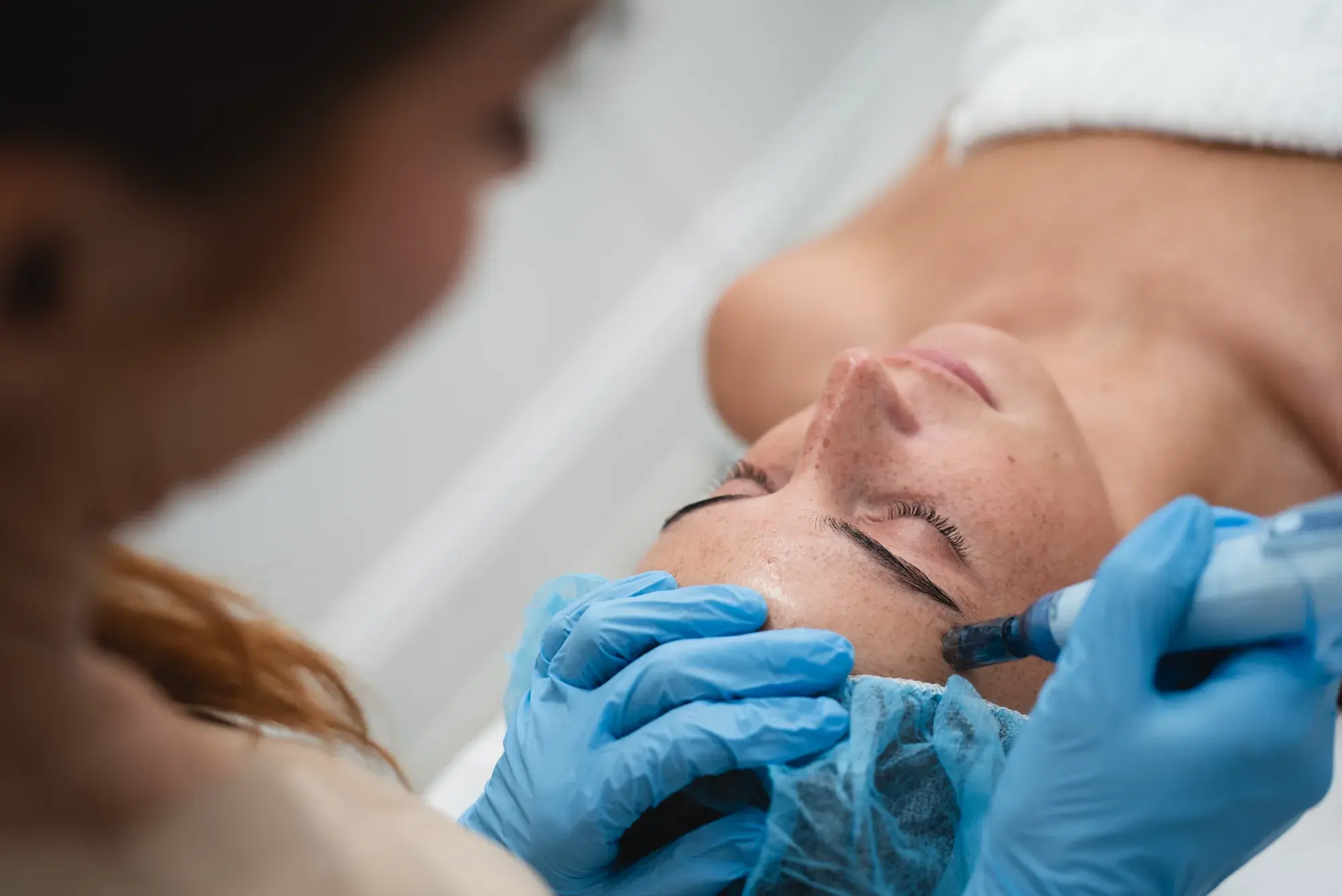 MicroneedlingMicroneedling, also called collagen induction therapy, uses fine needles to create controlled micro-injuries in the skin, prompting its natural wound-healing and remodelling response. At Naomi Waite Aesthetics in Lancaster it is considered for skin texture, enlarged pores, fine lines, selected scarring and stretch marks, following a consultation.Find out more
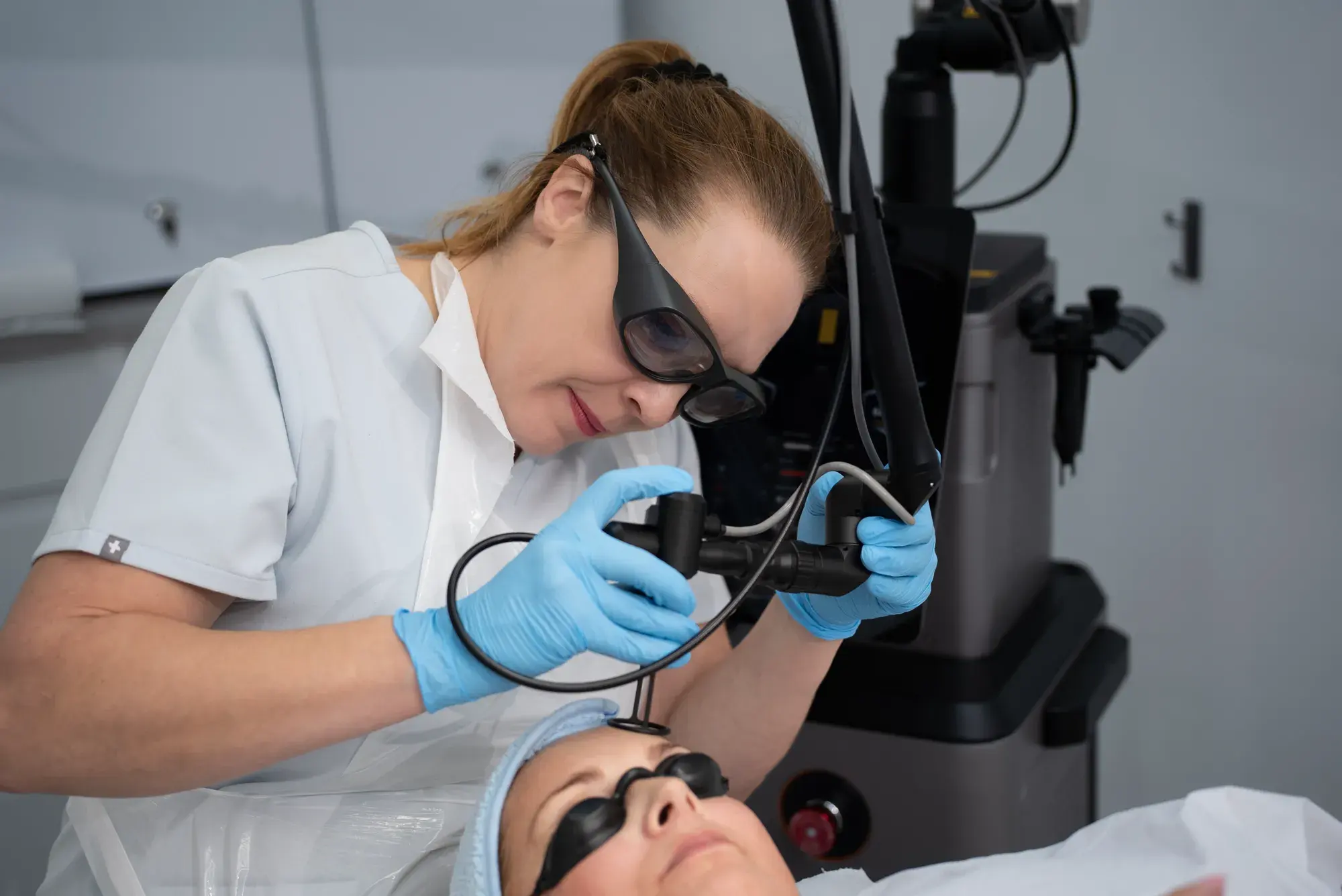 CO2 Fractional LaserCO2 fractional laser is an ablative resurfacing treatment that works on tiny columns of skin at a time, prompting the skin to repair itself and remodel collagen. At Naomi Waite Aesthetics in Lancaster it is used for concerns such as fine lines, acne scarring, uneven texture, enlarged pores and sun-related ageing, following a consultation.Find out more
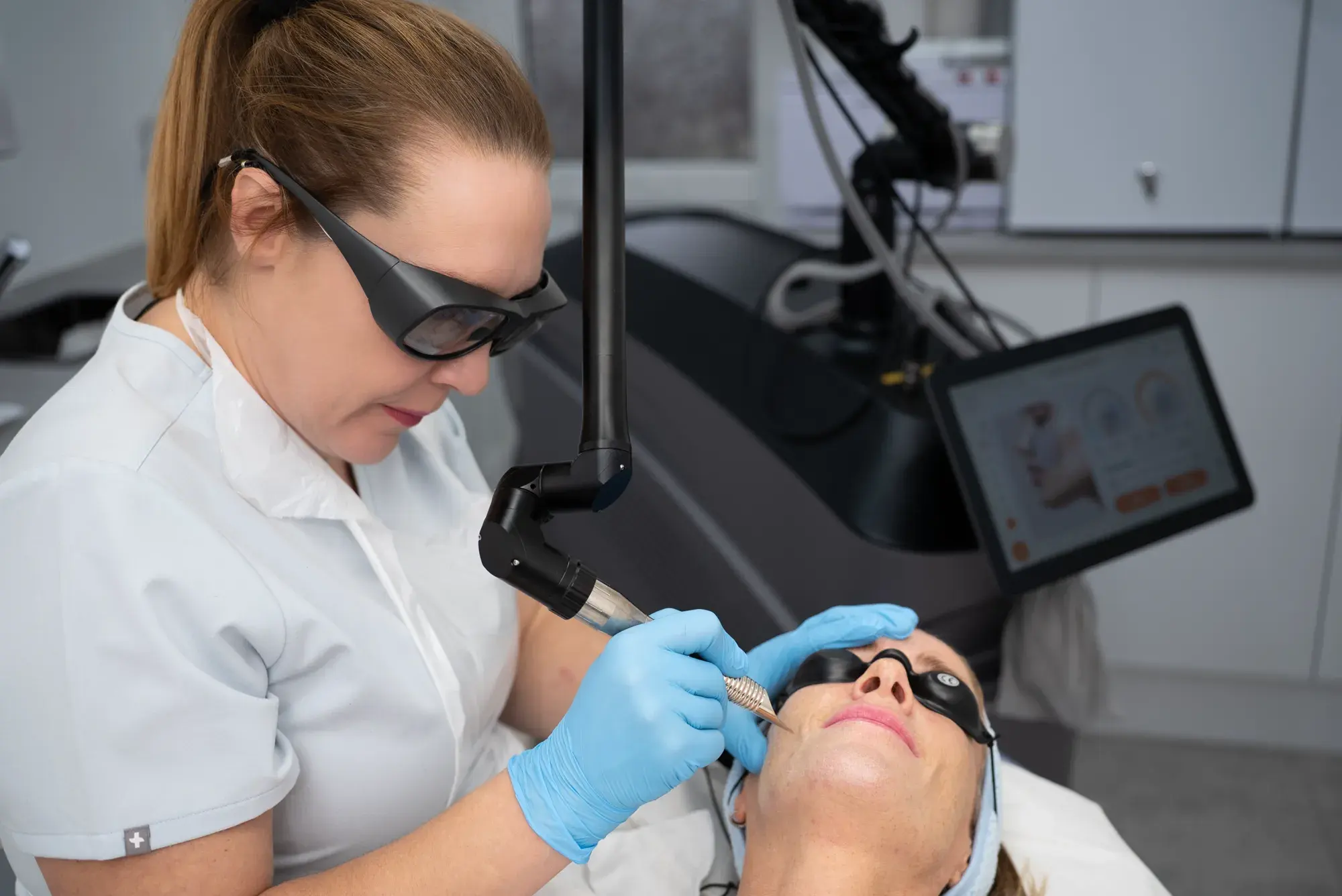 Er:YAG 2940 LaserEr:YAG 2940 laser, often called erbium laser, is an ablative resurfacing treatment. Its 2940 nm wavelength is strongly absorbed by water in the skin, which allows precise resurfacing. At Naomi Waite Aesthetics in Lancaster it is used for uneven texture, fine lines, sun-related ageing, enlarged pores and selected scarring, following a consultation.Find out more
How three options for stretch marks differ
| Feature | RF Microneedling | Microneedling | CO2 Fractional Laser |
|---|---|---|---|
| Type of treatment | Fine needles combined with radiofrequency energy | Fine needles, with no radiofrequency energy | Ablative fractional resurfacing laser |
| How it aims to help | A mechanical and thermal stimulus for collagen remodelling | Controlled micro-injuries that prompt a wound-healing and remodelling response | Treats tiny columns of skin, prompting repair and collagen remodelling |
| Also considered for | Acne scars, enlarged pores, crepey skin and scars | Texture, enlarged pores, fine lines and selected scarring | Fine lines, acne scarring, uneven texture and sun-related ageing |
Frequently asked questions
Stretch marks form when the skin is stretched quickly, for example during pregnancy, puberty, weight change or rapid muscle growth. Genetics, hormones and long-term use of corticosteroid medicines can also play a part.
There is no single best treatment, and none can remove stretch marks completely. RF microneedling, microneedling, CO2 fractional laser and Er:YAG laser each have a different role, and the right choice depends on your skin and the age and colour of your stretch marks. Your practitioner will recommend a route at consultation.
This depends on your skin, your stretch marks and the treatment chosen, so a set number cannot be given in advance. Stretch mark treatment is usually planned as a course rather than a single visit. Your practitioner will explain a suggested plan at consultation.
Needle-based and laser treatments can be uncomfortable, and the sensation varies with the treatment and the area of the body. Your practitioner will explain what to expect and check on your comfort throughout.
Downtime varies between treatments, and ablative resurfacing lasers generally need more recovery time than gentler options. Your practitioner will explain what to expect for your chosen treatment and give you clear aftercare advice.
Treatment does not remove stretch marks, so the aim is to improve how existing marks look. New stretch marks can still form if the skin is stretched quickly again, for example during a future pregnancy or a period of weight change. Your practitioner can talk to you about the best timing for treatment.
Suitability depends on your skin type, the area being treated and your medical history, and treatment is not usually carried out during pregnancy. Your practitioner will check all of this at consultation before recommending anything.
The cost depends on the treatment, the size of the area and the number of sessions in your plan. Current prices are listed on the clinic's prices page, and your practitioner will confirm the cost of your personalised plan at consultation.
Book Your Free Consultation
Tell us your goals. We'll tell you exactly what's possible and build a plan to get you there.