
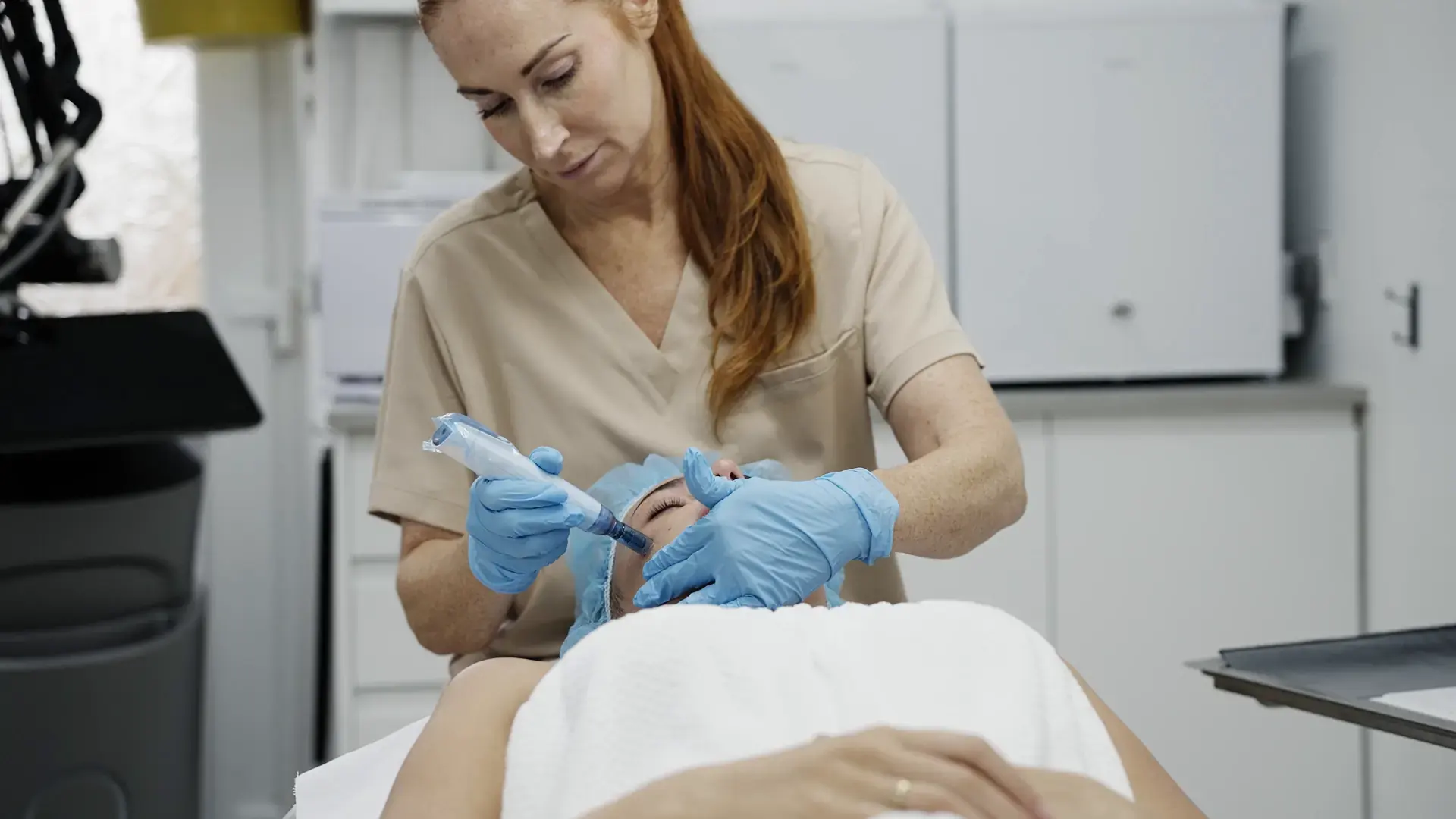
How Microneedling can help with stretch marks
The line, colour and texture of a stretch mark reflect changes in the collagen and elastin fibres beneath the surface, which is why approaches like microneedling work below skin level rather than simply on top of it.
Quick answer
Microneedling uses fine needles to trigger the skin's own repair process, a mechanical, non-heat approach for stretch marks that may support gradual changes in texture and colour over a course. It can suit marks at different stages, from newer red or purple lines to older silvery ones, though it cannot remove stretch marks and results vary between people.
How Microneedling works on stretch marks
Because microneedling works purely mechanically, through the controlled micro-injury the needles create, it gives the skin a straightforward prompt to remodel without adding heat or light-based energy. For stretch marks, that can make it a comparatively gentle way to encourage change in the collagen and elastin around the mark, particularly where someone would rather avoid a thermal element.
It's used on the body areas most commonly affected by stretch marks, such as the abdomen, thighs, hips, bust and upper arms, and the approach is the same needling technique regardless of where the marks sit, with the plan adjusted to the area and the marks themselves.
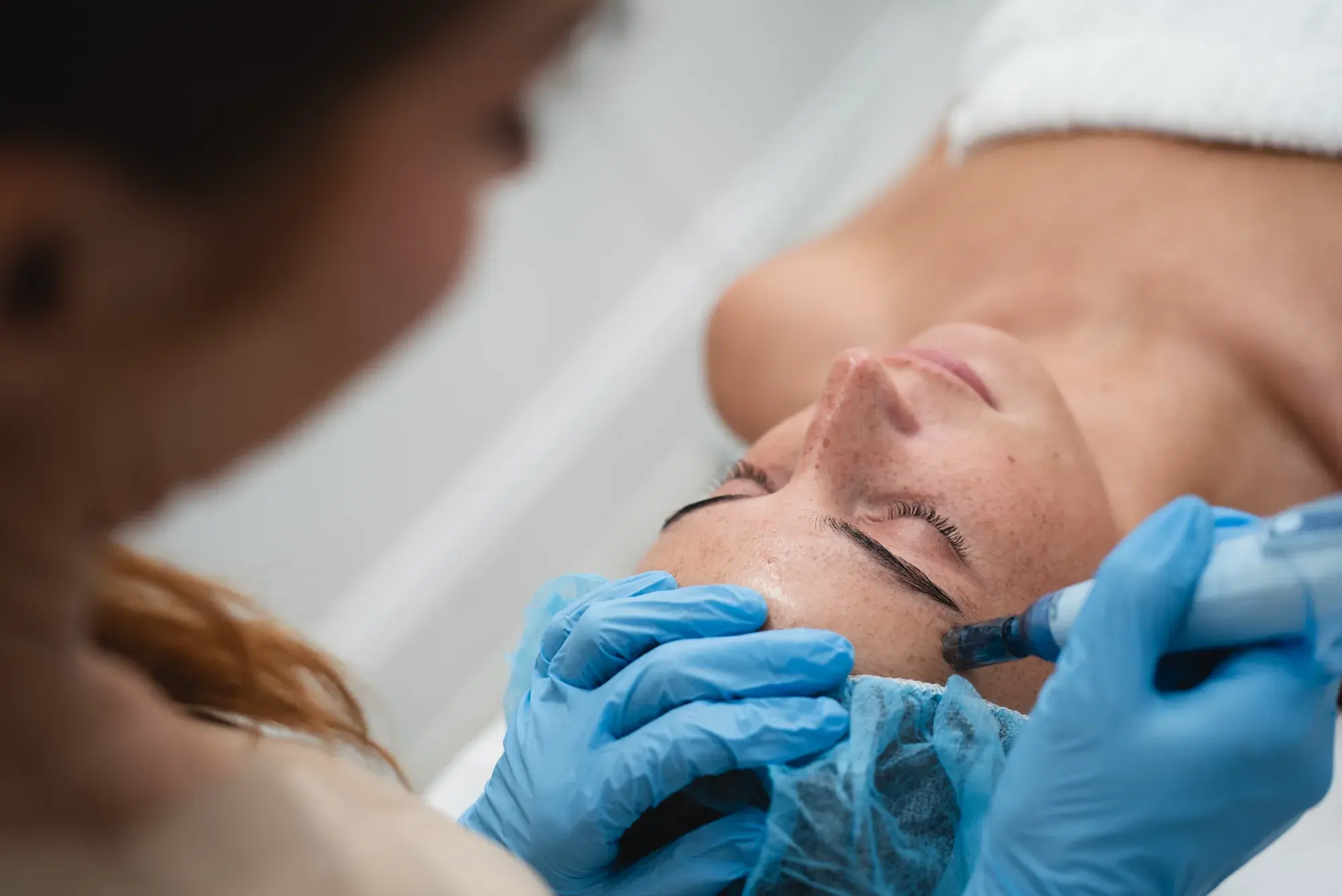
Who Microneedling suits for stretch marks (and when another option may fit better)
Microneedling is often the option people start with when they want to address stretch marks without radiofrequency or laser energy involved, and it can be considered for marks across a range of ages and colours. It's a reasonable starting point for many people, with your practitioner confirming suitability for your particular skin and marks.
It may not be the first choice for everyone, though. Some people with more established, textured marks are guided toward RF microneedling for the added thermal stimulus, or toward a resurfacing laser if texture is the main concern. Which route fits best is a conversation for consultation, not something to self-select from a webpage.
What a course looks like at Naomi Waite Aesthetics
As with any stretch-mark treatment, a microneedling course is built around your marks rather than a standard template: their location, age and colour, and your skin's own response as sessions progress. Your practitioner will talk through a realistic plan and adjust it as needed rather than commit you to a fixed number of sessions upfront.
Because stretch marks are often spread across a wider area of the body than many facial concerns, your practitioner will explain how sessions are paced for the area you're treating and what a sensible interval between them looks like for your skin.
Microneedling compared with other options for stretch marks
Microneedling sits alongside RF microneedling and resurfacing lasers as an option for stretch marks; the table below highlights the main difference in approach between microneedling and RF microneedling specifically.
Aftercare after Microneedling for stretch marks
Stretch marks often sit in areas prone to friction and stretching, such as under waistbands or where clothing sits close to the skin, so loose-fitting clothing over the treated area in the days after treatment tends to be more comfortable. Sun protection on treated body skin matters too, since newly stimulated skin can be more reactive to UV exposure.
Your practitioner will give you aftercare guidance specific to the area and your skin at your appointment. General good sense, keeping the area clean, avoiding harsh actives on it and not picking at the skin, applies, but always follow the personalised advice you're given over generic guidance.
Frequently asked questions
Some of the questions clients most often ask about microneedling for stretch marks are answered below; anything specific to your skin is best discussed at consultation.
Related guides
To understand the marks themselves and see the other treatment routes available, visit our stretch marks hub and the pages linked below.
Book a consultation
To find out whether microneedling is a good fit for your stretch marks, book a consultation with Naomi Waite Aesthetics.
Microneedling and RF microneedling both prompt the skin to remodel around a stretch mark, but only one adds radiofrequency heat to the needling. Neither is inherently 'better'; the right fit depends on your marks and preferences.
| Aspect | Microneedling | RF Microneedling |
|---|---|---|
| Mechanism | Fine needles create controlled micro-injury; mechanical stimulus only | Fine needles plus radiofrequency energy, adding a thermal stimulus |
| Often considered for | A starting point, or where avoiding heat/light energy matters | More established marks, or where a combined mechanical and thermal approach is of interest |
| Decided at | Consultation, based on your marks and skin | Consultation, based on your marks and skin |
Frequently asked questions
Microneedling is used to prompt the skin's own remodelling process in and around stretch marks, which may help their appearance become less noticeable over time. It doesn't remove stretch marks, and the degree of change varies from person to person, so your practitioner will discuss realistic expectations at consultation.
There's no set number that applies to every mark or every person; it depends on your stretch marks and how your skin responds as treatment goes on. Your practitioner will put together a plan for your marks specifically and review it with you at each stage.
This is checked individually rather than assumed, taking your skin, your marks and your medical history into account. A consultation is the right place to confirm suitability before anything is planned.
This varies between people and by the area being treated, and your practitioner can talk you through what to expect and any comfort measures available before your session. It's best discussed directly with the clinic rather than generalised here.
Skin remodelling happens gradually and timelines differ between people and marks, so we can't quote a fixed number of weeks. Your practitioner will give you a realistic sense of what to expect for your skin during your consultation and course.
Neither is universally better; microneedling works mechanically alone, while RF microneedling adds radiofrequency heat to that same needling action. Which suits you better depends on your marks and whether you'd prefer to avoid a thermal element, and that's exactly what consultation is for.
Book Your Free Consultation
Tell us your goals. We'll tell you exactly what's possible and build a plan to get you there.